

Seasoning is not something you fix at the end. It is a sequence of decisions made throughout cooking. Food tastes flat when seasoning is rushed, uneven, or added without understanding timing. This guide breaks seasoning into clear stages, so flavor builds naturally, evenly, and with purpose.
Understand What Seasoning Does to Food
Seasoning changes how food tastes, smells, and feels on the palate. Each element plays a specific role.
- Salt enhances existing flavors, reduces bitterness, and makes aromas more noticeable. It does not only add saltiness.
- Fat carries seasoning across the tongue and softens sharp flavors.
- Acid lifts heavy dishes and brings clarity when food tastes dull.
- Spices and herbs add aroma and complexity rather than basic taste.
When food tastes bland, the issue is usually imbalance between these elements, not the absence of seasoning.
Season in Layers, Not in One Step
Strong flavor is built gradually, not dumped in at the end.
Early Seasoning
Early seasoning builds the foundation of flavor.
- Salt proteins before cooking so seasoning penetrates as heat tightens the structure.
- Season vegetables when they first hit the pan so moisture draws seasoning inward.
- Add aromatics like onion, garlic, or ginger early so fat absorbs and spreads their flavor.
Skipping early seasoning forces overcorrection later.
Mid-Cooking Adjustments
As food cooks, volume changes and flavors concentrate.
- Taste after liquids reduce or ingredients soften.
- Adjust salt lightly if volume has changed.
- Bloom spices at this stage if the dish uses them.
This step keeps flavor balanced as the dish evolves.
Final Seasoning
Final seasoning fine-tunes, it does not rescue.
- Add acid gradually to brighten flavor.
- Adjust salt only if the dish still feels muted.
- Finish with fresh herbs for aroma, not bulk flavor.
Use Salt Correctly From the Start
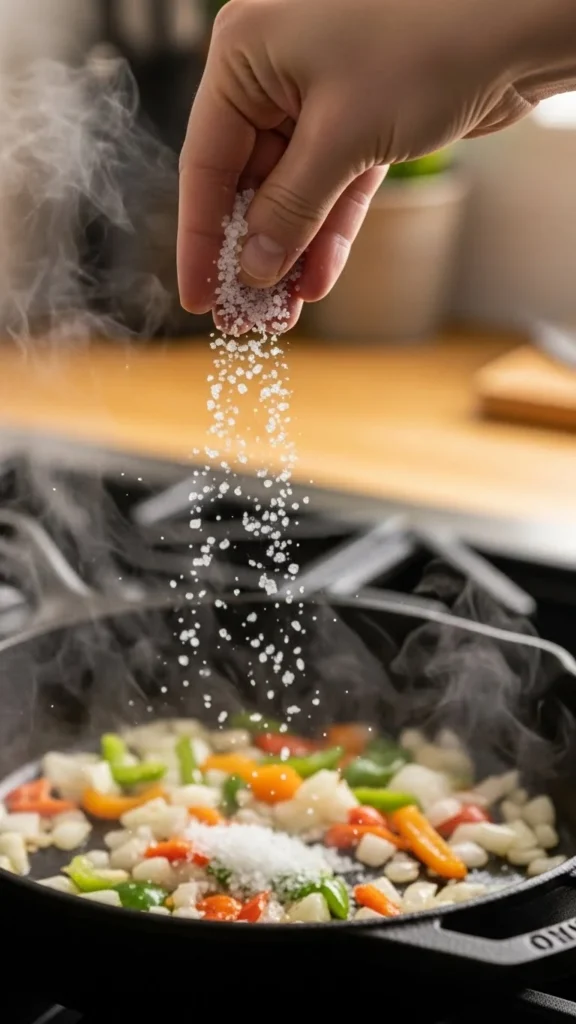
Salt should be applied deliberately, not reactively.
- Use kosher salt for better control and even distribution.
- Season from a slight height so salt spreads instead of clumping.
- Add salt in stages rather than all at once.
Salt added early dissolves into food and builds depth. Salt added late sits on the surface and tastes sharp. If food tastes salty but dull, the problem is usually missing acid or fat, not lack of salt.
Bloom Spices to Unlock Their Full Flavor
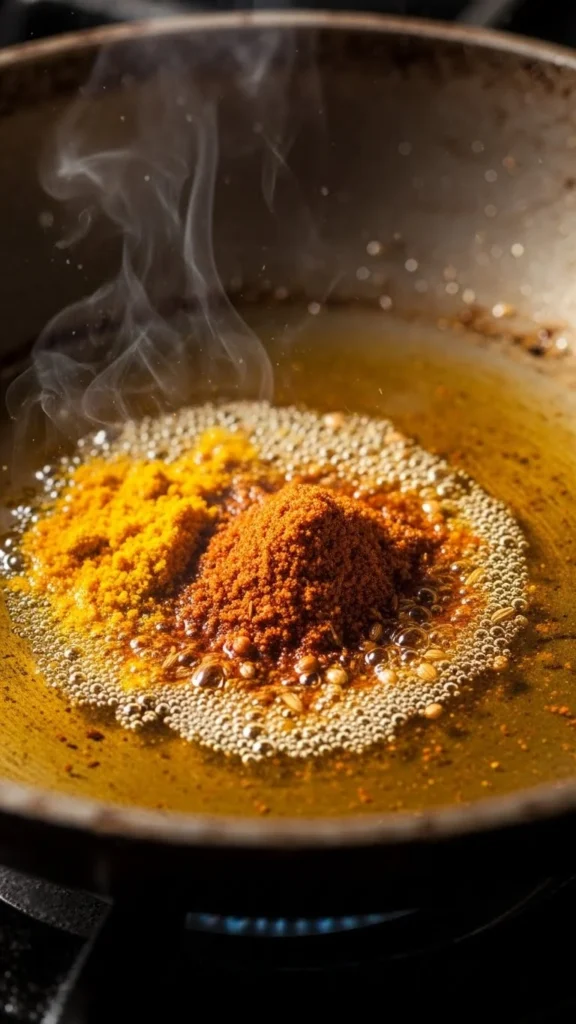
Spices release aroma when warmed in fat.
- Heat oil or butter gently before adding spices.
- Add ground spices before liquid ingredients.
- Stir continuously for 20 to 30 seconds.
- Move forward as soon as the aroma becomes noticeable.
If spices darken or smell bitter, heat is too high and flavor will suffer.
Add Acid to Balance, Not Replace Salt
Acid corrects heaviness and wakes up flavor.
- Always adjust salt before adding acid.
- Add acid in small amounts and taste after each addition.
- Stop when the flavor feels brighter, not sour.
Common acids include lemon juice, vinegar, yogurt, or wine reductions. Acid should clarify flavor, not dominate it.
Use Umami for Depth Without More Salt
Umami adds savory fullness without increasing saltiness.
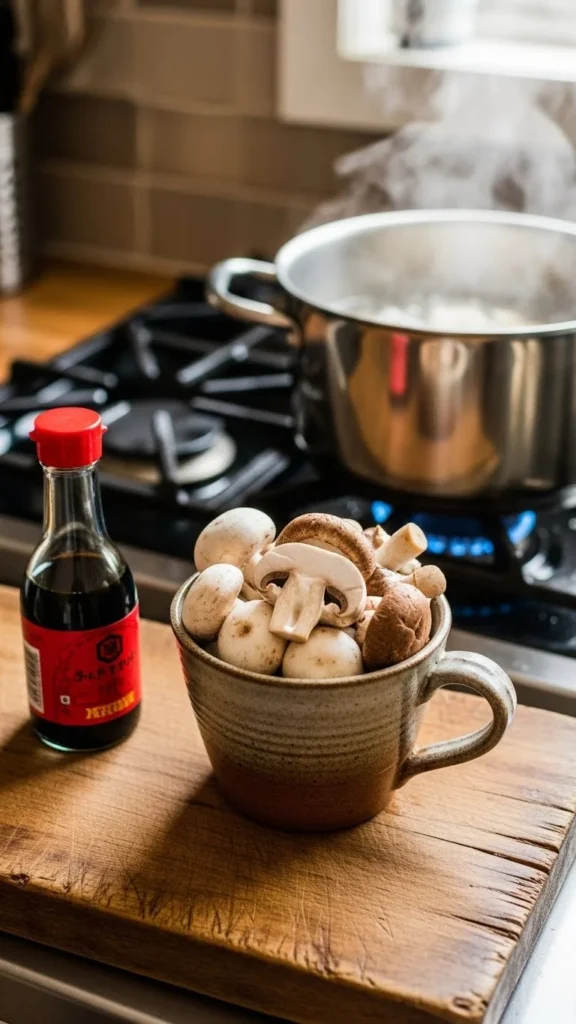
- Mushrooms add depth to sauces and stews.
- Soy sauce or miso provides salt and umami together.
- Anchovy paste or parmesan rinds add background savoriness.
Use small amounts so umami supports flavor rather than announcing itself.
Time Herbs Based on Their Structure
Herbs behave differently depending on their toughness.
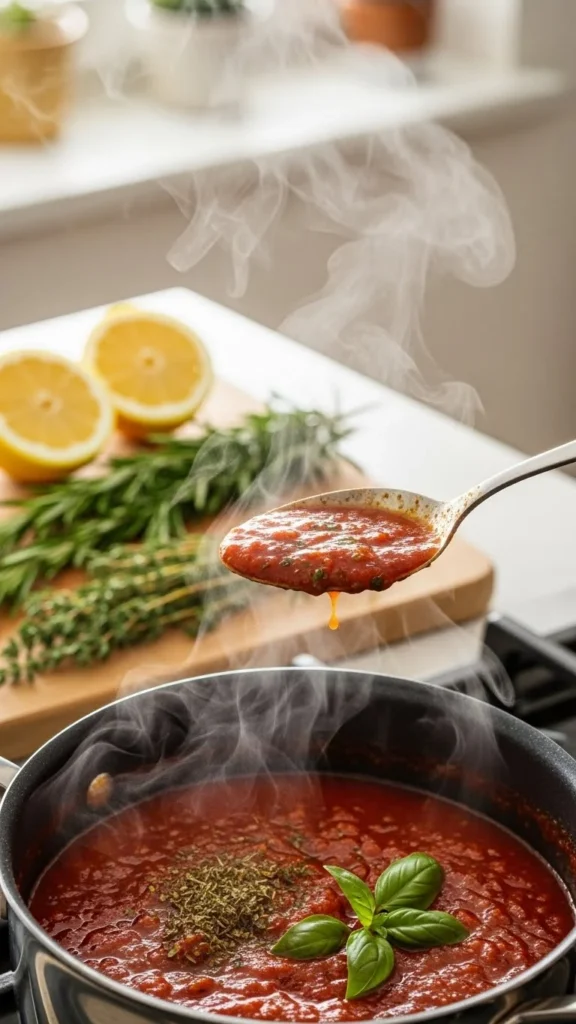
- Woody herbs like rosemary, thyme, and bay leaf should be added early so they infuse slowly.
- Tender herbs like parsley, basil, and cilantro should be added at the end to preserve aroma.
Adding all herbs at once either dulls flavor or creates bitterness.
Taste Intentionally While Cooking
Tasting is part of seasoning, not an optional habit.
- Taste when food is hot to judge true seasoning.
- Taste again after resting, as flavors shift.
- Taste after adding acid to confirm balance.
Cold food tastes less seasoned than hot food, so final adjustments should always be made warm.
Match Seasoning to the Cuisine Properly
Seasoning works best when it follows the logic of the cuisine rather than random combinations.
Italian-Style Seasoning
- Salt early to bring out natural ingredients.
- Build flavor with olive oil, garlic, onion, and tomatoes.
- Use acidity from tomatoes or wine instead of excess salt.
- Finish with fresh herbs and cheese for umami.
The goal is clarity and balance, not spice overload.
Asian-Style Seasoning
- Use soy sauce, fish sauce, or miso as seasoning bases.
- Balance saltiness with sugar and acid.
- Add sauces gradually and taste frequently.
- Finish with vinegar or citrus for sharpness.
Small adjustments make a large difference here.
Indian-Style Seasoning
- Bloom whole spices in fat at the beginning.
- Add ground spices in stages to prevent burning.
- Salt early and adjust later.
- Balance richness with yogurt, tomatoes, or tamarind.
Dumping all spices at once flattens flavor and causes bitterness.
Mexican-Style Seasoning
- Toast dried chiles to deepen flavor.
- Season beans and proteins early.
- Use lime juice at the end for brightness.
- Let chiles lead, salt should support them.
Correct Seasoning Mistakes Calmly
Mistakes are easier to fix when handled slowly.
- If food is too salty, add unsalted liquid or fat.
- If food tastes sharp, add a small pinch of sugar or more fat.
- Make adjustments gradually and taste after each change.
Final Takeaway
Seasoning properly is about timing, balance, and restraint. Build flavor early, adjust gently as food cooks, and finish with brightness instead of more salt. When seasoning becomes a process instead of a reaction, food develops depth naturally.
Save this guide and apply it to every dish you cook.

Leave a Reply