

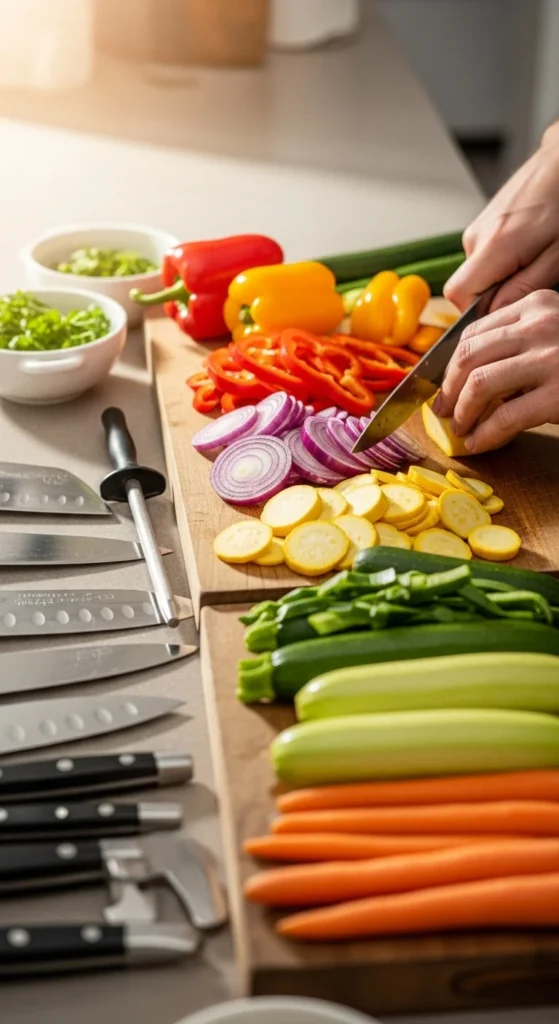
Cutting vegetables isn’t just about making them look pretty, it affects how they cook, how they taste, and how enjoyable your dishes turn out. Whether you’re meal-prepping for the week or trying to improve your knife skills, learning to cut vegetables perfectly every time is a game-changer. With the right techniques and a little practice, you can chop, slice, and dice like a pro. Let’s break it down step-by-step.
Choose the Right Knife for the Job
Different cuts need different tools. Using the right knife makes cutting easier, safer, and way more precise.
Essential Knives to Have:
- Chef’s knife – Your go-to for almost everything: carrots, onions, peppers, potatoes.
- Paring knife – Great for small, delicate tasks like trimming stems or peeling.
- Serrated knife – Perfect for tomatoes, bread, or anything with a tough outside and soft inside.
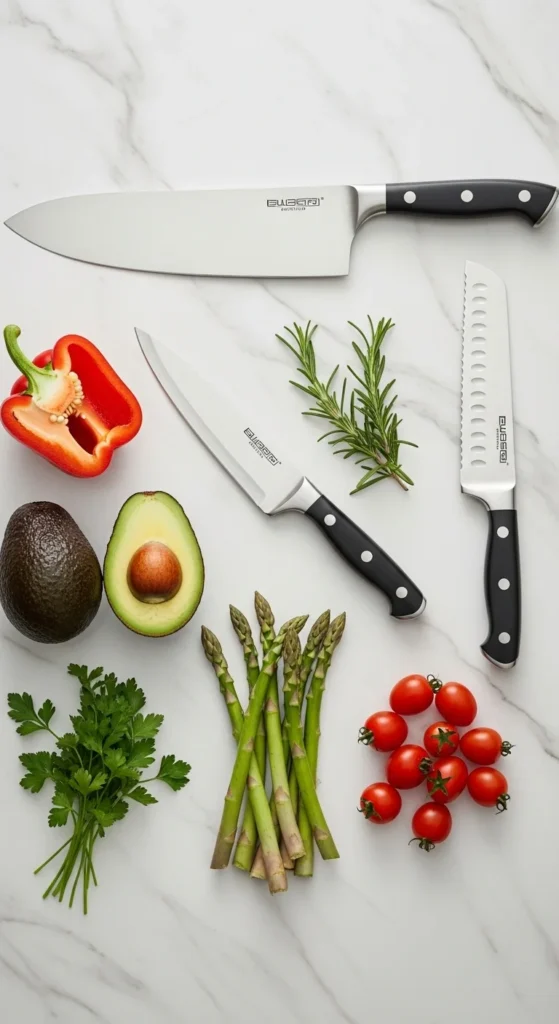
Keep your knives sharp! A dull blade squishes vegetables and makes cuts uneven.
Start With Proper Prep
Before cutting anything:
- Wash and dry your vegetables thoroughly.
- Set up a stable cutting board.
- Tie up long sleeves or hair to avoid distractions.
- Position fingers in the “claw grip” tuck fingertips in and guide the knife with your knuckles.
Good prep sets the foundation for neat, professional cuts.
Master the Basic Cutting Techniques
Every vegetable fits into one of these basic cutting styles. Once you master these, your prep work will look straight out of a cooking show.
1. Slice
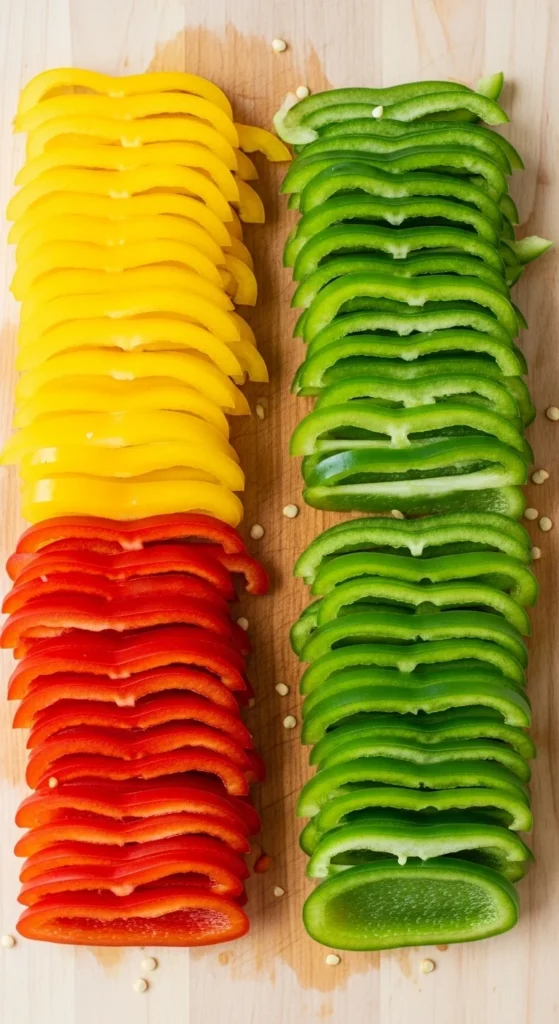
Slicing works best for cucumbers, bell peppers, zucchini, and mushrooms. To slice properly, cut straight through the ingredient with even pressure, creating thin or thick rounds or strips depending on the recipe.
2. Dice
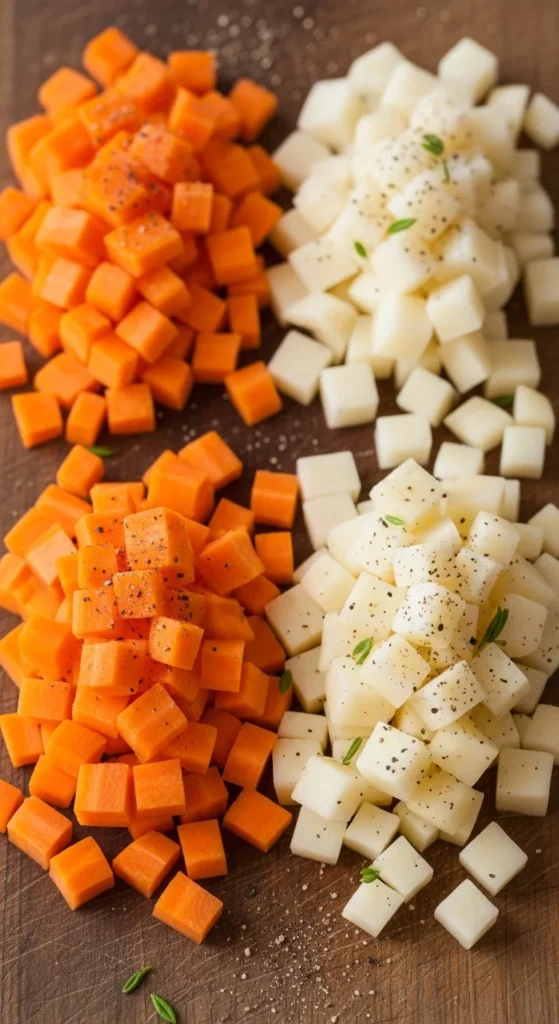
Dicing is ideal for onions, tomatoes, and potatoes. You begin by slicing vertically, then horizontally, and finally chopping across to form small, uniform cubes.
3. Julienne
Julienning is great for carrots, peppers, and radishes. This method involves cutting the vegetables into thin, matchstick-like strips often used in salads, stir-fries, or as garnishes.
4. Chop
Chopping works well for leafy greens, herbs, and celery. Simply rock the knife back and forth to create quick, rough, but even pieces, perfect for everyday cooking.
5. Mince
Mincing is best for garlic, ginger, and herbs. This technique involves chopping ingredients very finely to release as much flavor as possible.
Learn How to Cut Each Vegetable (Perfectly)
Here’s how to handle some common vegetables:
Carrots
- Chop off ends.
- Cut into equal halves or thirds.
- Slice or julienne depending on your recipe.
Bell Peppers
- Slice off the top.
- Pull out seeds and membranes.
- Lay flat and cut into strips or dice.
Onions
- Cut in half through the root.
- Remove skin but keep root attached.
- Make horizontal, then vertical cuts, then slice down for perfect dices.
Leafy Greens
- Stack leaves.
- Roll into a cylinder.
- Slice into ribbons (a technique called chiffonade).
Get Consistent Cuts Every Time
Consistency is what makes your final dish look restaurant-quality.
Tips for Even Cutting:
- Square off oddly shaped vegetables (like potatoes) before slicing.
- Cut slowly at first—speed comes with practice.
- Use your knuckles to guide the blade.
- Keep the knife tip down and use smooth rocking motions.
- Don’t overcrowd your board—give yourself space to work.
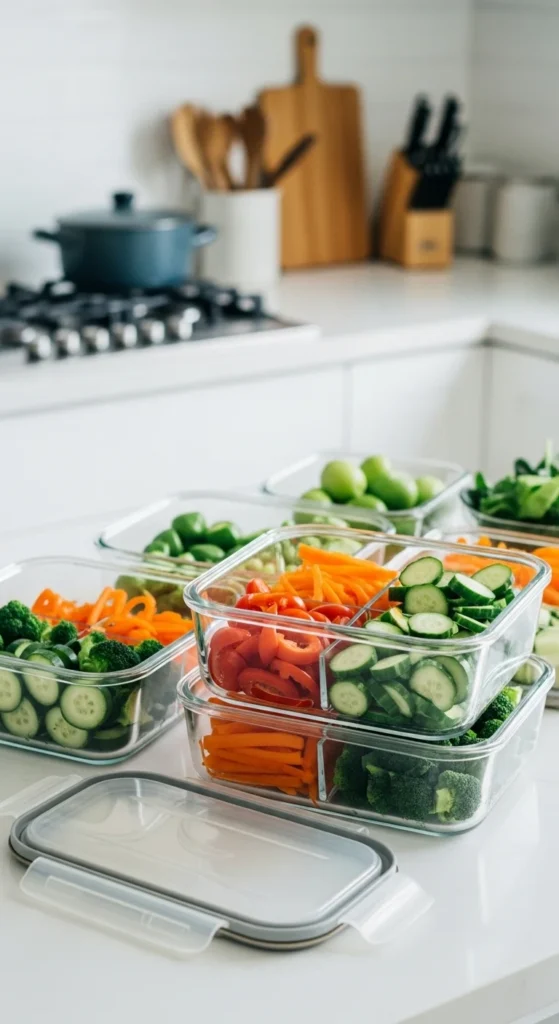
Store Prepped Vegetables the Right Way
Cutting perfectly is half the job—storing correctly keeps them fresh.
- Carrots & celery: Store in water for crispness.
- Leafy greens: Wrap in paper towels and keep in airtight containers.
- Chopped onions: Store in glass jars to prevent absorbing fridge smells.
- Cut potatoes: Keep in water to prevent browning.
Final Takeaway
Perfect vegetable cutting isn’t hard—it just takes practice and the right techniques. Once you master these basics, your cooking will instantly feel more professional, more enjoyable, and more organized.
Save this guide for your next meal-prep day—you’ll be cutting like a chef in no time!

Leave a Reply