

Boiling eggs sounds simple, drop them in water and wait, right? But anyone who has ended up with rubbery whites, chalky yolks, or shells that peel like a nightmare knows it’s not that straightforward. The secret to perfect boiled eggs is all in the timing, temperature, and cooling.
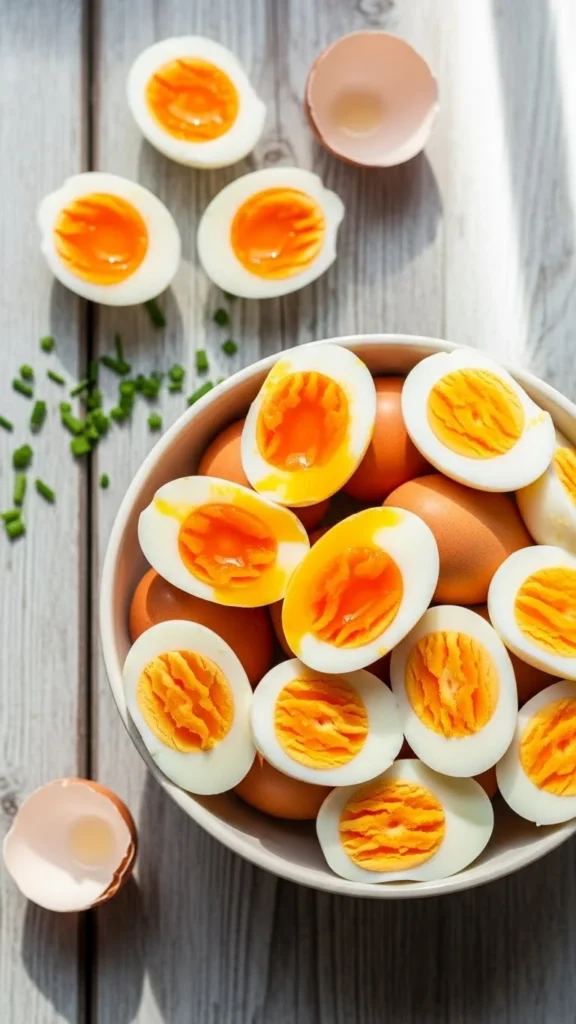
This guide walks you through every step so you can get your ideal egg runny, jammy, or firm, every time.
Pick the Right Eggs Before Boiling
Believe it or not, the age of the egg affects how easy it is to peel later. Fresh eggs taste great, but slightly older ones peel better.
Tips for Choosing Eggs:
- Use eggs that are 5–10 days old for easier peeling.
- Bring eggs to room temperature before boiling to prevent cracks.
- Rinse lightly if needed, especially if using farm eggs.
Older eggs have a smaller air pocket and looser membrane, which makes shells come off cleanly.
Prepare Your Pot the Right Way
Getting the setup right ensures even cooking from the start.
What You Need:
- A medium pot
- Cool water
- A slotted spoon
- Ice for an ice bath
Before Heating:
- Place eggs in a single layer so they don’t bump into each other.
- Cover with cold water, at least 1 inch above the eggs.
- Add a pinch of salt or a splash of vinegar (optional, but can help with peeling).
Know the Exact Timing for Your Perfect Egg
This is where most people make mistakes. The difference between a runny yolk and a fully set one is just a couple of minutes.
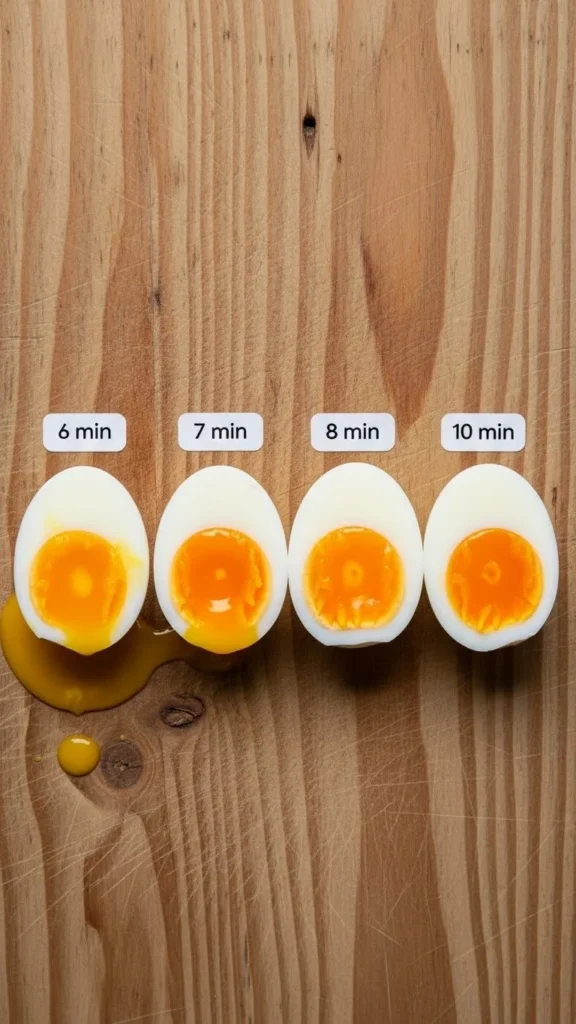
Timing Chart for Perfect Doneness
Once your water reaches a rolling boil, reduce heat to medium-low, gently add eggs with a spoon, and start the timer:
- 6 minutes: soft-boiled with runny golden yolk
- 7 minutes: “jammy” yolk—creamy and spreadable
- 8 minutes: mostly set yolk with a soft center
- 9 minutes: fully set but still bright yellow
- 10–12 minutes: classic hard-boiled, firm throughout
Chef’s Tip
Keep the temperature steady—too high and the eggs bounce around and crack, too low and they cook unevenly.
Stop the Cooking With an Ice Bath
The moment your timer ends, shock your eggs. This step is crucial.
How to Cool Eggs Properly:
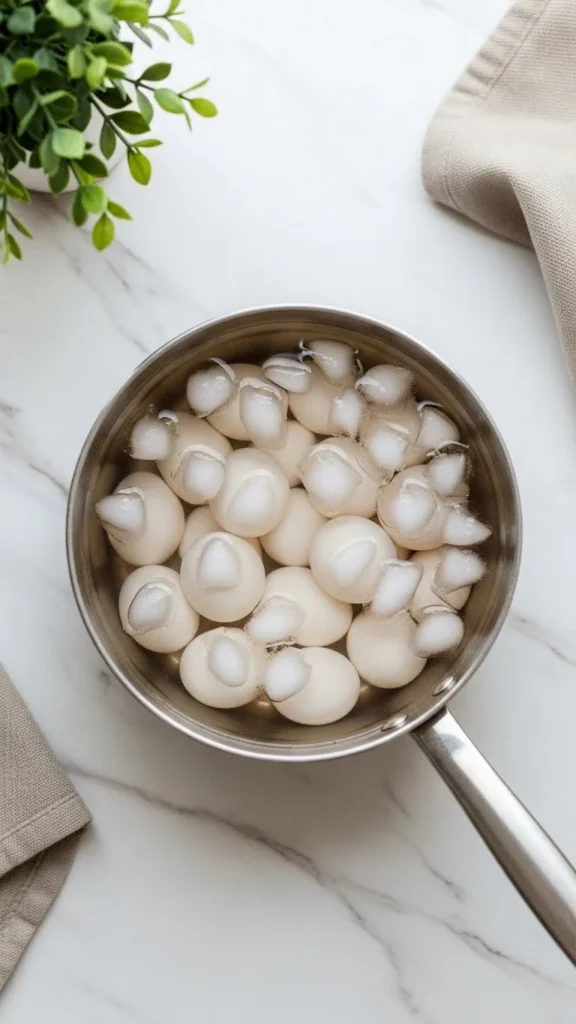
- Fill a large bowl with ice and cold water.
- Transfer eggs immediately from the pot to the ice bath.
- Let them sit for 5–10 minutes.
Why this matters:
- Prevents overcooking
- Stops green rings from forming around the yolk
- Makes shells slip off easily
This is the step that gives you perfect texture every time.
The Best Way to Peel Boiled Eggs
Peeling shouldn’t feel like a battle. These tips make it smooth and frustration-free.
Easy-Peel Method:
- Gently tap the egg all around.
- Roll it lightly under your palm to loosen the shell.
- Start peeling from the wider end where the air pocket is.
- Peel under running water if needed to remove tiny bits.
Avoid peeling while still warm—it pulls the whites apart.
Store Boiled Eggs the Safe Way
Boiled eggs can be a great meal-prep item if stored correctly.
Storage Tips:
- Refrigerate unpeeled eggs for up to 1 week.
- Keep peeled eggs in a covered container with a paper towel for 3–4 days.
- Don’t leave cooked eggs out for more than 2 hours.
Hard-boiled eggs actually dry out quickly, so airtight storage helps maintain freshness.
Ways to Use Your Perfectly Boiled Eggs
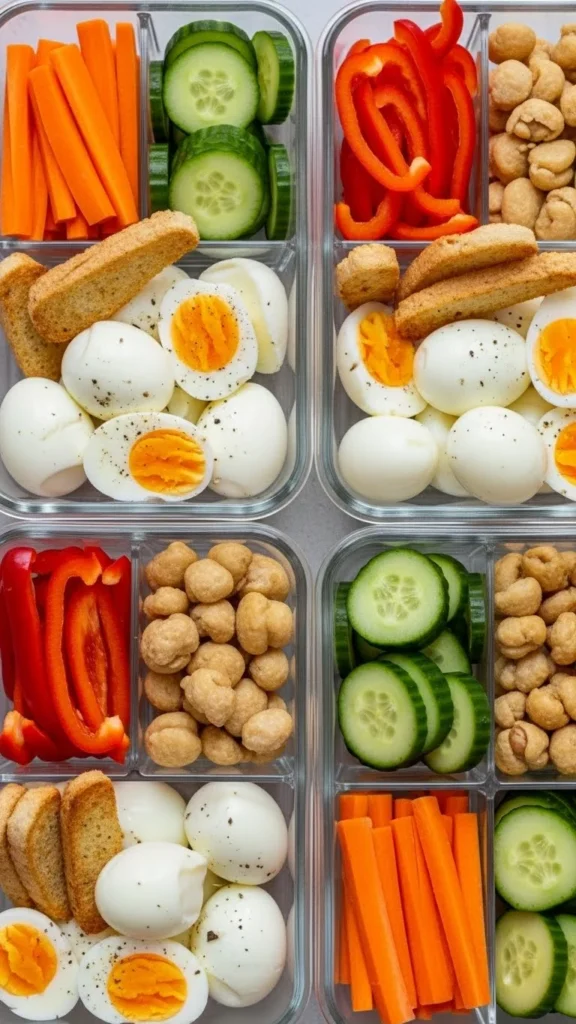
Once you’ve mastered your ideal doneness, boiled eggs can upgrade almost any meal.
- Soft-boiled: ramen, avocado toast, grain bowls
- Jammy eggs: salads, sandwiches, rice bowls
- Hard-boiled: egg salad, deviled eggs, high-protein snacks
They’re quick, nutritious, and incredibly versatile.
Final Takeaway
Perfect boiled eggs aren’t luck—they’re technique. Start with cold water, control your timing, cool immediately, and peel with patience. Once you nail this simple method, you’ll get consistent, perfect results every single time.
Save this guide so you never have to guess your boiling time again!

Leave a Reply