

Sautéed vegetables are quick, colorful, and full of flavor, but getting that irresistible char without burning them takes technique. When done right, you get caramelized edges, tender centers, and a smoky depth that elevates even the simplest meal.
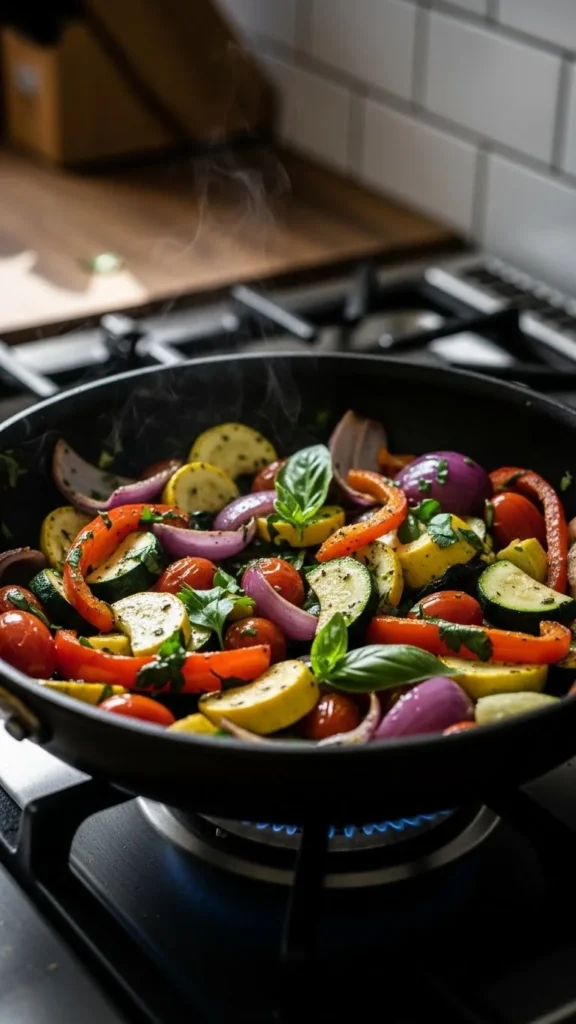
Here’s how to sauté vegetables the right way for that perfect balance of softness and crisp, golden char.
Choose Vegetables That Sauté Well
Some vegetables are naturally suited for high-heat cooking and develop gorgeous browning.
Great choices:
- Bell peppers
- Zucchini
- Mushrooms
- Broccoli
- Onion
- Carrots
- Snap peas
- Asparagus
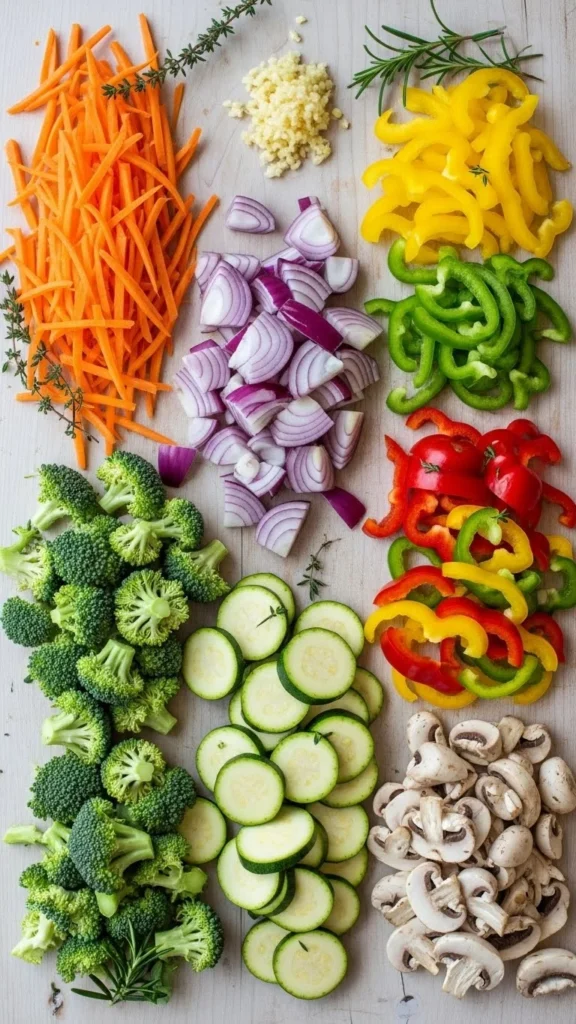
Cut everything into similar sizes to ensure even cooking.
Pick the Right Pan and Heat Level
Your pan and heat setting make a huge difference in achieving the ideal char.
Use:
- A stainless steel pan for deep caramelization
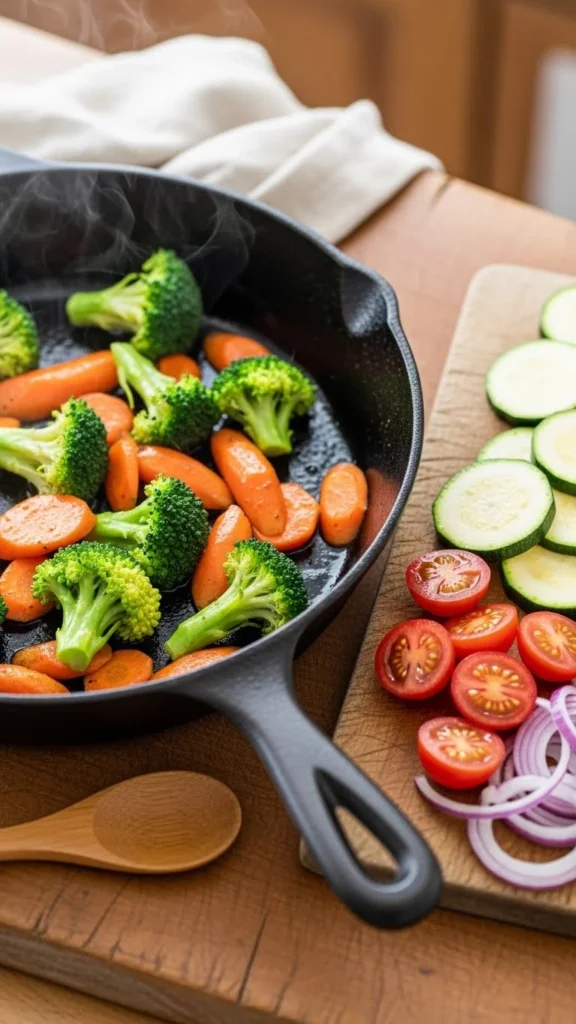
- A cast iron skillet for bold, smoky browning
- High heat to get crisp edges fast
To avoid overcrowding, the pan vegetables need space to sear, not steam.
Oil Matters More Than You Think
Choosing the right oil helps your vegetables brown instead of burn.
Best oils for sautéing:
- Olive oil
- Avocado oil
- Canola oil
- Grapeseed oil
Use enough oil to coat the pan lightly without drowning the vegetables.
Preheat the Pan Before Adding Vegetables
This step is essential. Adding vegetables to a cold pan prevents char and creates soggy results.
Steps:
- Heat the empty pan on medium-high
- Add oil and let it shimmer
- Add vegetables only when the oil is glossy
You’ll hear an instant sizzle, this is your sign the pan is ready.
Cook Vegetables in Stages
Different vegetables cook at different speeds. Adding everything at once leads to uneven results.
Start with hearty vegetables such as:
- Carrots
- Broccoli
- Onions
Add faster-cooking vegetables later:
- Mushrooms
- Zucchini
- Peppers
- Spinach
Staggering the cooking gives every piece the right texture.
Resist the Urge to Stir Constantly
For a perfect char, vegetables need time to rest against the hot surface.
Technique:
- Let vegetables sit undisturbed for 1–2 minutes
- Stir briefly
- Let them sit again
This creates caramelized edges while keeping the interior tender.
Season at the Right Time
Seasoning too early can draw out moisture and prevent browning.
Best approach:
- Sauté first
- Season midway
- Finish with fresh herbs or citrus at the end
Salt helps enhance flavor; pepper and spices add complexity.
Add Flavor Boosters
For even more depth, try adding:
- Garlic
- Soy sauce
- Chili flakes
- Lemon zest
- Balsamic vinegar
- Fresh herbs
Add delicate ingredients near the end to avoid burning.
How to Know When Char Is Perfect
Your vegetables should have:
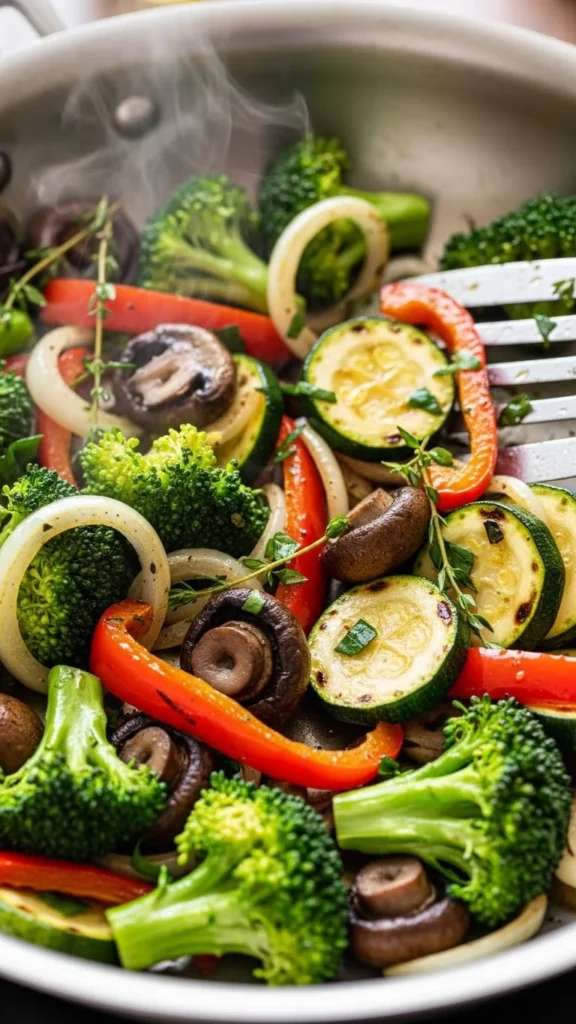
- Deep golden-brown edges
- Slight crispness
- Tender centers
- A smoky aroma without bitterness
As soon as they reach this point, remove them from heat to prevent overcooking.
Final Takeaway
Sautéing vegetables for perfect char is all about heat control, timing, and patience. Use a hot pan, stagger your ingredients, let them rest between stirs, and finish with fresh seasonings. Follow these simple steps and your veggies will taste like they came straight from a restaurant kitchen.
Save this guide for quick weeknight cooking and consistently delicious sautéed vegetables!
Leave a Reply