

A good stir fry is fast, colorful, and full of bold flavor. The best part is that you don’t need special skills or complicated tools to make it taste amazing. With a hot pan, the right prep, and quick movements, you can create a restaurant-style dish in minutes.
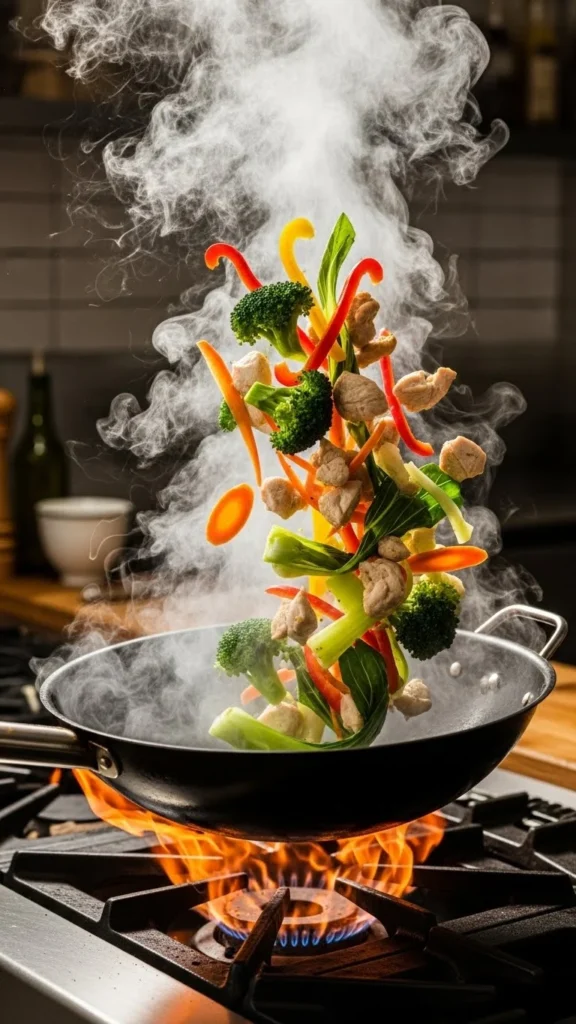
Let’s break it down into simple, beginner-friendly steps that make every stir fry a success.
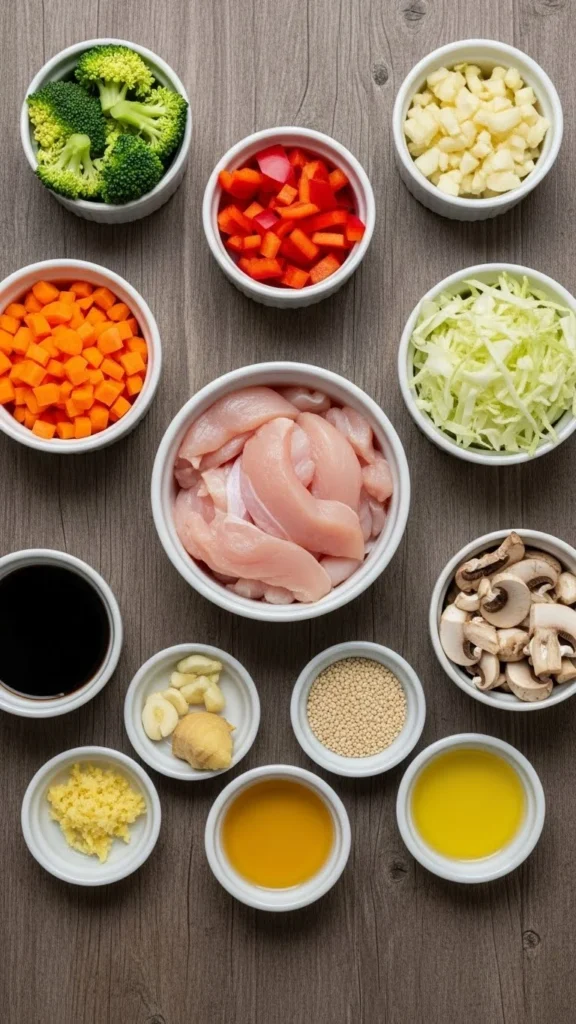
Prep Everything Before You Start Cooking
Stir frying happens fast. Once the heat is on, you won’t have time to chop or measure anything.
Make sure you have:
- Chopped vegetables
- Sliced protein
- Stir fry sauce
- Aromatics (garlic, ginger, chili)
- Oil and seasonings
Arrange everything within easy reach.
Cut Ingredients Into Even Sizes
Uniform pieces cook evenly. This is the secret behind perfectly cooked stir fry without raw or overdone chunks.
Guide for cutting:
- Slice meat into thin strips
- Cut vegetables into bite-size pieces
- Keep harder vegetables slightly smaller
- Keep softer vegetables slightly larger
Even sizes help everything cook at the same pace.
Use High Heat for Great Flavor
Stir fry relies on high heat to create that slightly smoky flavor and crisp texture.
Heat your pan until:
- You see a slight shimmer
- A drop of water sizzles instantly
High heat prevents sogginess and gives vegetables a bright color and perfect bite.
Choose the Right Oil
Use oils that tolerate high heat and stay stable.
Best options:
- Canola oil
- Peanut oil
- Vegetable oil
- Avocado oil
Avoid butter or olive oil because they burn too quickly.
Add Ingredients in the Right Order
Not everything cooks at the same speed, so layering is key.
Start with:
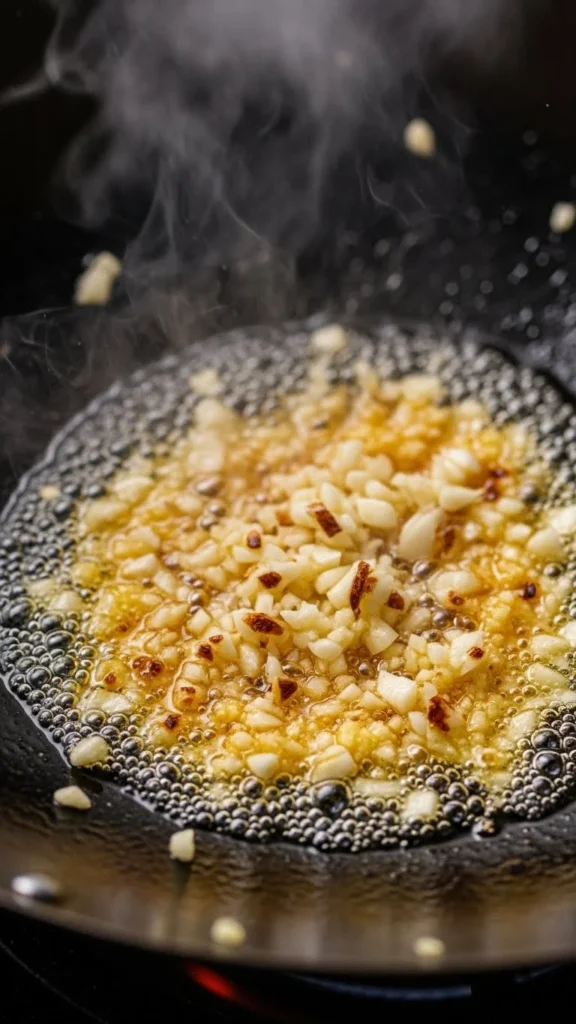
- Aromatics – garlic, ginger, chili
- Protein – chicken, beef, shrimp, tofu
- Hard vegetables – carrots, broccoli, beans
- Soft vegetables – peppers, zucchini, mushrooms
- Sauce – added at the end to coat everything
This order prevents burning and keeps textures ideal.
Don’t Overcrowd the Pan
Too many ingredients in the pan trap steam. Instead of searing, everything becomes soft and watery.
To avoid this:
- Cook in small batches
- Give ingredients room to breathe
- Remove cooked items before adding new ones
This keeps everything crisp and caramelized.
Keep Everything Moving
Stir frying is all about quick movement.
Techniques to use:
- Toss ingredients upward
- Push and pull with a spatula
- Rotate the pan gently
Constant motion prevents sticking and ensures even cooking.
Add the Sauce at the End
Your sauce brings everything together. Adding it too early can burn it or make it too thick.
Stir fry sauce ideas:
- Soy sauce with honey and garlic
- Coconut aminos with sesame oil
- Oyster sauce with ginger
- Chili sauce with lime
Coat everything, let it bubble for a moment, then turn off the heat.
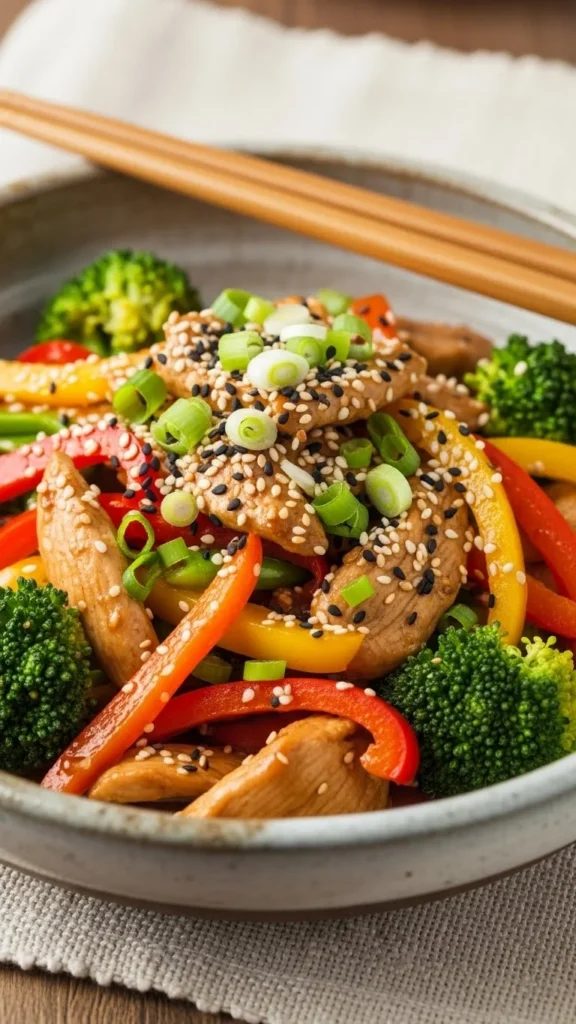
Finish With Texture Boosters
A great stir fry has layers of flavor and contrasting textures.
Try adding:
- Toasted sesame seeds
- Crushed roasted peanuts
- Fresh cilantro
- Green onions
- A squeeze of lemon or lime
These extras brighten the dish instantly.
Common Stir Fry Mistakes to Avoid
Stay mindful of these habits that can ruin a good stir fry:
- Using low heat
- Cutting uneven pieces
- Adding sauce too early
- Letting ingredients sit too long
- Overcrowding the pan
- Using watery vegetables without drying them
Fixing these mistakes makes a huge difference.
Final Takeaway
Stir frying isn’t complicated — it’s about heat, timing, and movement. With a little prep and the right order, you can create flavorful, crisp, satisfying meals in minutes. Try mixing different vegetables, proteins, and sauces to discover your favorite combinations.
Save this guide for every quick weeknight dinner and stir fry like a pro every time!

Leave a Reply