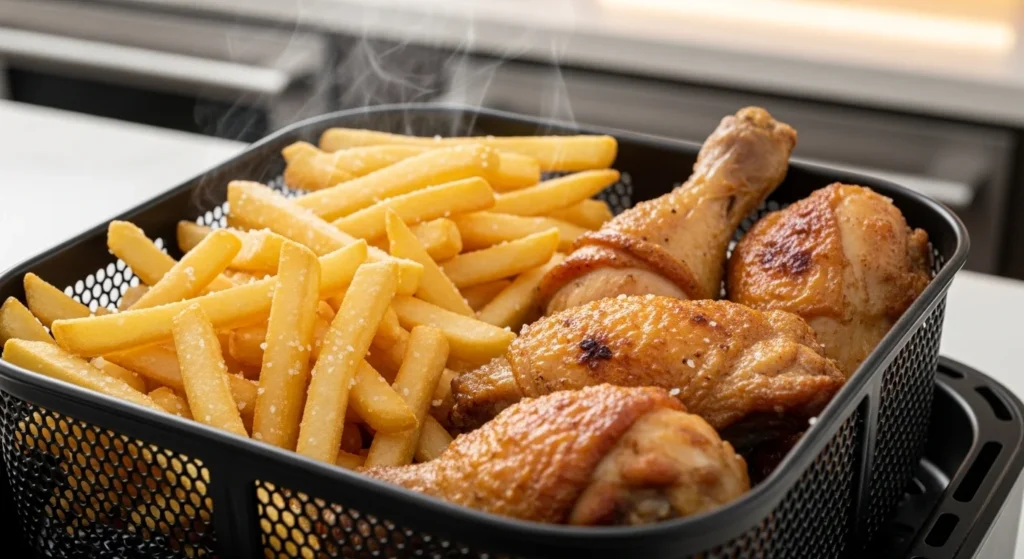
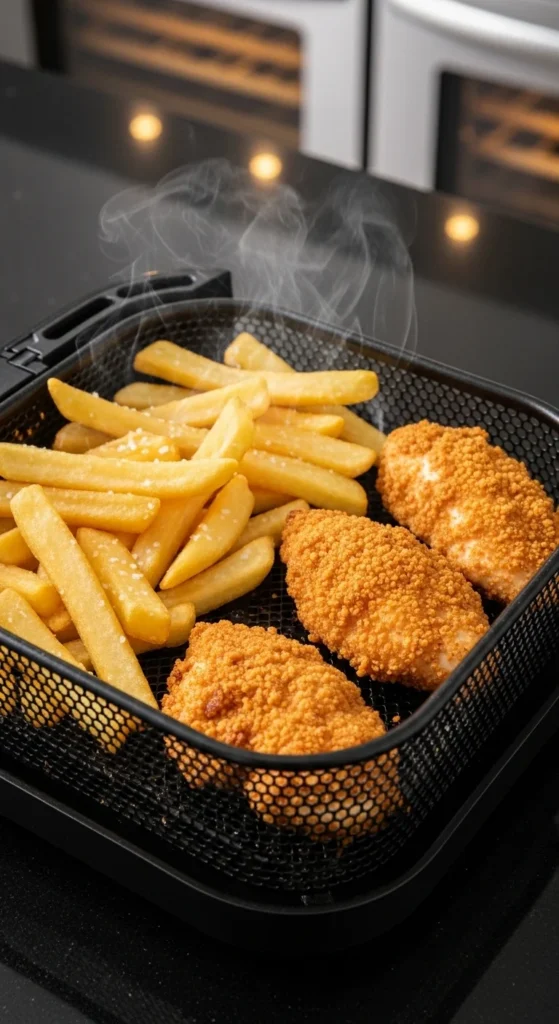
Crispy food in an air fryer is not automatic. The machine helps, but the result depends on how you manage moisture, airflow, oil, and temperature.
Most people follow recipes but ignore these fundamentals. That is why food turns out soft, uneven, or dry instead of crispy. Once you fix these few things, the results become consistent.
Start With Heat, Not Food
Putting food into a cold air fryer is one of the biggest mistakes.
Preheating for about 3 to 5 minutes at your target temperature, usually between 375°F and 400°F, allows the surface of the food to start crisping immediately instead of slowly steaming.
This matters because crispiness comes from the Maillard reaction, which only happens at higher temperatures. If the air fryer is not hot enough, moisture releases before browning starts, and that leads to soggy results.
Remove Moisture Before Cooking
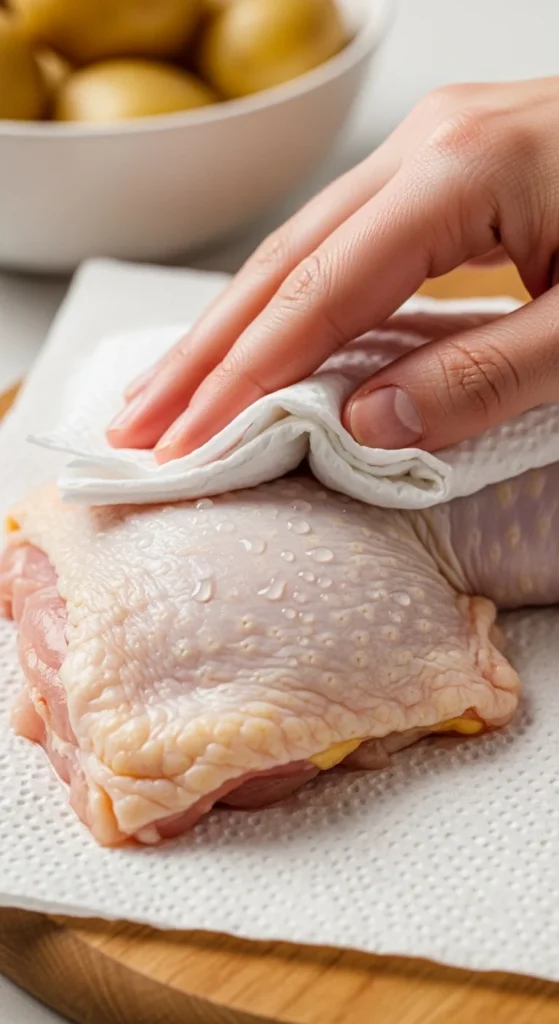
If there is one step that changes everything, it is this.
Before placing anything in the air fryer, dry it properly. Moisture on the surface creates steam, and steam blocks crisping.
For best results
- Pat food dry with paper towels
- Let it sit uncovered for a few minutes if possible
- For potatoes, rinse and dry completely before cooking
A simple dry surface leads to better browning and texture.
Use Oil the Right Way
Air fryers are not oil-free machines. They are low-oil systems.
A small amount of oil is essential because it helps heat transfer and promotes even browning.
Instead of pouring oil, use a light coating
- About 1 to 2 teaspoons for most foods
- Spread evenly using hands or spray bottle
High smoke point oils work best because of the temperatures involved
- Avocado oil
- Grapeseed oil
- Refined olive oil
Too much oil makes food greasy. Too little leaves it dry and pale.
Give Food Space to Crisp
Airflow is the entire mechanism behind an air fryer. Blocking it ruins everything.
Food should sit in a single layer with small gaps in between. When pieces touch or stack, they trap steam and cook unevenly.
If you are cooking for multiple people, it is better to cook in batches than overload the basket.
This one habit alone fixes most “not crispy” complaints.
Flip or Shake at the Right Time
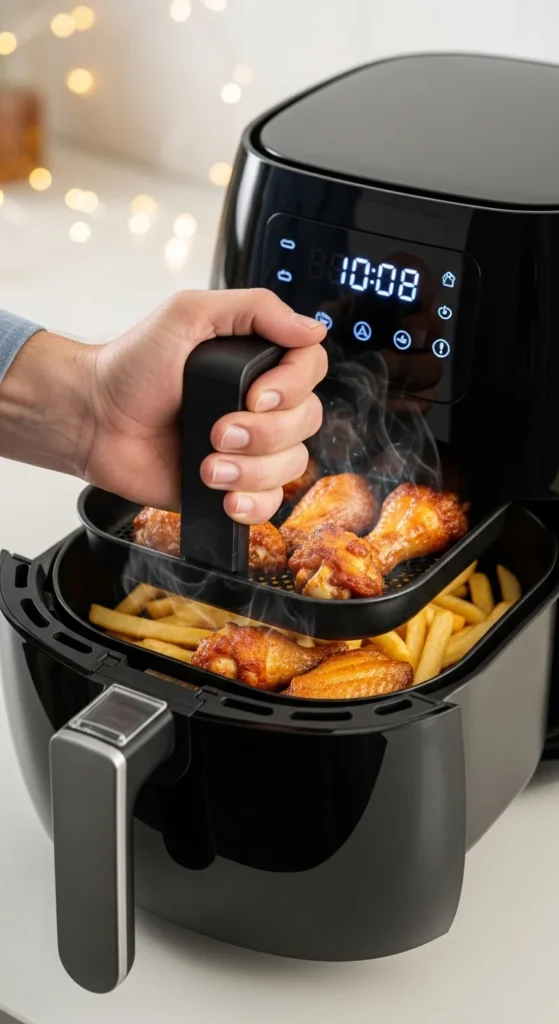
Crispiness develops where hot air hits the surface. If one side stays facing down the entire time, it won’t cook evenly.
Halfway through cooking
- Shake small items like fries or nuggets
- Flip larger items like chicken or fish
This ensures all sides get exposure to heat and crisp properly.
Use a Simple Crisp Coating
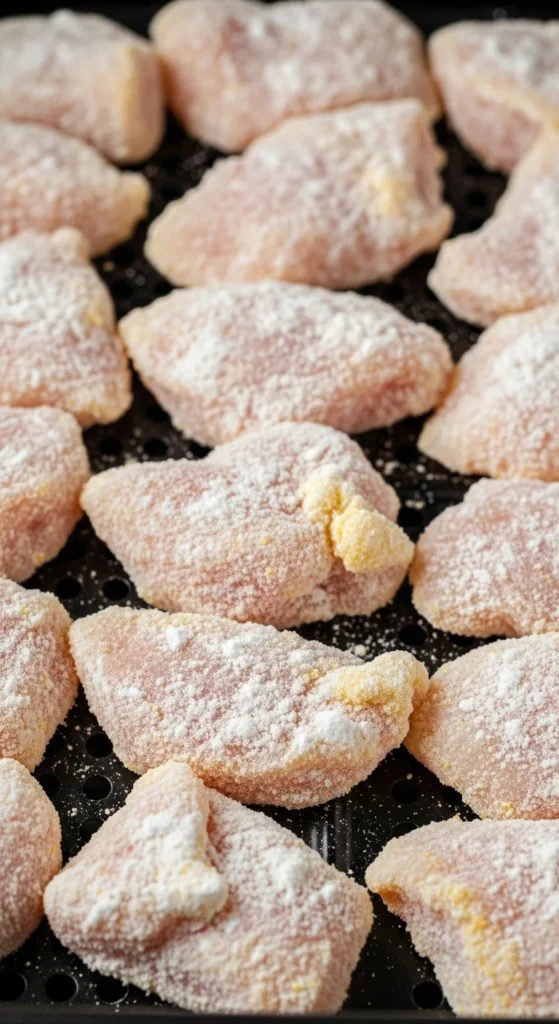
If you want restaurant-level crisp, coating makes a difference.
A light layer of cornstarch helps create a dry outer surface that crisps quickly.
A practical method
- Dry the food
- Add light oil
- Toss with 1 to 2 tablespoons cornstarch
For chicken wings, baking powder works especially well because it changes the surface pH and improves browning.
Control Temperature in Stages
Cooking everything at one temperature is not always ideal.
A better approach is
- Start high at around 400°F to create initial crisp
- Lower slightly to 375°F to cook inside properly
For extra crispiness, increase temperature again for the last 2 to 3 minutes.
This layered approach prevents burning while still giving a crispy finish.
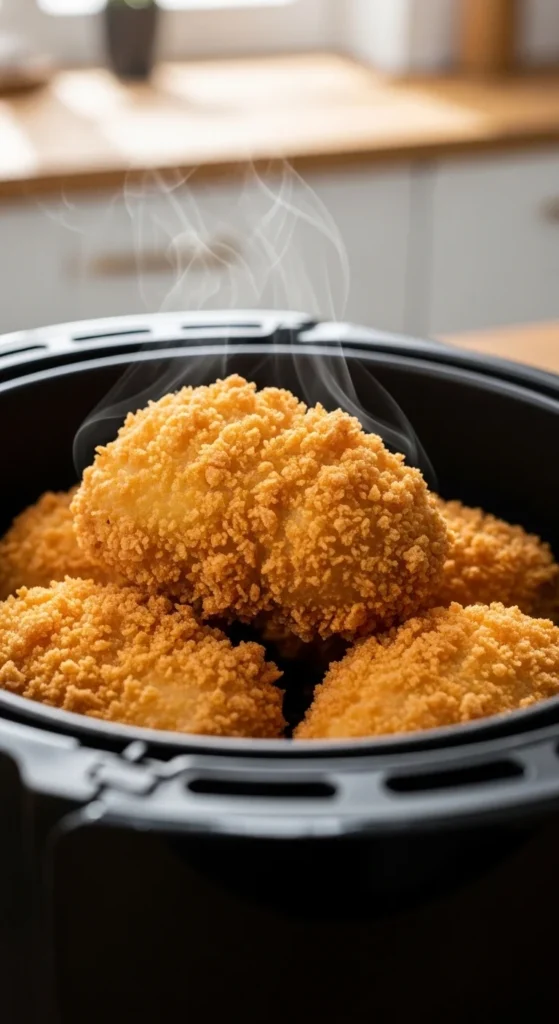
Keep the Basket and Airflow Clean
A dirty air fryer reduces performance.
Grease buildup blocks airflow and affects how heat circulates. This leads to uneven cooking and less crispiness.
A quick rinse or wipe after each use keeps results consistent.
Common Problems and Fixes
Food is cooked but not crispy
This usually means moisture was not removed or the basket was overcrowded. Dry the food properly and cook in smaller batches to allow airflow.
Food turns out uneven
Uneven size or skipping the shake step causes this. Cut pieces evenly and always flip or shake halfway through cooking.
Outside burns before inside cooks
High temperature without control leads to this. Start hot, then reduce heat slightly to finish cooking evenly.
Food looks dry but not crunchy
This happens when no oil is used. A light coating of oil is necessary to achieve proper browning.
Food sticks to the basket
This is often due to lack of oil or using the wrong liner. Use a light oil coat or perforated parchment instead of solid foil.
Final Thoughts
At the end of the day, getting that crisp texture isn’t about doing something complicated. It’s mostly about avoiding the small mistakes that quietly ruin the result.
Once you fix those, everything starts working in your favor. The food browns better, cooks faster, and actually feels satisfying instead of just “done.”
And the interesting part is, you don’t need perfect measurements or exact timings every time. Just a bit of awareness while cooking makes a bigger difference than any single tip.