

Baked fish should be tender, moist, and separate into clean flakes with just a gentle fork press. Instead, many people end up with dry, rubbery, or soggy fish because it cooks fast and punishes small mistakes. The good news is that perfectly flaky baked fish does not require advanced skills. It only needs the right temperature, simple prep, and careful timing.
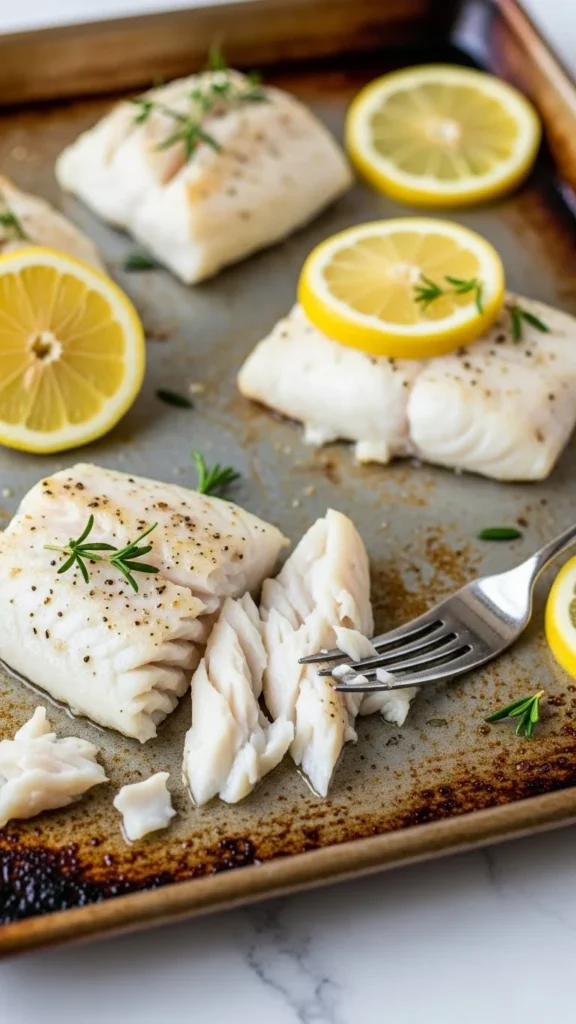
This step by step guide shows exactly how to bake fish so it turns out flaky and delicious every single time.
Choose The Right Fish
Not all fish behave the same in the oven. Some varieties flake naturally and are more forgiving for beginners.
Best Fish For Baking
- Cod
- Tilapia
- Halibut
- Haddock
- Pollock
These mild white fish have large muscle flakes that separate cleanly when cooked properly. Thicker fillets work best because they stay moist longer.
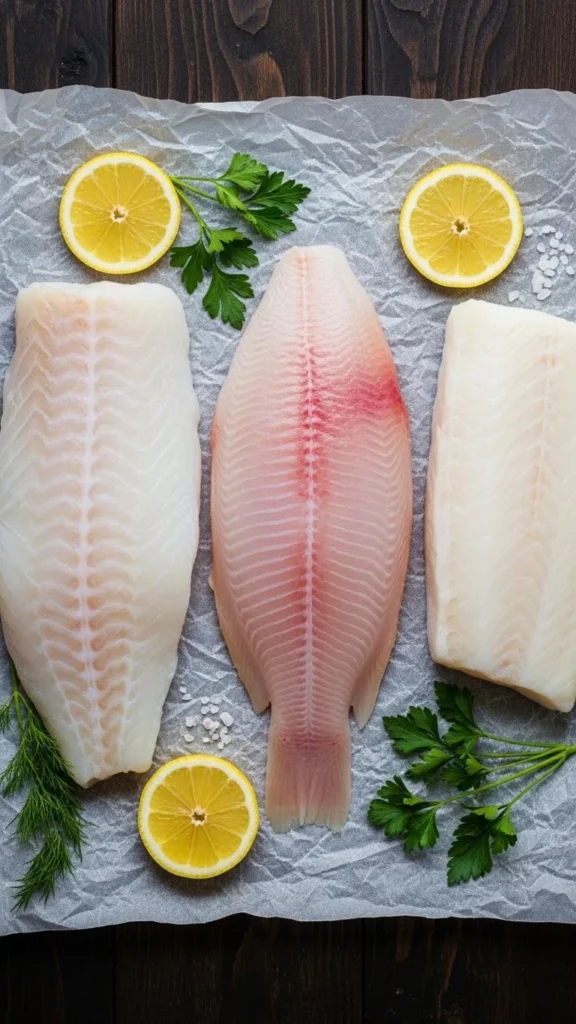
Prepare The Fish Properly
Good prep prevents steaming and ensures the fish bakes instead of boiling in its own moisture.
Prep Checklist
- Pat fish completely dry with paper towels
- Remove excess moisture from the surface
- Place fish in a single layer
- Let it sit at room temperature for 10 minutes
Dry fish browns better and flakes more cleanly once cooked.
Season Simply For Best Results
Fish does not need heavy seasoning to taste great. Simple flavors allow the natural texture to shine.
Basic Seasoning Options
- Olive oil or melted butter
- Salt and black pepper
- Garlic powder
- Lemon slices or juice
Brush the fish lightly with oil or butter, then season evenly on both sides.
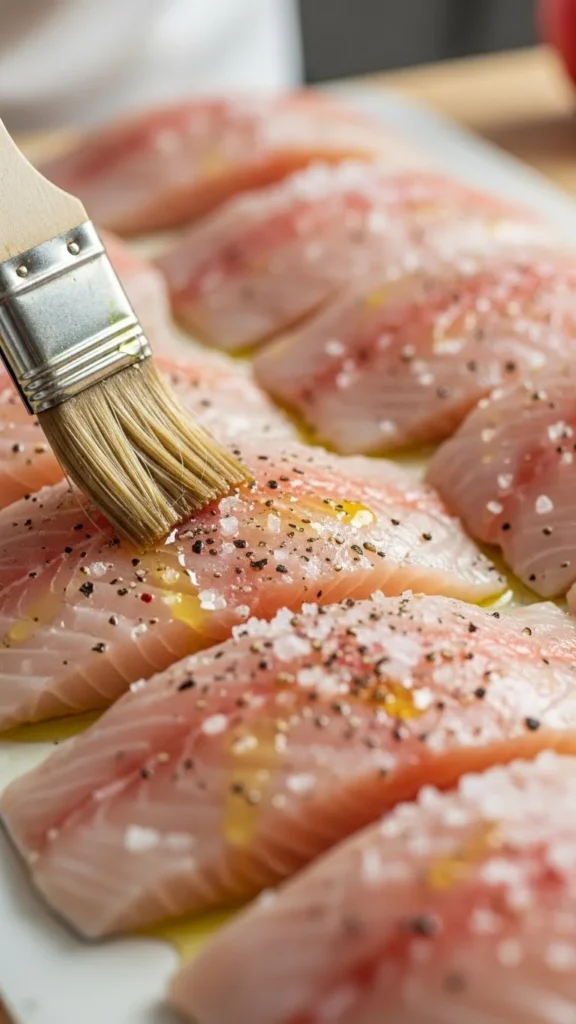
Bake At The Right Temperature
Temperature control is critical for flaky fish. Too low leads to dryness. Too high causes uneven cooking.
Ideal Oven Settings
- Preheat oven to 375 to 425 degrees F
- Use the middle rack
- Bake uncovered
Most white fish bakes perfectly at 400 degrees F, balancing moisture retention with gentle browning.
Follow The Thickness Rule
Fish cooks based on thickness, not weight. This rule prevents overcooking.
Timing Guide
- Thin fillets under 1 inch: 12 to 15 minutes
- Medium fillets 1 inch thick: 15 to 20 minutes
- Thick fillets over 1.5 inches: 20 to 25 minutes
Avoid guessing. Always check the thickest part.
Know When Fish Is Done
Perfectly baked fish flakes easily but still looks moist inside.
Doneness Signs
- Fish turns opaque
- Flesh separates easily with a fork
- Internal temperature reaches 145 degrees F
If using a thermometer, remove fish just as it hits the target temperature to prevent dryness.
Let The Fish Rest Briefly
Resting allows juices to settle and finish cooking gently.
Resting Steps
- Remove fish from oven
- Leave uncovered
- Rest for 2 to 3 minutes
Unlike meat, fish needs only a short rest to stay flaky and tender.
Add Simple Finishing Touches
A quick finish elevates baked fish from basic to restaurant quality.
Flavor Finish Ideas
- Fresh lemon juice
- Chopped parsley or dill
- A drizzle of olive oil
- A small pat of butter
Add these after baking so flavors stay fresh and bright.
Avoid These Common Mistakes
Most fish problems come from a few avoidable errors.
Mistakes To Skip
- Do not overcrowd the pan
- Do not skip drying the fish
- Do not bake too long
- Do not rely on color alone
- Do not over season
Keeping things simple produces the best texture.
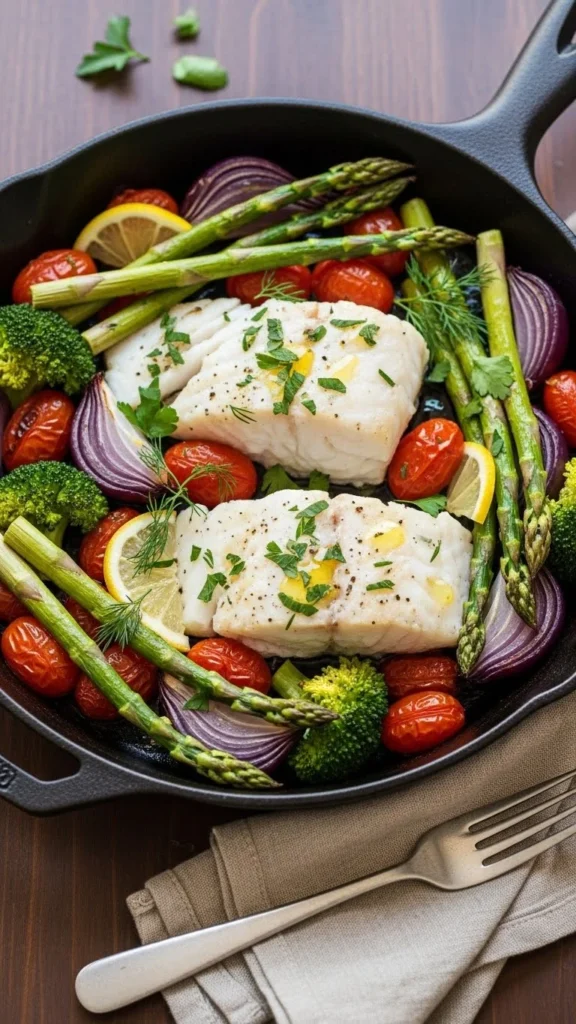
Make It A One Pan Meal
Baked fish pairs well with vegetables and cooks beautifully in one dish.
Easy Pairings
- Cherry tomatoes
- Zucchini
- Bell peppers
- Olives
- Thin sliced potatoes
Add vegetables around the fish and lightly oil them so everything cooks evenly.
Store And Reheat Without Drying Out
Leftover fish can still taste great if reheated gently.
Reheating Tips
- Cover loosely with foil
- Reheat at 275 degrees F
- Add a splash of water or lemon juice
Low heat protects the flaky texture.
Final Takeaway
Perfectly flaky baked fish comes down to simple rules. Choose the right fish, dry it well, bake at the proper temperature, follow thickness based timing, and stop cooking at the right moment. When done correctly, baked fish is tender, moist, and flakes apart beautifully.
Save this guide for your next seafood night and enjoy perfectly baked fish every time.

Leave a Reply