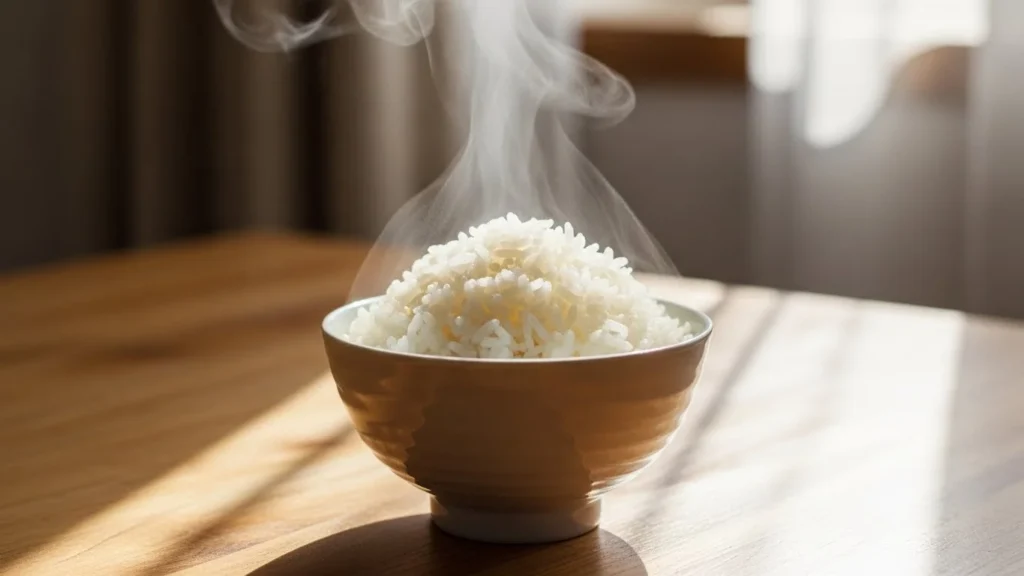
There’s nothing more disappointing than lifting the lid on your pot and finding mushy, soggy, or gluey rice. The good news? Fluffy, separate, perfectly cooked rice isn’t just something chefs can do—you can make it at home every single time with a few simple steps.
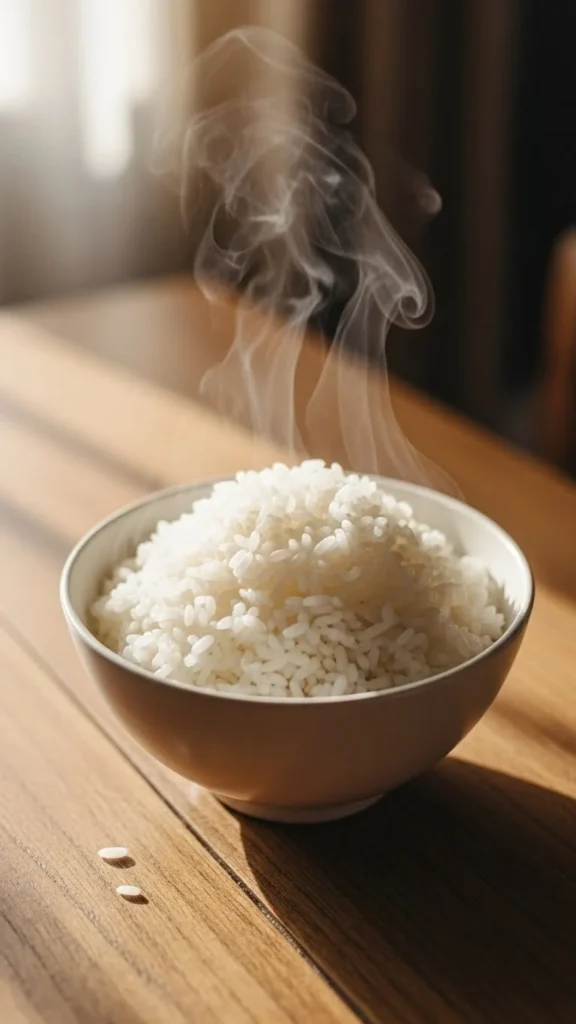
Let’s dive into the foolproof method that delivers light, airy grains without any stickiness.
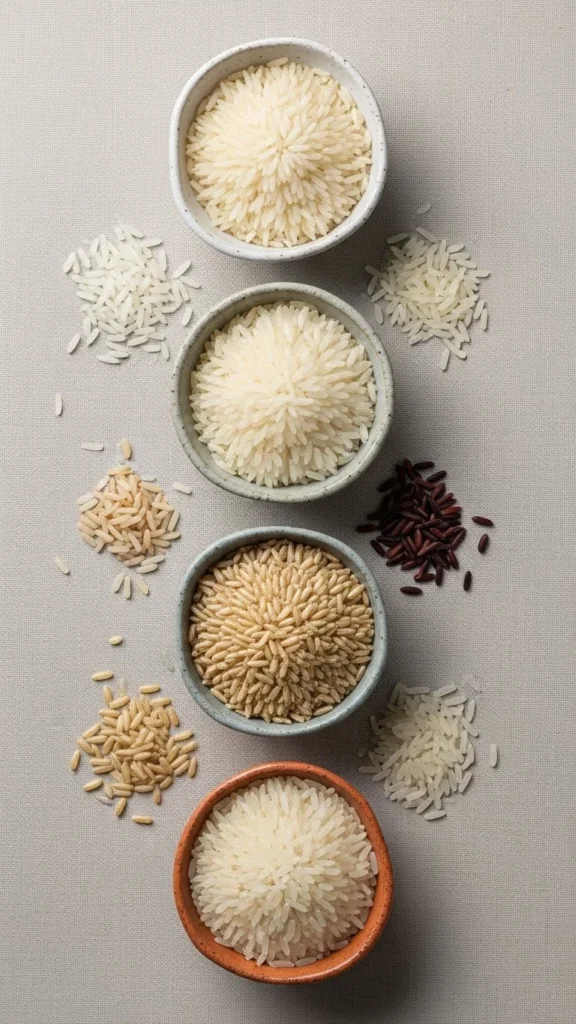
Pick the Right Rice for the Texture You Want
Different rice varieties behave differently, so choosing the right one is the first step toward success.
Popular Choices:
- Basmati: Long, fragrant grains that naturally stay separate.
- Jasmine: Soft, aromatic rice with a gentle stick—but still fluffy.
- Long-grain white rice: Reliable and easy to cook.
- Brown rice: Nutty and firm but needs more water and time.
Once you know your rice, you can adjust the water and cooking time accordingly.
Rinse Your Rice (Don’t Skip This!)
Excess starch is the main reason rice clumps together. Rinsing removes the powdery coating that makes grains sticky.
How to Rinse Properly:
- Add rice to a bowl.
- Cover with water and swish gently.
- Drain cloudy water.
- Repeat 2–4 times until the water runs almost clear.
This small step creates a big difference in texture.
Use the Perfect Water-to-Rice Ratio
Getting the ratio right is the secret behind non-sticky rice. Too much water makes it mushy; too little leaves it undercooked.
Foolproof Ratios:
- Basmati: 1 cup rice : 1.5 cups water
- Long-grain white rice: 1 cup rice : 2 cups water
- Jasmine rice: 1 cup rice : 1.75 cups water
- Brown rice: 1 cup rice : 2.5 cups water
Consistent measurements mean consistent results.
Boil, Simmer, and Leave It Alone
Once your water ratio is set, it’s time to cook.
Step-by-Step Method:
- Add rinsed rice and water to the pot.
- Sprinkle in a pinch of salt.
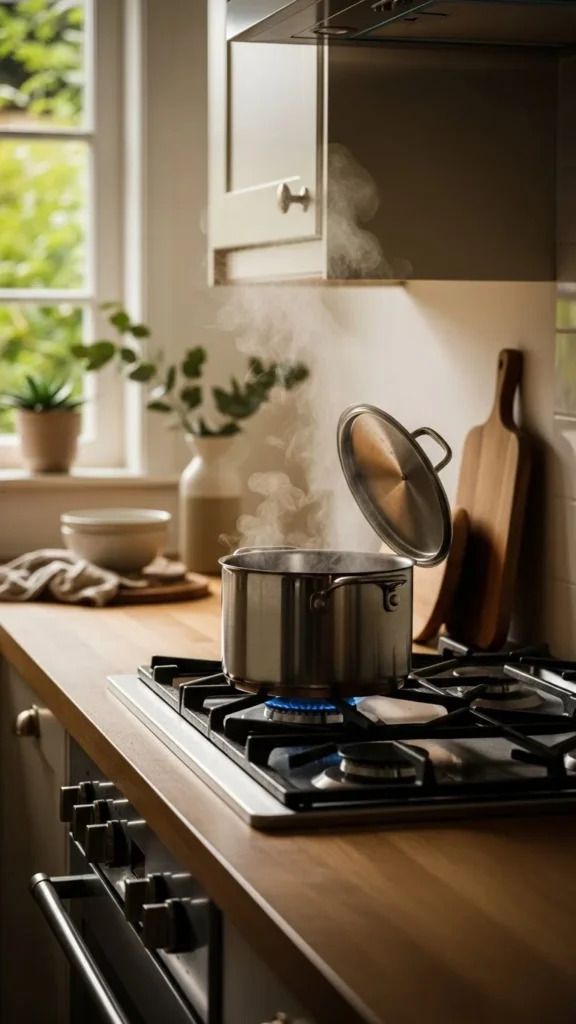
- Bring the pot to a gentle boil.
- Once boiling, reduce heat to low and cover with a tight lid.
- Simmer without lifting the lid—this traps steam and cooks the rice evenly.
- Turn off heat after the recommended cooking time (usually 12–15 minutes for white rice).
- Let it rest for 10 minutes.
This resting time allows the steam to finish its job.
Fluff With a Fork (Not a Spoon)
After resting, lift the lid and let the steam escape for a moment. Then, gently run a fork through the rice.
A fork separates grains without crushing them, which keeps the texture airy and light.
Avoid These Common Mistakes
To make perfect rice consistently, steer clear of these rice-ruining habits:
- Stirring the rice while it cooks – This activates starch and makes it gummy.
- Using high heat – The bottom burns before the top cooks.
- Skipping the rinse – Leads to sticky, clumpy grains.
- Opening the lid too early – Releases steam that the rice needs.
Little habits like these make a big difference.
Try the Absorption Method for Effortless Results
The absorption method is the classic chef-approved technique for fluffy rice:
- Bring water and rice to a boil.
- Cover.
- Simmer until water is fully absorbed.
- Rest.
- Fluff.
It’s simple, reliable, and works with most rice types.
Store and Reheat Rice the Right Way
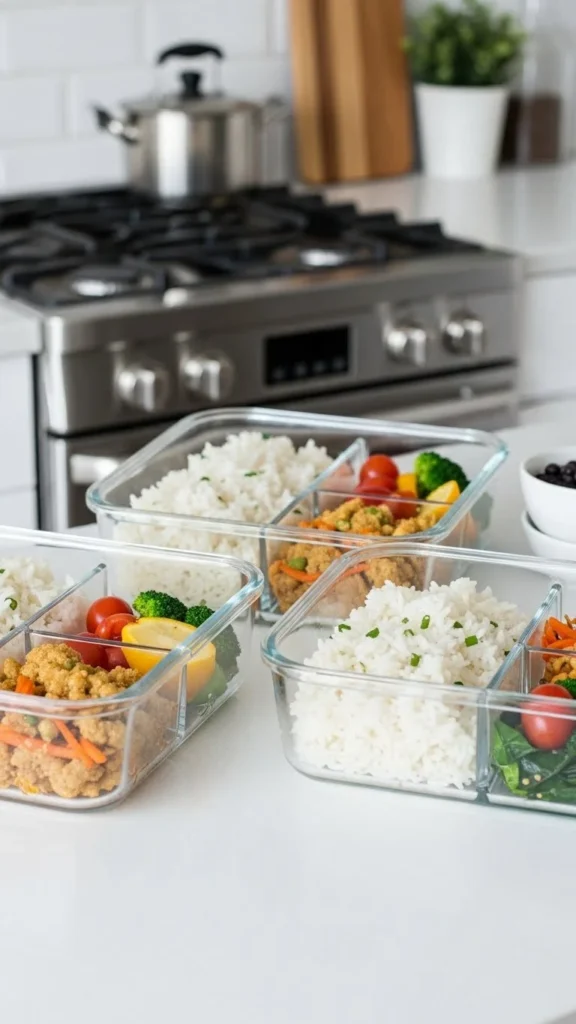
Cooked rice can stay fluffy even the next day—if you store it correctly.
Storage Tips:
- Cool rice quickly to prevent moisture buildup.
- Store in airtight containers.
- Refrigerate for up to 4 days.
- Freeze for up to 1 month.
Reheating Options:
- Microwave with a splash of water.
- Steam in a covered pan.
- Add to stir-fries directly without thawing.
Final Takeaway
Perfect, fluffy rice is all about simple habits—rinse well, measure accurately, simmer gently, and let it rest. Follow these steps, and you’ll never deal with sticky rice again.
Save this guide for your next lunch or dinner prep. Your rice dishes are about to get a major upgrade!