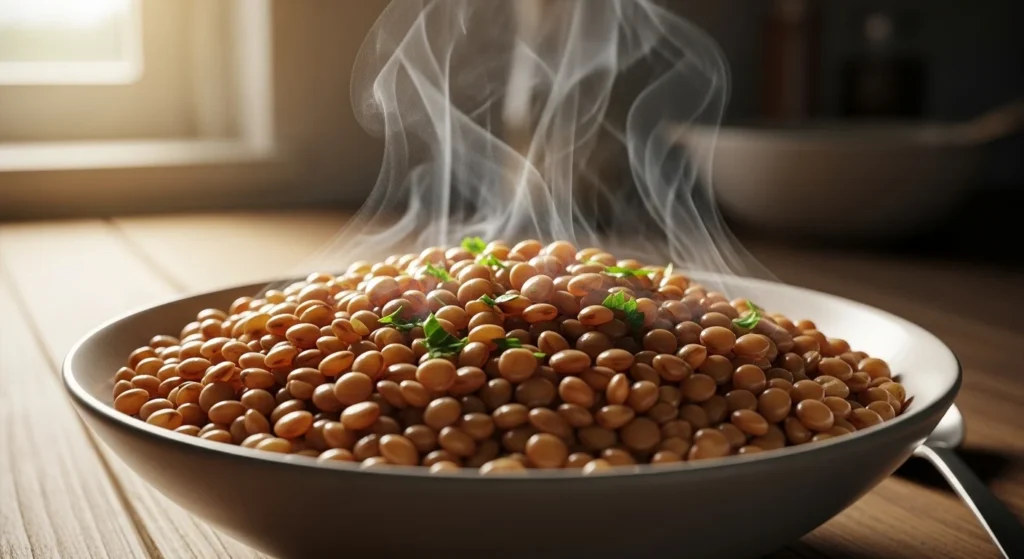
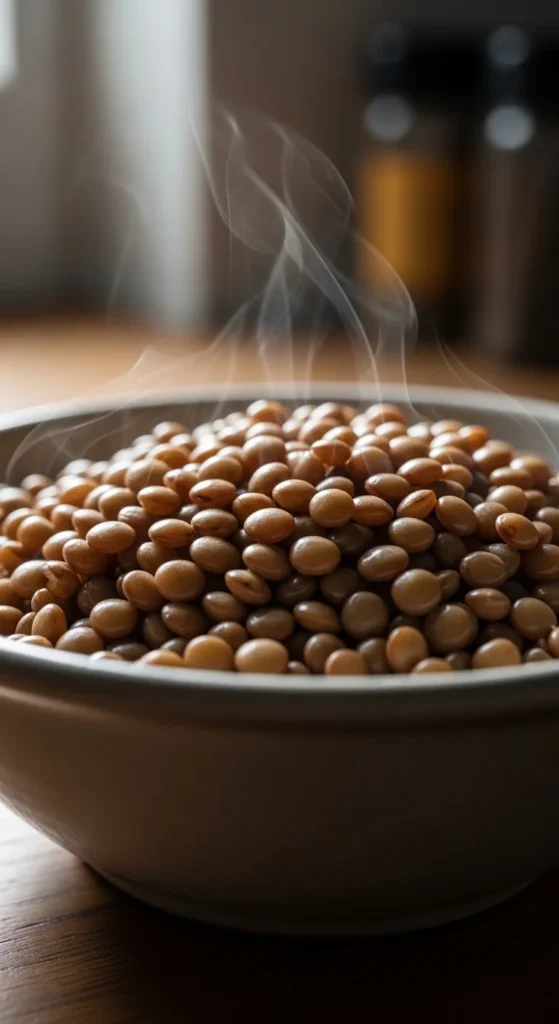
Cooking lentils perfectly without mushiness comes down to controlling three things: lentil type, heat level, and timing. Lentils cook faster than most legumes and continue softening even after heat is turned off, which is why small mistakes quickly lead to a mushy texture.
Once you understand how these factors work together, getting tender but not mushy lentils becomes consistent.
Choose the Right Lentils for Firm Texture
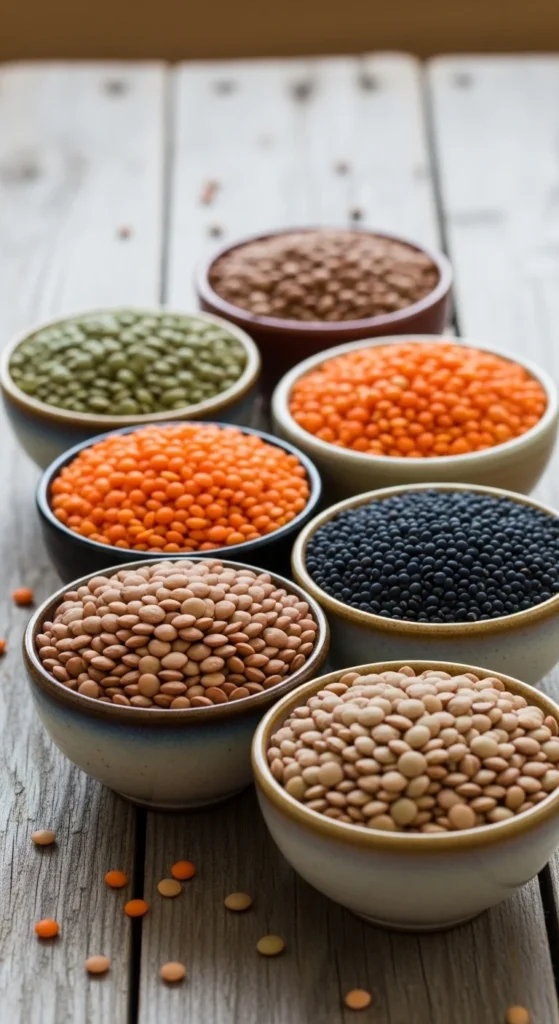
The type of lentil you choose decides the final texture before you even start cooking.
Best Lentils for Non-Mushy Results
- Green lentils hold shape well and are ideal for salads
- Brown lentils are the most common and reliable option
- French and black lentils stay the firmest after cooking
Lentils That Naturally Turn Soft
- Red lentils break down quickly
- Yellow lentils are best for soups and dals
Using the wrong type is one of the biggest reasons people struggle with texture.
Use the Correct Water Ratio
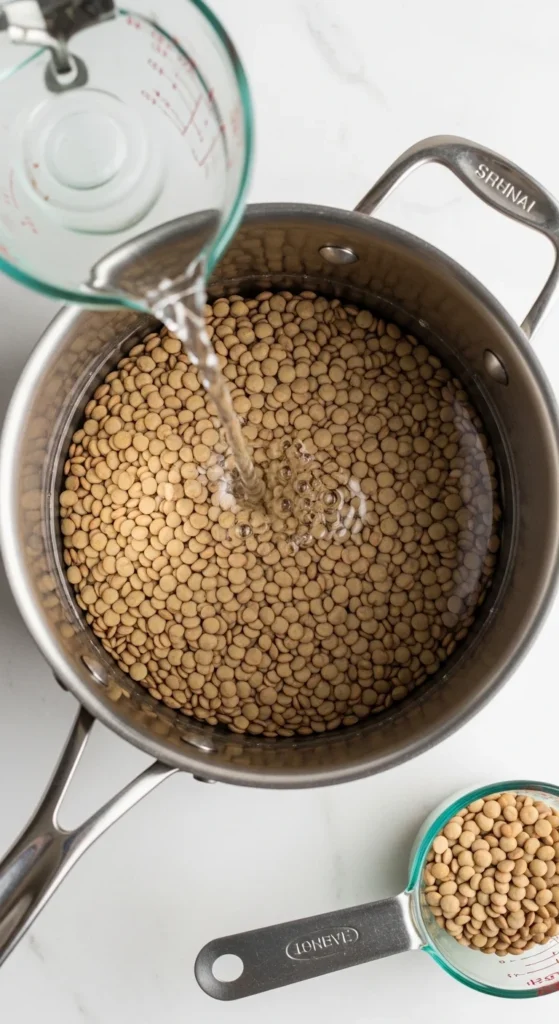
Water control directly affects how soft lentils become.
Ideal Ratio
- 1 cup lentils
- 3 cups water or broth
What Happens If You Get It Wrong
- Too much water leads to over-absorption and softness
- Too little water causes uneven cooking
Cooking in broth improves flavor without affecting structure.
Control Heat From the Start
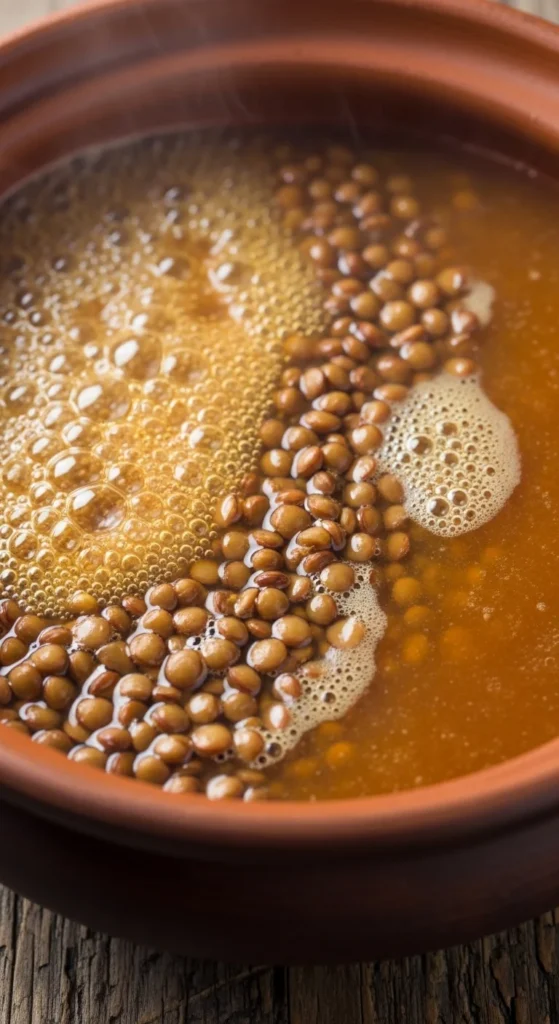
Heat is where most texture problems begin.
Proper Cooking Method
- Bring lentils to a boil first
- Immediately reduce to a gentle simmer
Why This Matters
- High heat breaks lentils apart
- Gentle simmer keeps them intact
Avoid aggressive boiling at all costs if you want firm lentils.
Cook Based on Texture, Not Just Time
Image Prompt
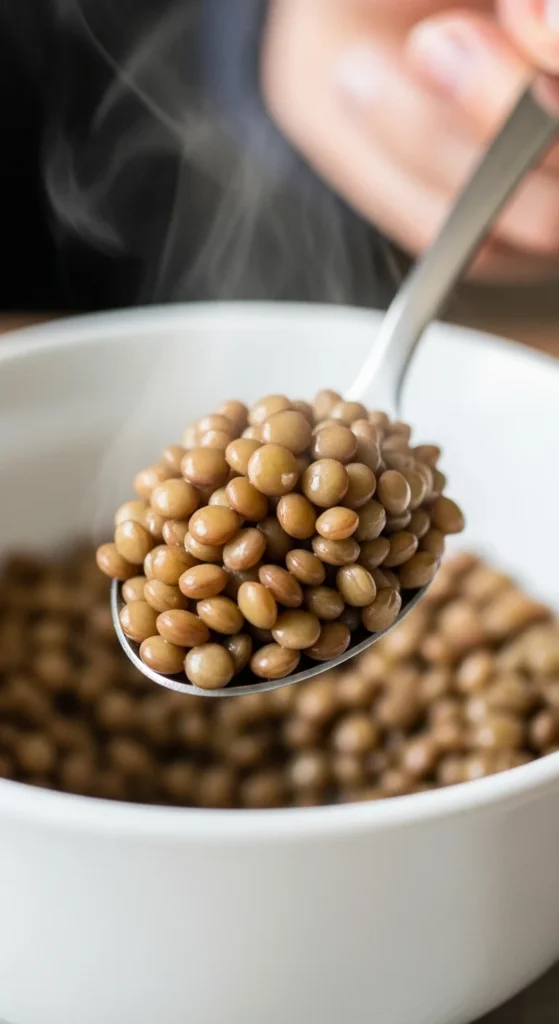
Close-up of lentils being checked with a spoon showing firm texture
Time is only a guideline. Texture is the real indicator.
Average Cooking Times
- Green lentils 15 to 20 minutes
- Brown lentils 20 to 25 minutes
- French or black lentils 25 to 30 minutes
Key Habit That Changes Results
- Start checking 2 to 3 minutes early
- Taste instead of relying only on timing
This single adjustment prevents overcooking.
Stop Cooking at the Right Moment
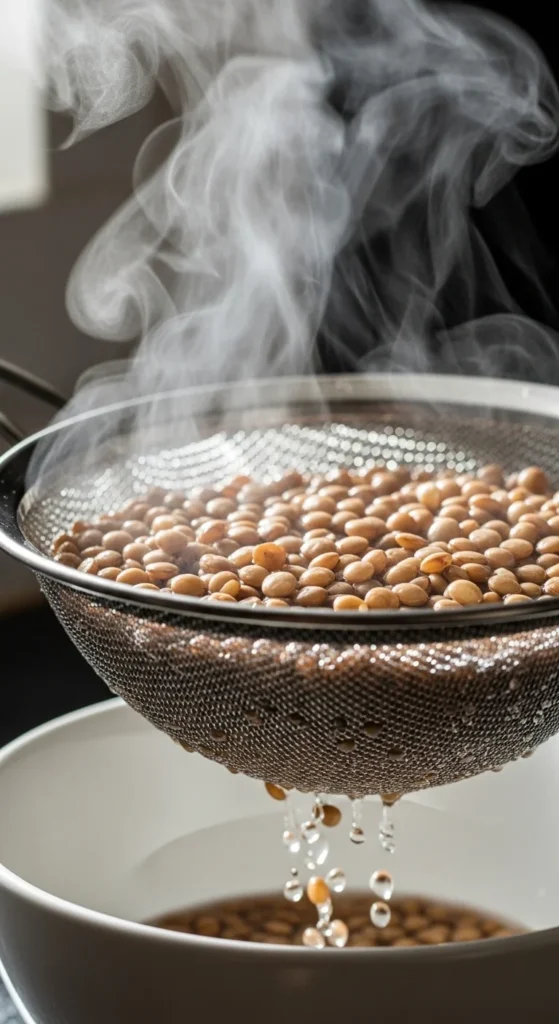
Lentils continue cooking even after heat is turned off.
What to Do
- Remove from heat as soon as tender
- Drain immediately
Why It Works
- Prevents over-softening
- Stops residual cooking
Let them cool uncovered so steam does not trap moisture.
Small Techniques That Improve Texture
These small changes make a noticeable difference:
- Rinse lentils before cooking to remove excess starch
- Cook uncovered or slightly open to avoid steaming
- Add salt at the end for better control
- Use fresh lentils for consistent results
- Avoid overcrowding the pot
Common Problems and Fixes
Mushy Lentils
Mushy lentils usually happen when heat is too high or cooking time is too long. Reducing heat after boiling and checking earlier keeps them firm.
Uneven Texture
This happens when the simmer is inconsistent or water is insufficient. Maintaining a steady gentle simmer and proper ratio ensures even cooking.
Lentils Too Soft Even on Time
Older lentils tend to lose structure. Using fresher lentils improves both texture and predictability.
Bland Taste
Cooking only in water limits flavor. Using broth or adding aromatics during cooking improves depth without changing texture.
Lentils Keep Softening After Cooking
This is caused by trapped steam. Draining immediately and letting them cool uncovered prevents further softening.
Final Thoughts
Cooking lentils perfectly without mushiness is not complicated, but it requires attention at the right moments.
Once you control heat, check early, and stop cooking at the right time, the results become reliable every time.