Cooking pasta al dente means getting that perfect bite, tender on the outside, firm in the center, never mushy. It’s the key to great pasta dishes, whether you’re making creamy Alfredo or a simple tomato bowl.

Here’s how to hit that ideal texture every time with simple, reliable steps.
Choose the Right Pasta Shape
Different shapes cook at slightly different speeds, but the goal stays the same firm bite, no softness in the core.
Popular shapes that cook well:
- Spaghetti
- Penne
- Fusilli
- Fettuccine
- Rigatoni
Check the box for recommended cooking times, but don’t rely solely on them.
Use a Large Pot With Plenty of Water
Crowded pasta sticks together and cooks unevenly. A big pot gives the noodles room to move freely.
Basic guideline:
- Use 4–5 liters of water for every 450 grams of pasta
- Fill the pot high enough for boiling movement
- Keep the water rolling, not simmering
Generous space equals even texture.
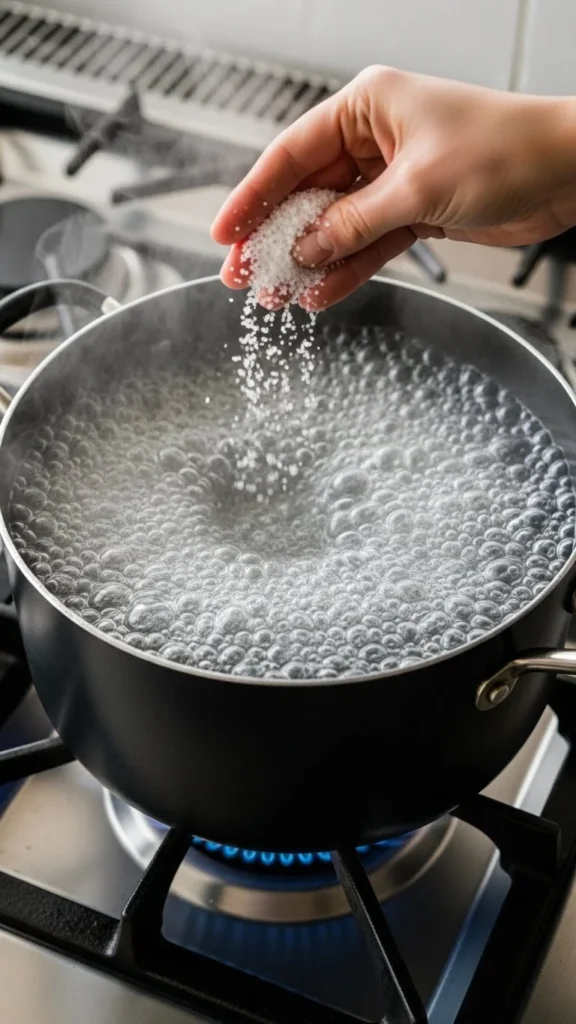
Salt the Water Generously
Salt doesn’t just season the pasta it helps it cook properly.
Add:
- 1–2 tablespoons of salt after the water boils
The water should taste like the sea. This step seasons the pasta from the inside out.
Add Pasta Only After the Water Boils Hard
Putting pasta into lukewarm or gently simmering water leads to gummy noodles.
Correct method:
- Wait until you see a strong, rolling boil
- Add pasta and stir immediately
- Keep heat steady
Strong boiling helps keep noodles separated.
Stir Occasionally to Prevent Sticking
In the first couple of minutes, pasta is most likely to stick together.
Remember to:
- Stir right after adding
- Stir again 1–2 minutes later
- Stir once more halfway through cooking
Simple movements prevent clumping.
Start Checking Early
The box might say 10 minutes, but your perfect al dente might be ready at 8.
When to test:
- Begin checking 2 minutes before the suggested time
- Bite a piece to feel for a firm center
- Look for a tiny white dot inside this means it’s nearly perfect
You’re aiming for a slight chew, not hardness.
Save Some Pasta Water
Starchy pasta water helps sauces cling beautifully.
Before draining:
- Scoop out half a cup of water
- Use it to adjust sauce thickness later
This small habit elevates every pasta dish.
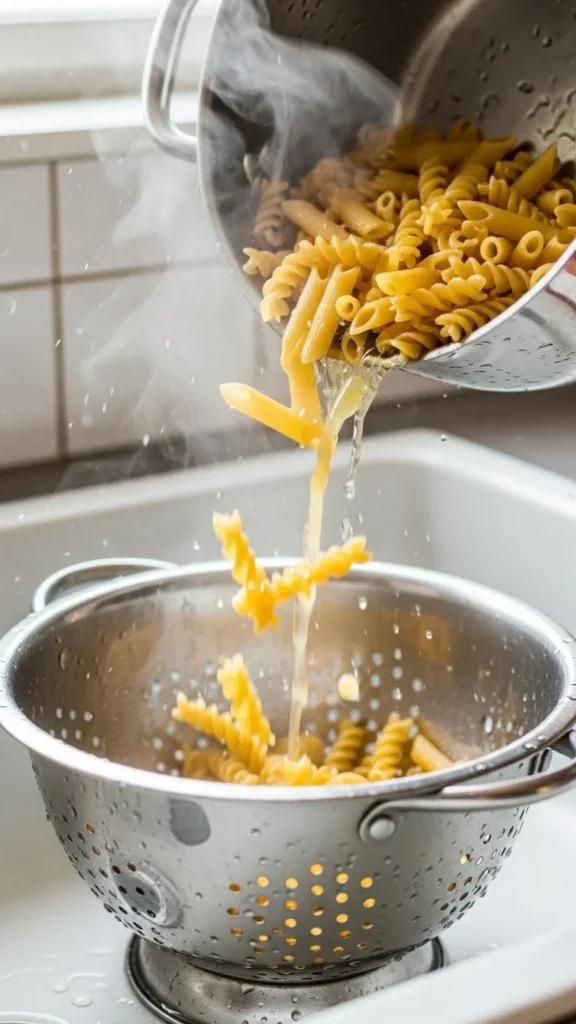
Drain Without Rinsing
Rinsing washes away the starch that helps sauces stick.
Best approach:
- Drain in a colander
- Shake lightly
- Transfer directly to your pan with the sauce
The heat helps the pasta absorb flavor immediately.
Finish Cooking in the Sauce
This is the secret restaurant technique for perfect texture.
Steps:
- Add the drained pasta to your sauce
- Mix on low heat for 1–2 minutes
- Use reserved pasta water to loosen if needed
This ensures the pasta and sauce become one cohesive dish.
How to Know It’s Truly Al Dente
Your pasta should:
- Hold its shape
- Have a slight resistance when bitten
- Taste tender but never mushy
- Look glossy, not over-softened
When it feels firm but pleasant, you’ve nailed it.
Final Takeaway
Cooking pasta al dente is simple: big pot, salted water, steady boil, early testing, and finishing in the sauce. Once you practice these steps a few times, you’ll achieve perfect pasta every single time.
Save this guide for your next pasta night and enjoy consistently delicious results!