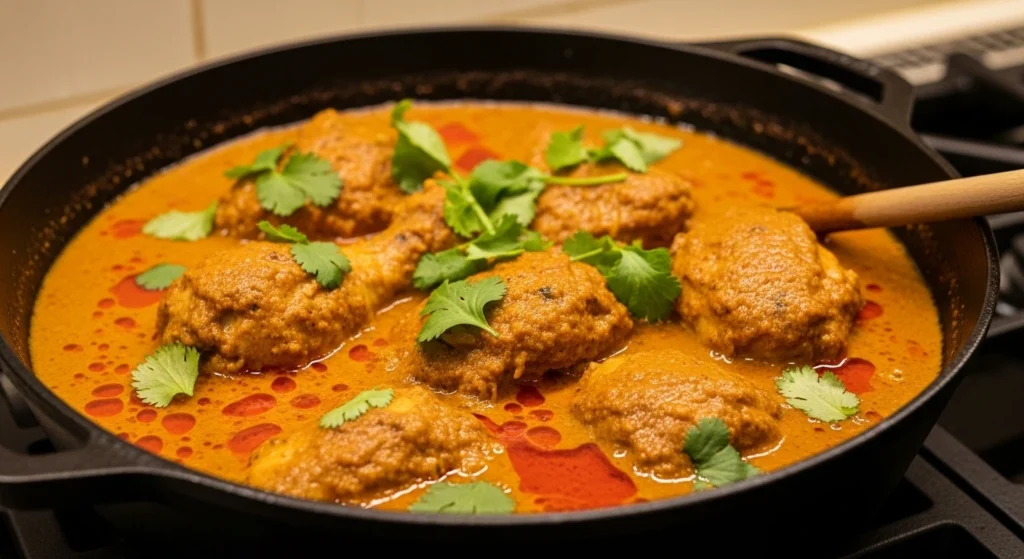
Authentic curry is not about complex ingredients. It is about how you build flavor. Most cooking mistakes happen when stages are rushed, especially the base and masala.
A proper curry follows a clear sequence. First you build the aromatic base, then cook the masala until fully developed, then add protein, and finally allow everything to simmer properly. When each stage is done correctly, even simple pantry ingredients produce a rich and balanced curry.
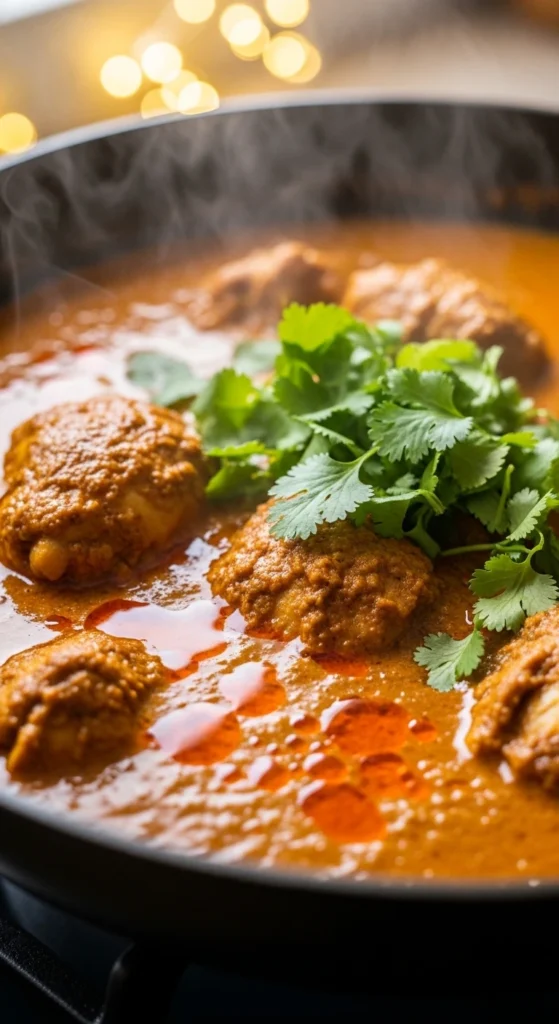
Build the Foundation: Onion Ginger Garlic Base
This base is responsible for the depth and body of the curry. The key is not just adding these ingredients but cooking them correctly.
- Finely chop or roughly blend onions
- Add ginger garlic paste
- Cook on medium heat
Cook until:
- Onions turn deep golden brown
- Texture becomes thick and slightly paste-like
- Oil begins to release from the sides
If this stage is rushed, the entire curry will taste raw and flat.
Step 1: Marinate for Better Texture and Flavor
Marinating improves both tenderness and internal seasoning.
Use:
- Yogurt
- Turmeric
- Salt
- Chili powder
Let the chicken rest for at least 20 to 30 minutes.
Why this works:
- Yogurt breaks down protein gently
- Spices absorb into the meat
- Texture remains soft after cooking
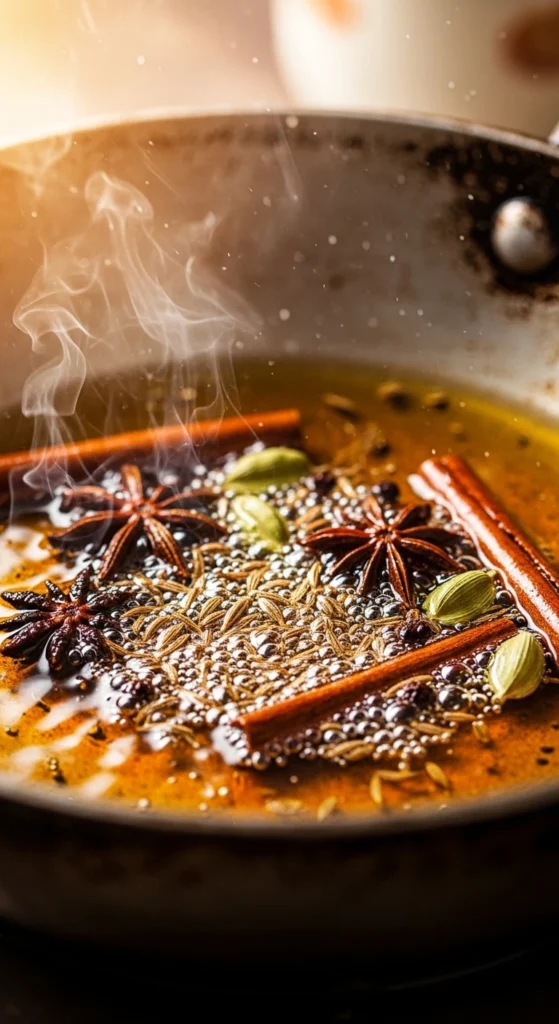
Step 2: Bloom Whole Spices in Oil
Whole spices need direct heat to release their aroma.
Add to hot oil:
- Cumin seeds
- Bay leaf
- Cinnamon stick
- Cloves
Let them crackle briefly before adding onions.
Step 3: Cook the Masala Until Oil Separates
This is the most important stage in curry making.
Add:
- Tomato puree
- Turmeric
- Coriander powder
- Cumin powder
- Chili powder
Cook patiently.
You will know it is ready when:
- Oil separates and rises to the surface
- The mixture thickens significantly
- Raw tomato smell disappears completely
This process develops the full flavor of the spices.
Step 4: Sear the Protein in the Masala
Add the marinated chicken directly into the masala.
Do not add water at this stage.
Cook until:
- Chicken is fully coated in masala
- Outer layer firms slightly
- Masala sticks to the meat
This locks flavor into the protein instead of diluting it.
Step 5: Add Liquid and Simmer Properly
Now add water depending on your preferred consistency.
- Less water for thick curry
- More water for gravy
Cover and cook on low heat.
Timing guide:
- 30 minutes for basic curry
- 60 to 90 minutes for deeper flavor
During simmering:
- Meat becomes tender
- Flavors combine fully
- Sauce thickens naturally
Step 6: Finish with Garam Masala and Fresh Elements
Final seasoning completes the curry.
Add at the end:
- Garam masala
- Fresh cilantro
- Optional lemon juice
Why this matters:
- Garam masala retains aroma when added late
- Fresh herbs balance richness
- Acid sharpens overall flavor
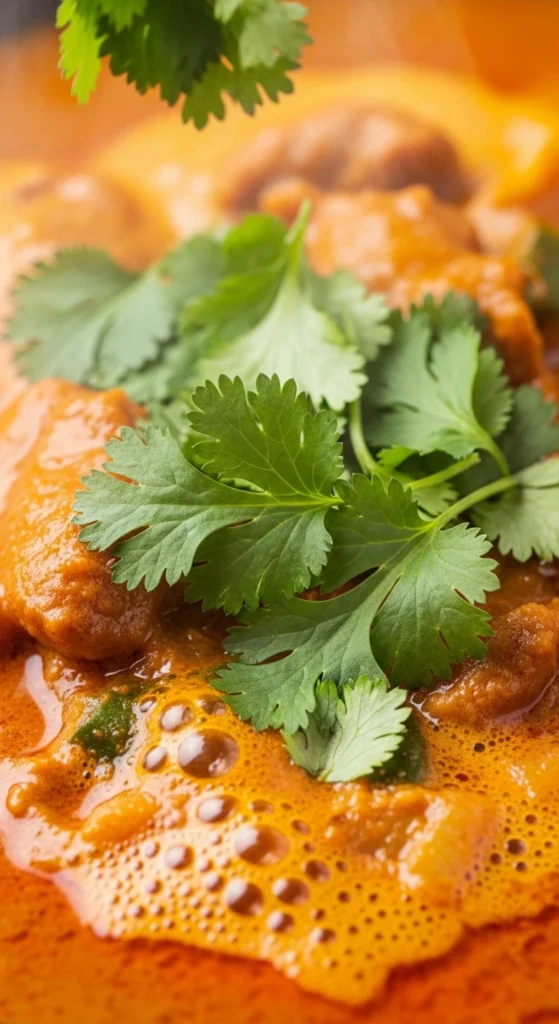
Optional Creamy Variation
For a richer texture, you can add:
- Coconut milk
- Cashew paste
- Cream
These additions soften spices and create a smoother sauce.
Practical Signs Your Curry Is Done
Instead of relying only on time, use these clear indicators:
- Oil visibly separates on top
- Sauce thickens and coats a spoon
- Meat becomes tender but not falling apart
- Aroma turns deep and well-rounded
Common Curry Mistakes and Fixes
Even when ingredients are correct, small mistakes in timing and technique can weaken the final result. These are the most common issues and how to correct them properly.
Undercooked Masala
This is the most common reason curry tastes raw or unfinished. Spices need time to cook in oil so their flavors develop fully.
If undercooked:
- Taste remains sharp or slightly bitter
- Color looks pale instead of deep
- Texture feels loose instead of thick
Fix:
Cook the masala longer on medium heat, stirring regularly. Wait until oil clearly separates and the mixture thickens before moving forward.
Adding Water Too Early
Water stops the frying process and prevents spices from developing depth.
This leads to:
- Weak, diluted flavor
- Thin consistency
- Lack of richness
Fix:
Always complete the masala stage first. Add water only after the mixture is fully cooked and oil begins to release.
Too Much Tomato
Tomatoes are essential, but excess creates imbalance.
When overused:
- Curry becomes overly tangy
- Spices feel muted
- Texture turns watery
Fix:
Cook tomatoes until the raw smell disappears. If already too tangy, balance with a pinch of sugar or a small amount of cream.
Not Browning Onions Properly
Onions build the foundation of flavor. If they are undercooked, the curry will lack depth.
Signs:
- Light color instead of golden brown
- Slight raw sweetness
- Flat overall taste
Fix:
Cook onions patiently until golden brown and slightly caramelized. This step cannot be rushed.
Overcrowding the Pan During Searing
Adding too much meat at once causes steaming instead of proper searing.
This results in:
- Watery base
- Weak flavor absorption
- Poor texture on the meat
Fix:
Cook in batches if needed. Give the meat space so it sears and holds the masala properly.
Skipping the Final Flavor Layer
Ending the curry without proper finishing reduces depth and aroma.
Without finishing:
- Flavor feels flat
- Aroma is incomplete
- Dish lacks brightness
Fix:
Always finish with garam masala, fresh herbs, and optional lemon juice to balance and lift the flavors.
Final Thoughts
Once you understand the flow, curry stops feeling complicated. You are not guessing anymore, you are following a clear structure.
Focus on cooking the base properly, give the masala enough time, and let the curry simmer without rushing. These small habits are what turn simple ingredients into a rich, deeply flavored dish that you can repeat consistently.