

Soft dough is the foundation of countless homemade foods, from flatbreads and rolls to pastries and bakery-style bakes. When the dough is mixed, kneaded, and rested correctly, it becomes easy to handle and cooks into a tender, well-structured final product. This guide walks through the full process so you can confidently make soft dough that works across many recipes.
Understand What Makes Dough Soft
Soft dough is not about adding more water or kneading harder. It comes from a balance of hydration, gluten development, fat, and rest. Whether you are working on a dough recipe easy enough for daily use or preparing homemade pastry dough, the same principles apply.
Soft dough should feel:
- Smooth, not rough
- Slightly tacky, not sticky
- Elastic, but relaxed when pressed
Choose The Right Ingredients
Soft dough starts long before kneading. The type of flour, liquid, fat, and even salt you use directly affects how tender and workable the dough becomes.
Flour Selection
Flour affects softness more than most people realize. All-purpose flour works for most homemade foods to make, while bread flour creates stronger structure for rolls and pizza. For simple pastry dough, lower-protein flour keeps the texture tender.
Liquid Choice
Water is most common, but milk adds softness and richness. Warm liquid helps activate yeast and improves hydration, especially when learning how to make pastry dough step by step.
Aim for liquid that feels warm to the touch, not hot.

Mix The Dough Properly
Start by combining flour and liquid until no dry flour remains. At this stage, the dough will look rough and uneven. That is normal. Do not add extra flour immediately.
Allow the dough to absorb moisture first. This step is essential for achieving soft dough across different types of dough, including bread, flatbread, and DIY pastry dough.
Quick Check Before Moving On
Before kneading or resting, make sure:
- No dry flour remains in the bowl
- The dough feels moist, not dry
- You have not added extra flour yet
If those boxes are checked, you are exactly where you should be.
Knead Until Smooth And Elastic
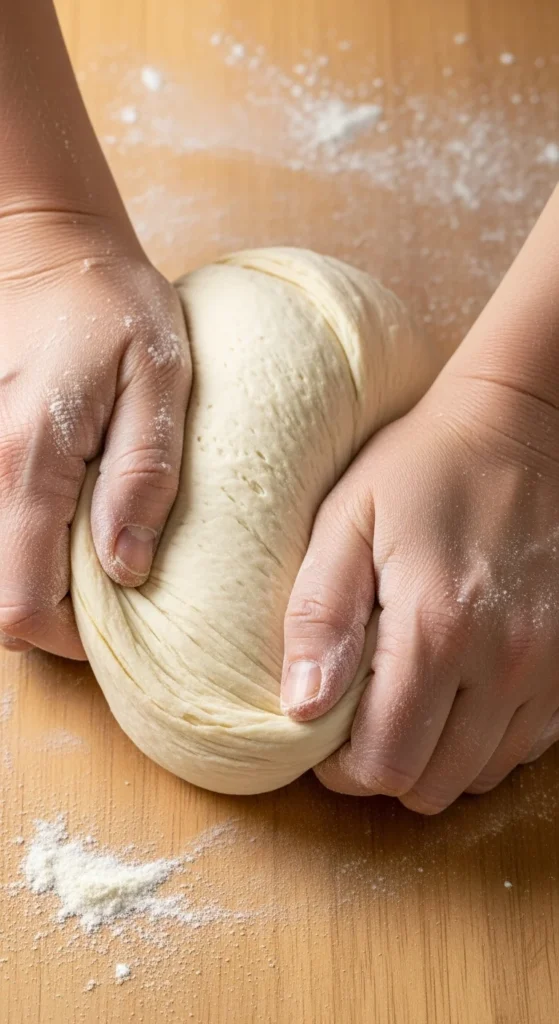
Kneading develops gluten, which gives dough structure. Knead by pushing the dough away with the heel of your hand, folding it back, and turning it.
The dough is ready when:
- It feels smooth
- It springs back slowly when pressed
- It no longer tears easily
For wetter doughs, gentle stretch-and-fold techniques work well and are often used in best bakery recipes.
Rest The Dough To Improve Softness
Resting allows gluten to relax and moisture to distribute evenly. This step is critical and often rushed.
After kneading:
- Cover the dough
- Rest for 20 to 30 minutes
This rest improves rollability, softness, and final texture, especially when making homemade pastry dough or preparing dough for puff pastry dough recipes.
Add Fat For Tender Dough
Fat coats gluten strands and keeps dough tender. Butter, oil, or milk should be added after the dough has partially developed.
This step is especially helpful when making:
- Simple pastry dough
- Enriched bread dough
- Soft dinner rolls
Add fat gradually and knead just until incorporated.
Let The Dough Rise Correctly
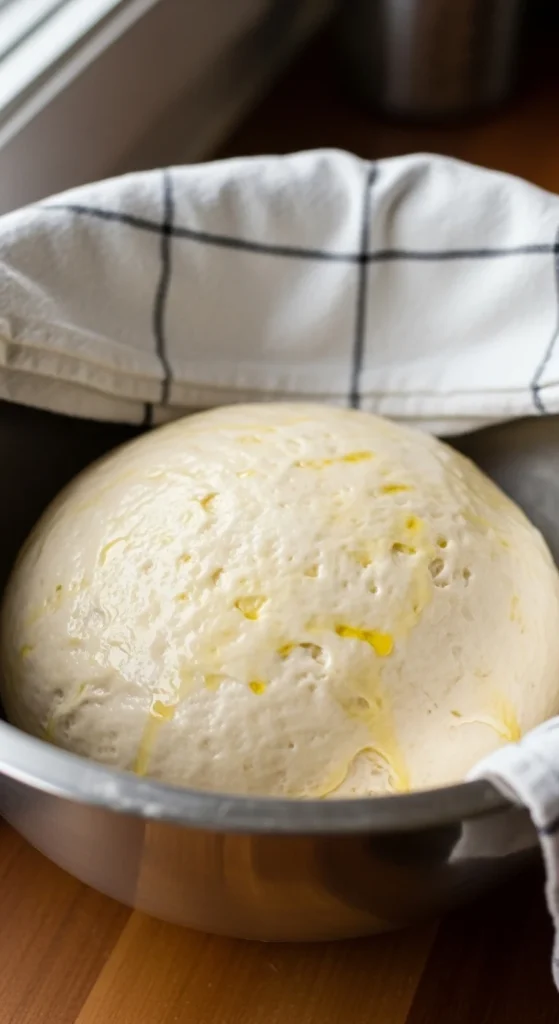
Place the dough in a lightly oiled bowl and cover it. Let it rise in a warm, draft-free area until doubled in size.
Proper proofing ensures:
- Light texture
- Even crumb
- Softer final result
This applies whether the dough is used immediately or adapted for different types of dough later.
Shape And Use The Dough
Once risen, gently press out excess air. The dough is now ready to shape according to your recipe.
This base dough can be used for:
- Flatbreads and wraps
- Pizza bases
- Filled pastries
- Homemade pastry dough applications
- Puff pastry dough recipes with further lamination
Handle gently to preserve softness.

Common Dough Problems And How To Fix Them
If the dough feels too sticky, resist adding large amounts of flour. Instead, lightly oil your hands and surface. Sticky dough usually firms up during resting.
If the dough feels tight or hard to roll, it needs more rest. Cover it and wait another 10 minutes.
If the dough tears easily, it needs a bit more kneading to strengthen the gluten.
Final Thoughts
Soft dough is a skill that improves everything you cook. Once you understand how hydration, kneading, resting, and fat work together, you can confidently prepare a wide range of homemade foods to make without relying on complicated formulas.
This method adapts easily, whether you are working on a dough recipe easy enough for everyday meals or refining techniques used in best bakery recipes.
Save this guide, repeat the process, and adjust it to match your kitchen and recipes.

Leave a Reply