

Meatloaf is classic comfort food for a reason. It uses simple pantry staples, requires minimal prep, and turns basic ground beef into a moist, satisfying dinner. The key to an easy meatloaf isn’t fancy ingredients, its understanding moisture balance, proper mixing, and the right baking temperature. Once you master those, you can make a juicy, flavorful loaf anytime without a grocery run.
Why Pantry Staples Work So Well
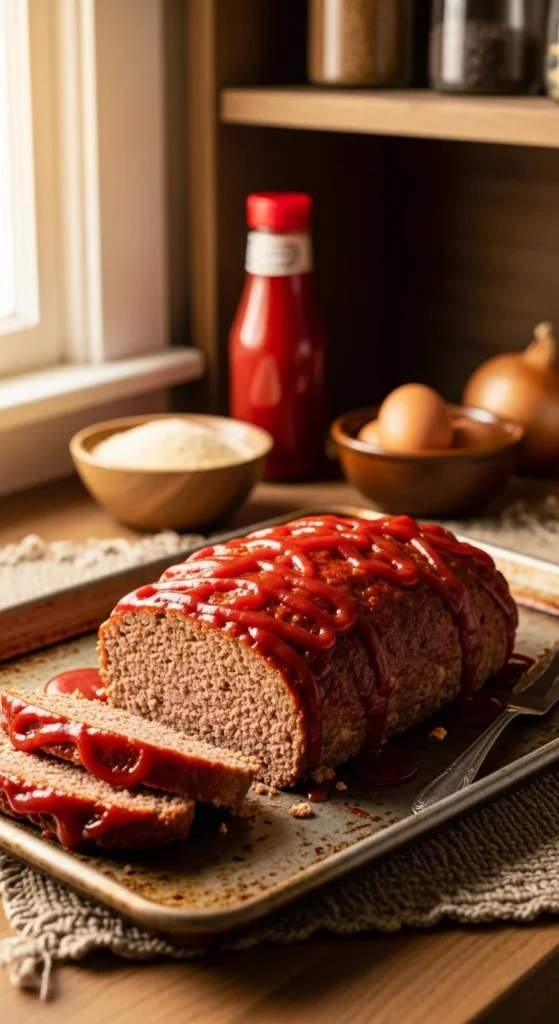
Most traditional meatloaf recipes rely on the same core ingredients:
- Ground beef (80/20 or 90/10)
- Breadcrumbs or panko
- Milk
- Eggs
- Ketchup
- Onion or onion powder
- Garlic or garlic powder
This combination works because it balances fat, moisture, and structure.
Milk soaks into breadcrumbs, creating a tender texture. Eggs act as binders. Ketchup adds both moisture and acidity. Worcestershire sauce adds depth and umami without requiring extra chopping.
You do not need fresh herbs, vegetables, or complicated additions to get excellent results.
Step 1: Choose the Right Ground Beef
The best texture comes from either:
- 80/20 ground beef for richer flavor
- 90/10 ground beef for less grease pooling
Too lean can result in dryness. Too fatty can create excess grease. For most home cooks, 85/15 is the ideal middle ground.
Step 2: Build Moisture the Right Way
Dry meatloaf is usually caused by one of two mistakes: overmixing or insufficient moisture.
Here’s the proper moisture method:
- Combine breadcrumbs with milk first.
- Let them sit for 2–3 minutes to absorb.
- Add eggs and seasonings.
- Add ground beef last.
This ensures the binder hydrates properly before being mixed into the meat.
Avoid dumping dry crumbs directly into the beef. That creates a dense texture.
Step 3: Mix Gently — Don’t Overwork It
Overmixing compresses the meat and squeezes out moisture.
Use your hands and mix just until combined.
Stop when:
- The ingredients look evenly distributed.
- There are no visible streaks of egg.
- The mixture holds together when pressed.
Do not knead it like bread dough.
Step 4: Shape a Free-Form Loaf
A sheet pan produces better texture than a loaf pan because it allows:
- Air circulation
- Even browning
- Crispier edges
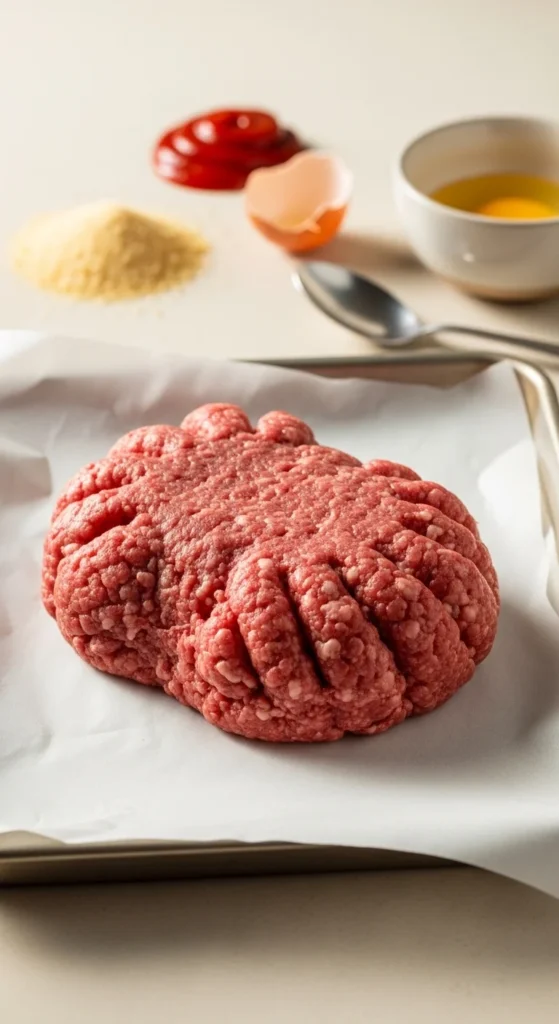
Shape the mixture into a compact loaf on a lined baking sheet. Do not pack it tightly.
Step 5: Add the Classic Ketchup Glaze
The glaze is what makes meatloaf nostalgic and visually appealing.
Basic glaze formula:
- ½ cup ketchup
- 1–2 tablespoons brown sugar
- Optional splash of Worcestershire sauce
Spread evenly over the loaf before baking.
For deeper caramelization, brush a second layer during the last 10 minutes.
Optional twist ideas:
- Add BBQ sauce for smokiness.
- Add a small splash of vinegar for tang.
- Broil for 2–3 minutes at the end for a glossy finish.
Step 6: Bake at the Right Temperature
The standard temperature range is:
- 350°F to 375°F
Bake for 45–60 minutes depending on thickness.
Internal temperature should reach:
- 160°F in the center
Avoid high heat. It dries the exterior before the inside cooks through.
Step 7: Let It Rest Before Slicing
This step is often skipped.
Rest the meatloaf for:
- 5–10 minutes after removing from the oven.
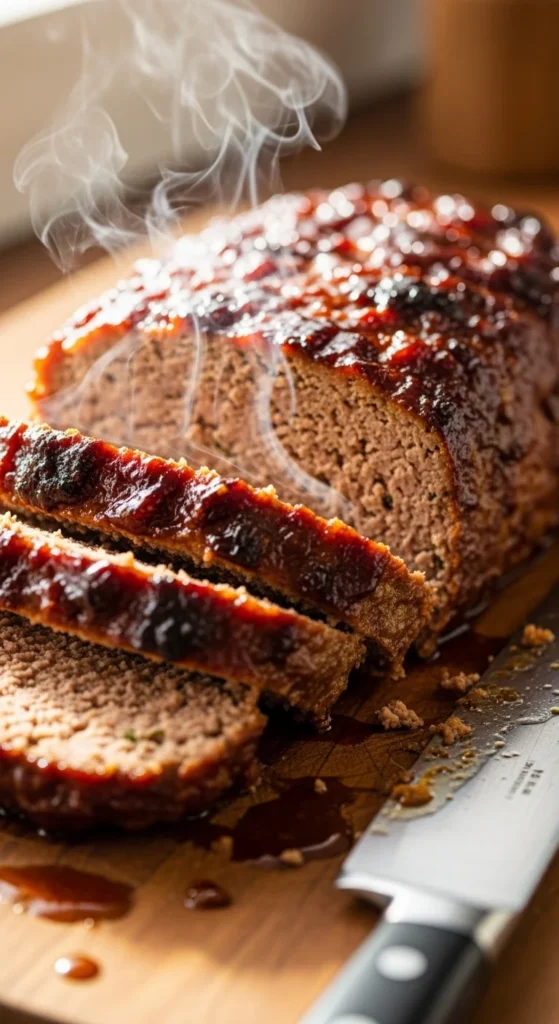
This allows juices to redistribute and prevents crumbly slices. Use a sharp knife and slice cleanly.
Common Meatloaf Mistakes That Ruin Texture and Flavor
Even simple pantry meatloaf can go wrong when a few small details are ignored. Avoiding the following mistakes makes the difference between a dry loaf and a tender, juicy result.
Overmixing the Meat
Many cooks treat meatloaf like dough and keep mixing until everything feels perfectly smooth. Ground beef becomes dense when handled too much. Mix gently using your hands and stop as soon as ingredients are evenly combined.
Using Beef That Is Too Lean
Extra-lean ground beef sounds healthier but often produces dry slices. Fat carries moisture and flavor during baking. Choose 80/20 or 85/15 beef for the best balance without excessive grease.
Skipping the Milk and Breadcrumb Step
Dry breadcrumbs added directly into meat absorb moisture during baking instead of contributing tenderness. Always soak breadcrumbs in milk first so they act as a moisture binder rather than a sponge.
Baking at High Heat
Turning up the oven to cook faster dries the exterior before the inside finishes cooking. Meatloaf cooks best slowly at 350°F to 375°F where heat distributes evenly.
Cutting Immediately After Baking
Slicing right away releases juices onto the cutting board instead of keeping them inside the meat. Let the loaf rest for at least five to ten minutes so slices stay clean and moist.
Pantry Swaps That Still Work
If you’re missing breadcrumbs, try:
- Crushed crackers
- Stuffing mix
- Oats
- Grated parmesan (for low-carb option)
If you’re avoiding gluten:
- Skip breadcrumbs entirely and increase egg slightly
- Use almond flour
These substitutions maintain structure while keeping the recipe flexible.
Make It a One-Pan Dinner
You can turn this into a full meal by adding vegetables around the loaf:
- Baby potatoes
- Carrots
- Green beans
Drizzle lightly with oil and roast alongside the meatloaf.
This reduces cleanup and keeps dinner simple.
Final Thoughts
Easy meatloaf is not about complexity. It’s about balance.
Use the right fat ratio, hydrate your breadcrumbs, mix gently, bake at moderate heat, and let it rest. Those five habits guarantee a moist, flavorful loaf every time.
With nothing more than ground beef and pantry staples, you can create a comforting, weeknight dinner that feels timeless and reliably delicious.

Leave a Reply