There is a reason people keep searching for that “just like mom’s” taste. It is not only about ingredients. It is about texture, balance, and small habits that make the whole dish feel comforting instead of average.
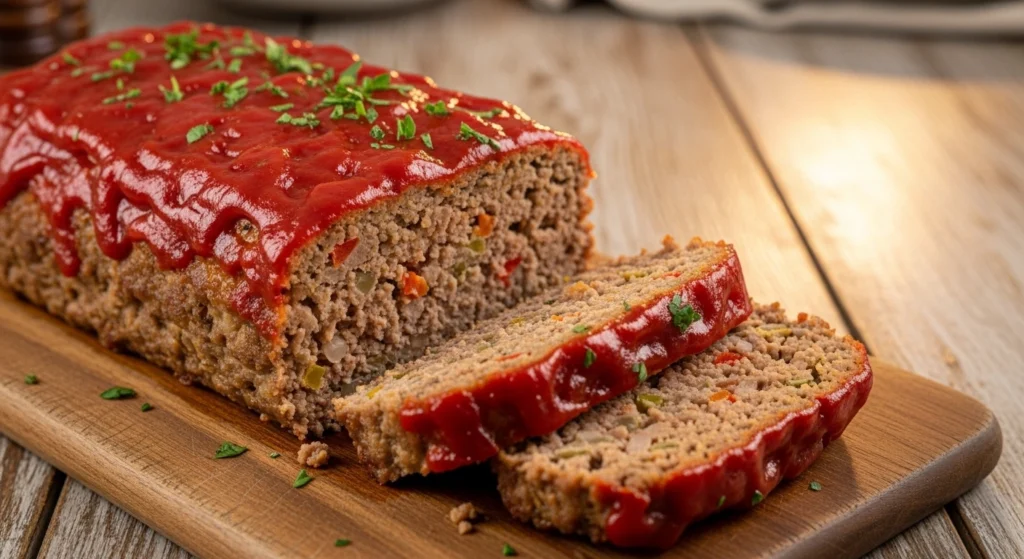
A good meatloaf should feel tender, hold together when sliced, and have that slightly sweet, caramelized glaze on top. Once you understand what actually creates that result, it becomes easy to repeat every time.
Build the Base That Keeps It Tender
The biggest difference between dry meatloaf and soft, juicy meatloaf comes from how you build the base before baking.
Most classic versions rely on a simple structure that works consistently
- Breadcrumbs soaked in milk create moisture
- Eggs act as binders
- Onions add flavor and softness
- A small amount of liquid keeps the mixture loose
This combination forms what is known as a panade. It locks in moisture and prevents the meat from tightening during cooking.
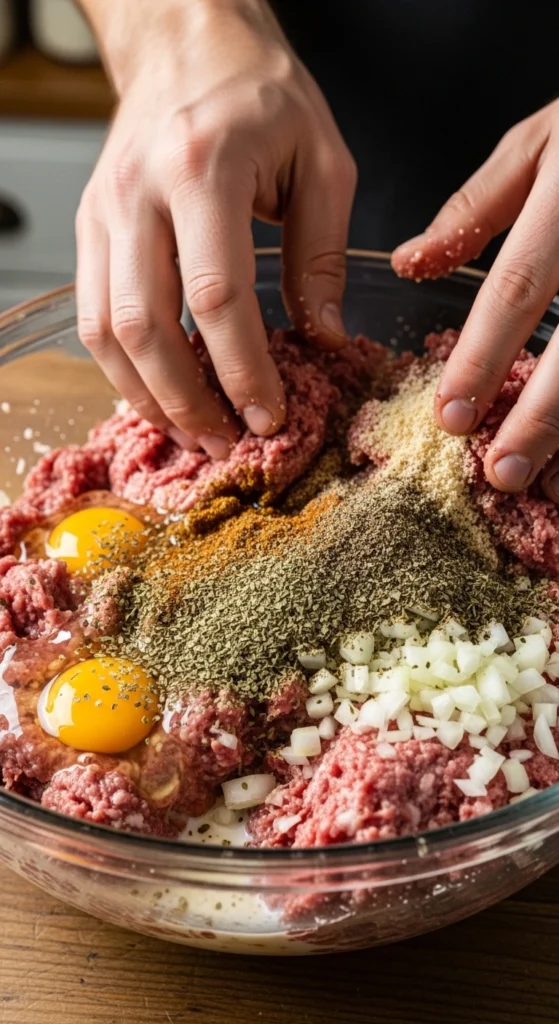
Always mix these ingredients first, then add the meat at the end. This reduces overmixing and keeps the texture light instead of dense.
Choose the Right Meat for That Classic Texture
The type of meat you choose directly affects both flavor and texture. For that traditional homemade result:
- Ground beef with some fat gives the best balance
- A mix of beef and pork adds richness
- Lean meats like turkey need extra moisture support
Too lean leads to dryness. Too fatty leads to heaviness. The goal is a balanced mixture that stays juicy without feeling greasy.
Shape and Setup for Better Results
How you shape the meatloaf changes how it cooks.
Using a loaf pan traps moisture and limits browning. A free-form loaf on a baking tray allows better airflow and texture.
This method helps
- Create a light crust on the outside
- Prevent excess grease from pooling
- Improve overall structure
It also gives a more homemade feel instead of a steamed texture.
The Glaze That Brings Everything Together
The glaze is what gives homemade meatloaf its signature flavor.
A simple balance works best
- Ketchup for richness
- Brown sugar for sweetness
- Vinegar or Worcestershire for depth
Apply part of the glaze before baking and the rest halfway through. This layering builds a slightly sticky, caramelized top.
That contrast between savory meat and sweet glaze is what makes it feel familiar.
Bake It Without Guesswork
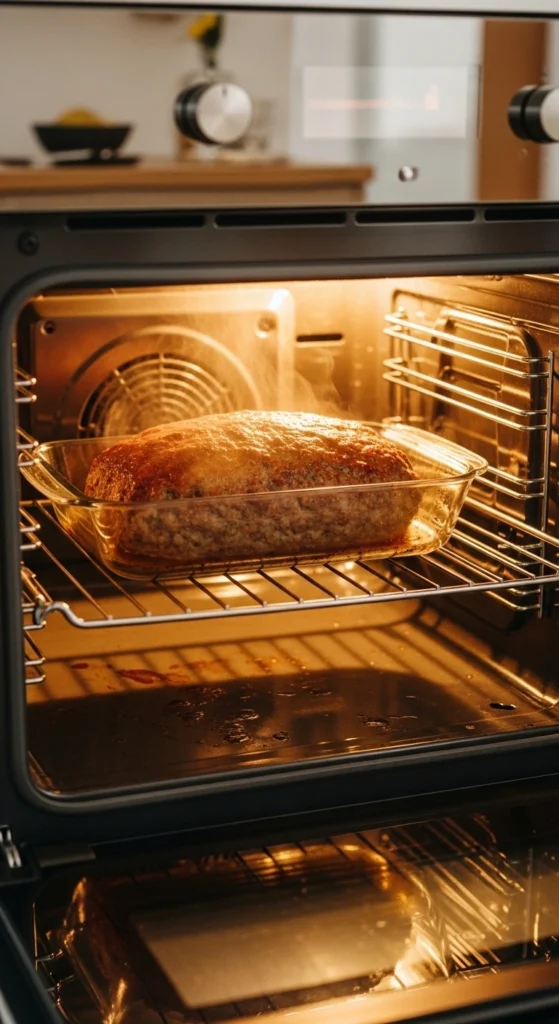
You do not need complicated techniques to get this right.
A simple method works consistently
- Bake at 350°F
- Cook until internal temperature reaches 160°F
- Add glaze midway through cooking
Instead of relying only on time, pay attention to visual cues
- The top should look set and slightly glossy
- The loaf should feel firm but not hard
Using a thermometer helps you avoid overcooking while keeping the texture perfect.
Let It Rest Before Slicing
This step is often overlooked, but it makes a noticeable difference.
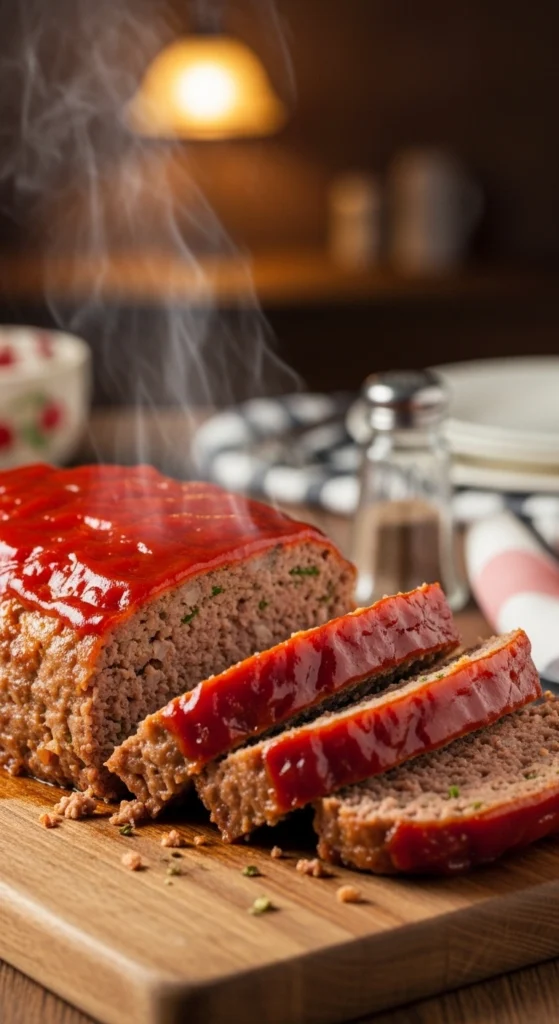
Right after baking, the juices inside are still moving. Cutting too early causes the meatloaf to fall apart and lose moisture.
Let it rest for about 10 minutes
- The structure firms up
- Slices hold their shape
- The texture becomes more balanced
This is one of the simplest ways to improve your final result.
Common Problems in Homemade Meatloaf and How to Fix Them
Small mistakes can completely change the texture and flavor of homemade meatloaf, but each issue has a simple fix once you understand what is going wrong.
Dry Meatloaf
Dry homemade meatloaf usually comes from using meat that is too lean, skipping the milk and breadcrumb base, or cooking it for too long. Adding a proper panade and choosing meat with some fat keeps the inside tender without making it greasy.
Meatloaf Falling Apart
When homemade meatloaf does not hold together, it often means the mixture lacks proper binding or was sliced too early. Eggs and breadcrumbs provide structure, while resting allows everything to settle before cutting.
Dense and Tough Texture
A dense homemade meatloaf is usually the result of overmixing. The mixture should feel soft and slightly loose, not tightly packed. Mixing gently and stopping early keeps the texture tender.
Greasy or Heavy Result
If homemade meatloaf feels too heavy, excess fat is usually trapped during cooking. Baking it free-form instead of in a loaf pan allows the fat to drain away and keeps the texture balanced.
Bland Flavor
Bland homemade meatloaf happens when flavor layers are missing. Adding sautéed onions, Worcestershire sauce, and a well-balanced glaze builds depth without making the recipe complicated.
Small Details That Make It Feel Like Home
These small habits are often overlooked, but they make a big difference
- Mixing with your hands gives better control over texture
- Slightly rough shaping creates a more natural finish
- Layering glaze builds better flavor
- Letting it rest improves slicing and structure
These are the details that turn a basic recipe into something that actually feels homemade.
Final Thoughts
This dish works because everything about it is simple and familiar. Nothing feels complicated, but every step quietly adds to the final result.
When those small details come together, the texture feels right, the flavor feels balanced, and it ends up tasting the way people remember it.