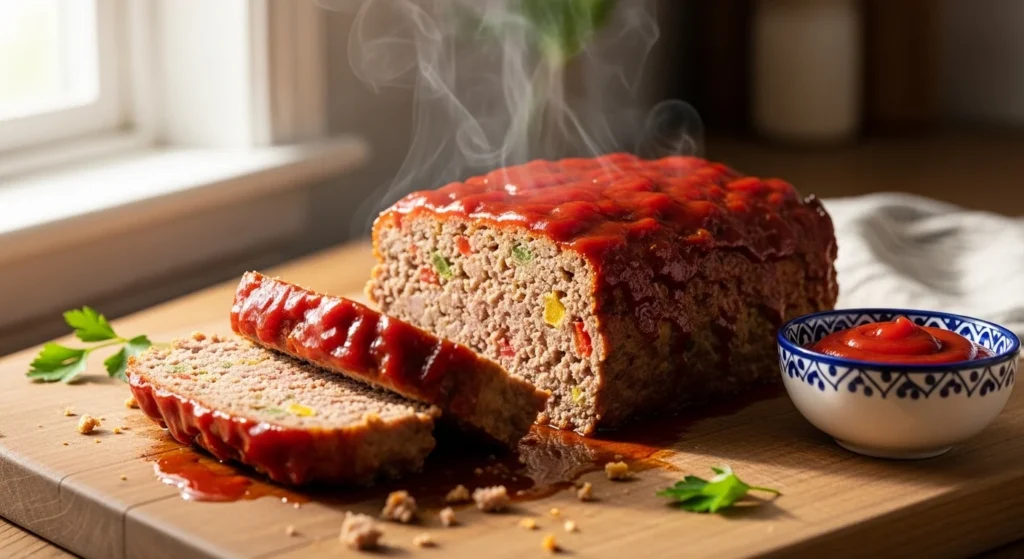
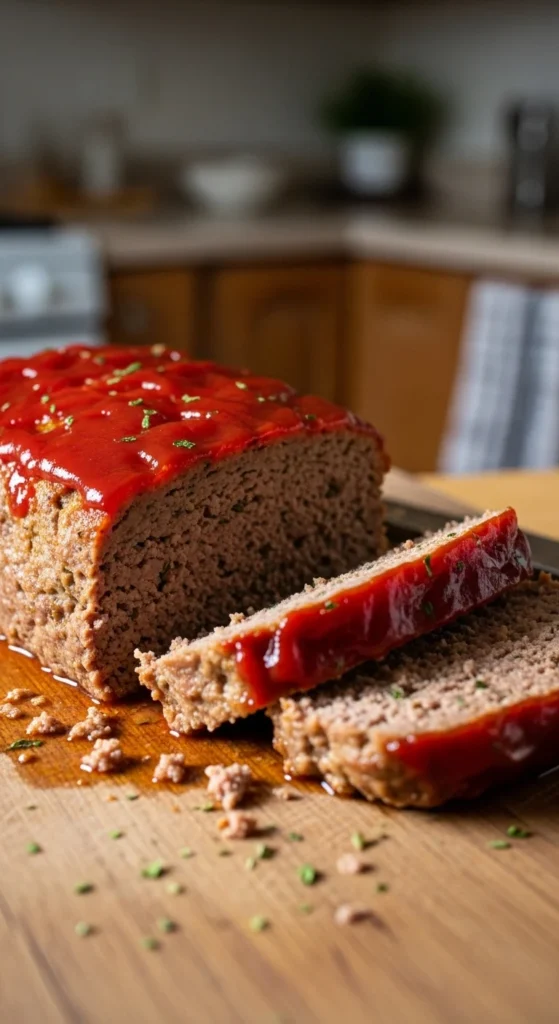
Making meatloaf that stays moist every time comes down to understanding a few key fundamentals. Most dry meatloaf problems come from using lean meat, skipping moisture binders, or overcooking. When done correctly, meatloaf should be tender, juicy, and hold together without falling apart.
The goal is simple. Build moisture into the mixture, protect it during cooking, and avoid losing it at the end.
Build Moisture Into the Base
Moisture starts before the meat ever goes into the oven. The right ingredients make the biggest difference.
Focus on these essentials
- Use 80 20 ground beef or ground chuck for enough fat
- Soak breadcrumbs or bread in milk to create a soft panade
- Add eggs for binding and richness
- Include Worcestershire sauce for depth and moisture
- Mix in a small amount of milk or broth for tenderness
These ingredients work together to hold water inside the meat while it cooks
Cook Your Vegetables First
Raw vegetables release water too late and can create uneven texture. Cooking them first improves both flavor and moisture distribution.
- Sauté onions until soft and slightly golden
- Add finely grated carrots or celery for hidden moisture
- Let vegetables cool before mixing into the meat
This step prevents crunchy bits and adds natural juiciness throughout the loaf
Mix Gently for a Tender Texture
Overmixing is one of the most common reasons meatloaf turns dense and dry.
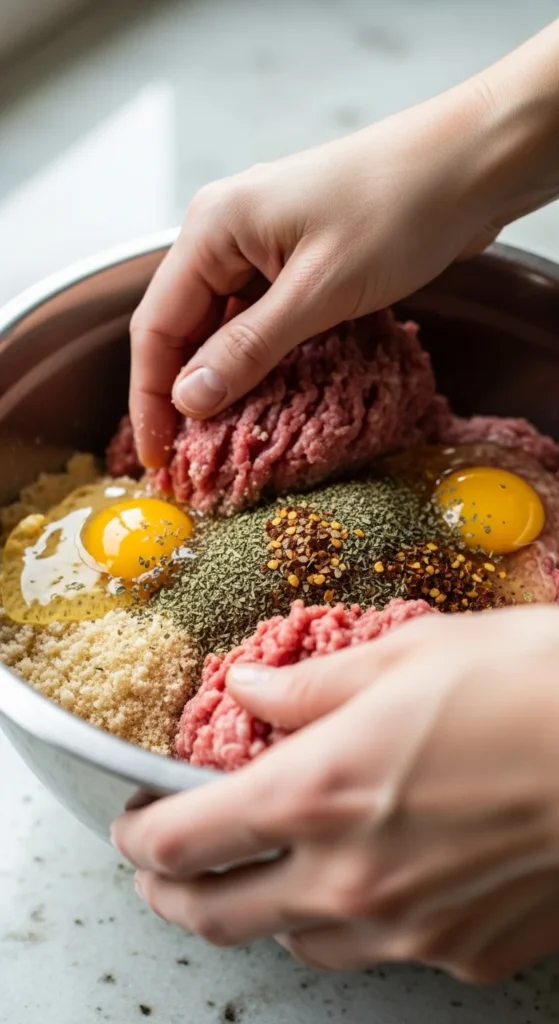
- Combine non meat ingredients first
- Add meat last and mix lightly
- Stop as soon as everything is evenly combined
The mixture should feel soft, not compact
Shape and Bake the Right Way
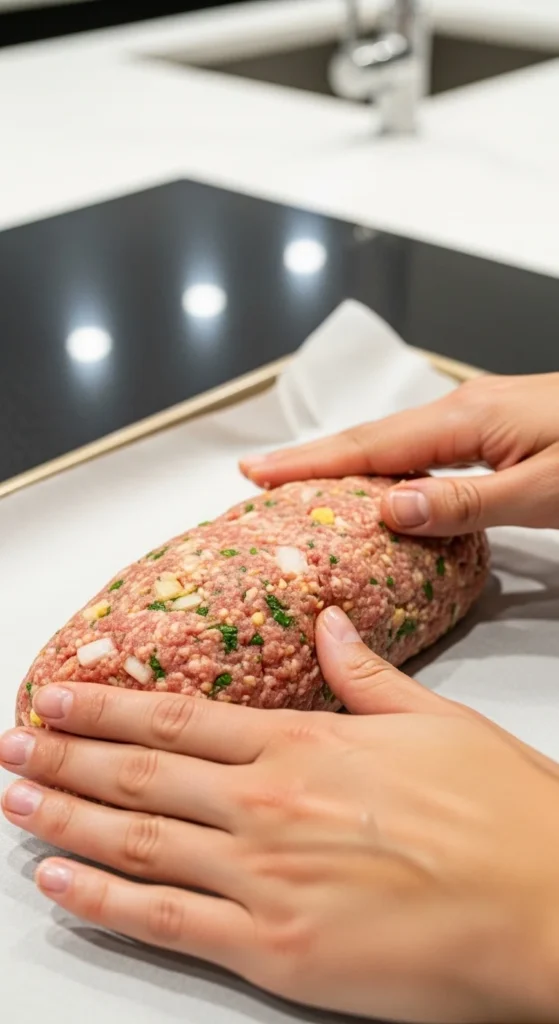
How you bake meatloaf affects how much moisture it retains
- Shape a free form loaf on a sheet pan instead of using a loaf pan
- Keep space around the loaf for even heat circulation
- Cover loosely with foil during the first part of baking
- Remove foil later to develop a crust
A free form loaf allows excess fat to drain while keeping the inside juicy
Use the Right Temperature and Timing
Cooking temperature controls moisture retention more than anything else
- Bake at 350 degrees for even cooking
- Cook until internal temperature reaches 160 degrees
- Use a meat thermometer instead of guessing
Avoid high heat because it dries out the exterior before the inside finishes
Add a Glaze That Locks in Juices
A glaze is not just for flavor. It helps seal moisture inside
- Combine ketchup and brown sugar for a classic glaze
- Spread it during the final stage of baking
- Let it caramelize slightly for a rich finish
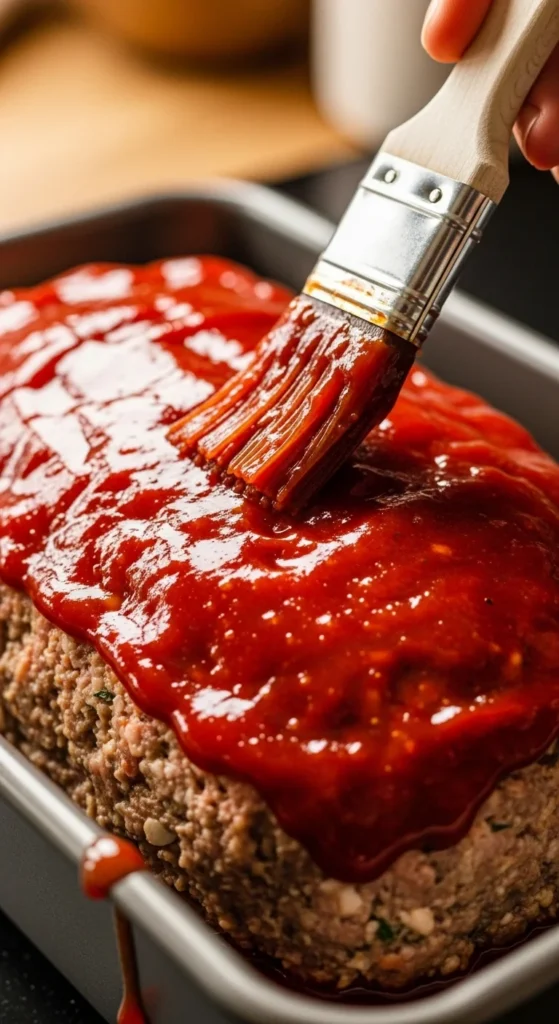
This creates a protective layer while adding sweetness and depth
Let It Rest Before Slicing
Cutting too early releases all the juices you worked to keep
- Rest for 10 to 15 minutes after baking
- Allow juices to redistribute inside the loaf
- Slice only after it has settled
This step alone can completely change the final texture
Moisture Boosting Techniques That Make a Difference
These small upgrades can take your meatloaf to the next level
- Add tomato paste or ketchup inside the mixture
- Use quick oats instead of breadcrumbs for extra moisture retention
- Add a drizzle of olive oil if using lean meat
- Place a tray of water in the oven to create humidity
- Test seasoning with a small cooked piece before baking
These techniques solve multiple common issues at once
Common Problems and How to Fix Them
Following are the mistake that you should avoid:
Dry and Crumbly Texture
Dry meatloaf usually comes from using meat that is too lean or skipping moisture elements like panade. Switching to 80-20 ground beef and adding milk soaked breadcrumbs fixes this by locking moisture inside the mixture.
Dense and Heavy Meatloaf
A dense texture happens when the mixture is overmixed or pressed too tightly. Mixing gently and stopping as soon as everything is combined keeps the loaf soft and tender instead of compact.
Greasy but Still Dry Result
This happens when there is fat but not enough binders to hold it properly. Adding eggs and the right amount of breadcrumbs balances the mixture so moisture and fat stay evenly distributed.
Meatloaf Falling Apart
When meatloaf does not hold its shape, it usually lacks structure or is sliced too early. Using enough eggs and allowing it to rest for 10 to 15 minutes helps it firm up and cut cleanly.
Bland Flavor
Bland meatloaf comes from under seasoning or missing depth ingredients. Adding Worcestershire sauce, seasoning properly, and testing a small cooked portion before baking ensures a balanced final flavor.
Final Thoughts
Once you get these basics right, meatloaf becomes one of the easiest and most reliable meals you can make.
You stop worrying about dryness and start focusing on flavor and texture.
It turns into a recipe you can adjust based on what you have, while still getting consistent results every time.