

A good roux is one of the most useful skills in the kitchen. It is the base for creamy soups, gravies, mac and cheese, and many classic sauces. When done right, it gives body, smooth texture, and deep flavor. When done wrong, it turns lumpy, raw-tasting, or burnt.
The good news is that roux is simple once you understand the method. This guide shows you exactly how to make a perfect roux for thickening sauces and soups with confidence.
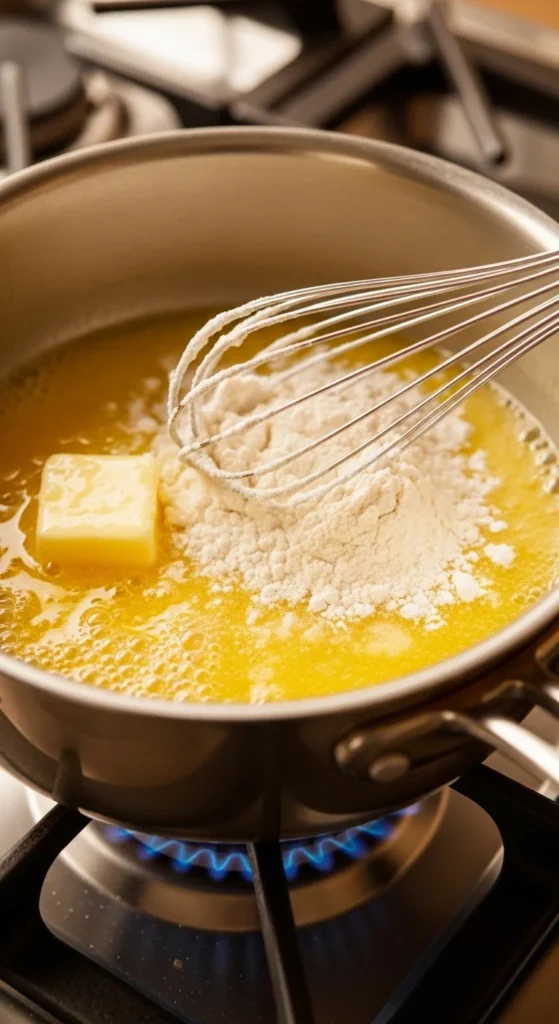
What Is a Roux
A roux is a mixture of fat and flour cooked together and used as a thickening agent. The flour provides starch for thickening, and the fat helps it cook smoothly into sauces.
Roux for thickening sauces is used in dishes like béchamel, cheese sauce, gravy, chowder, and gumbo. Once you learn it, many recipes become easier.
Roux Ingredients and Ratio
The foundation of any roux sauce recipe is equal parts fat and flour.
Use
- 1 tablespoon fat
- 1 tablespoon flour
This amount thickens about 1 cup of liquid.
Common Roux Ingredients
- Butter for creamy sauces
- Oil for darker roux or high-heat cooking
- Drippings for gravies
Butter is popular for white and blonde roux. Oil is often better for brown or Cajun-style roux because it handles longer cooking.
Steps for Making a Roux for Sauce
Here is a simple, practical method you can follow every time to make a smooth, lump-free roux for soups and sauces.
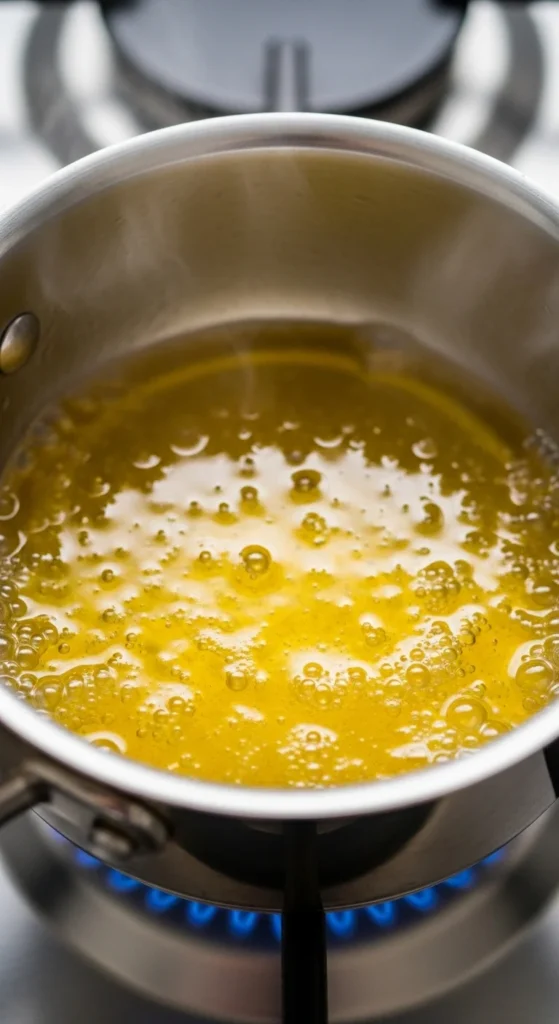
Melt the Fat
Place a pan over low to medium heat. Add your butter or oil and let it heat gently. Do not rush this step with high heat.
Add the Flour
Sprinkle in the flour and start whisking right away. A whisk works better than a spoon because it keeps the mixture smooth.
Keep stirring so the flour absorbs the fat evenly.
Cook and Stir
This is where your roux develops.
- Stir constantly
- Keep heat low to medium
- Scrape the bottom and corners of the pan
The roux will first look like a paste, then loosen slightly as it cooks.
A nutty aroma is a key sign that it is cooking properly.
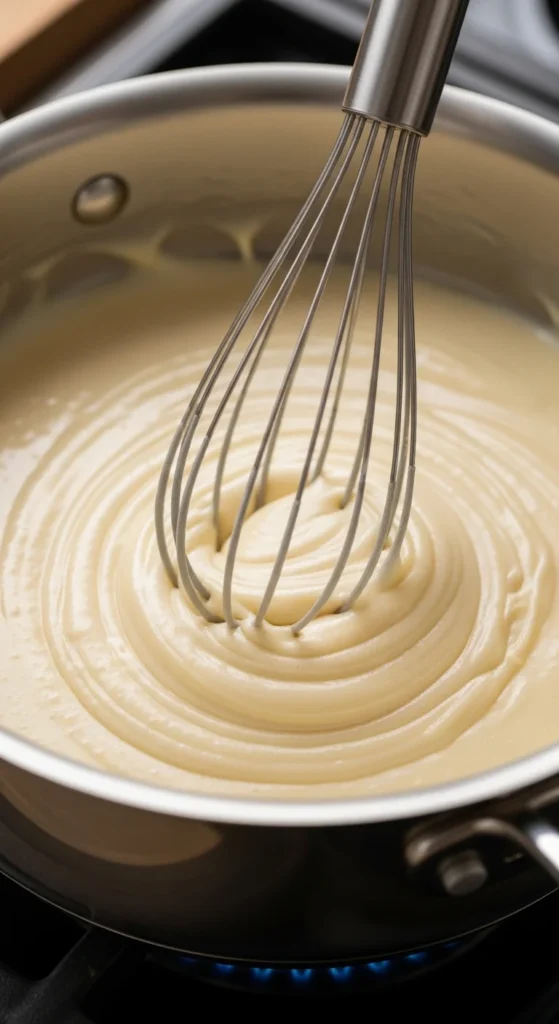
Add Liquid Gradually
Pour in your liquid a little at a time while whisking. This prevents lumps and helps the sauce stay smooth. Let the mixture thicken before adding more liquid.
Roux Colors and When to Use Them
Here is how you can use roux colors:
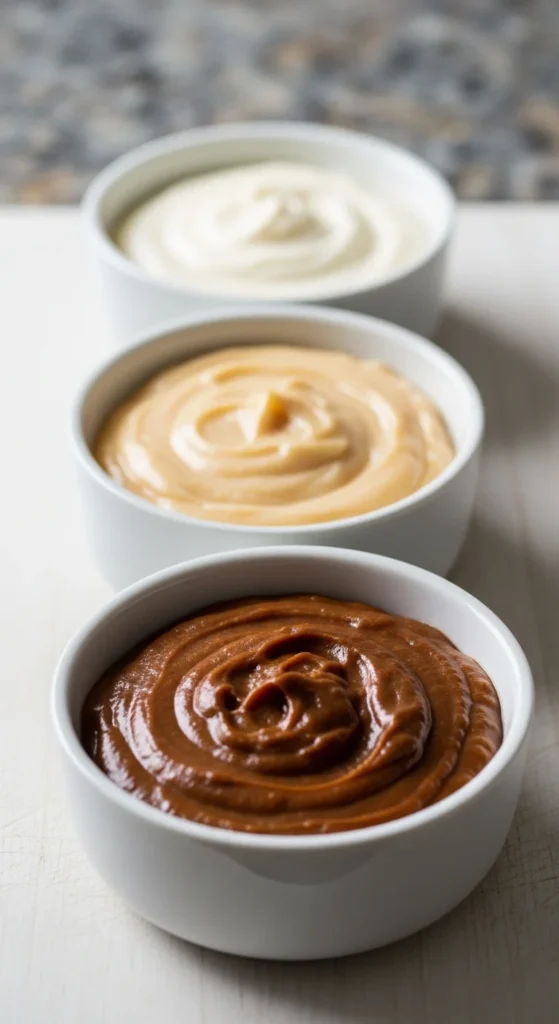
White Roux
Cook for about 2 to 5 minutes. Color stays pale.
Best for
- Milk-based soups
- Cream sauces
- Cheese roux recipe for mac and cheese
White roux has the strongest thickening power.
Blonde Roux
Cook for about 5 to 15 minutes. Light golden color and mild nutty smell.
Good for
- Chowders
- Velouté
- Sausage gravy
It adds flavor while still thickening well.
Brown Roux
Cook for 30 minutes or more. The color turns deep brown.
Used for
- Gumbo
- Cajun dishes
- Rich gravies
Darker roux gives more flavor but less thickening because the starch breaks down as it browns.
How to Add Liquid Without Lumps
Lumps usually happen when liquid is added too fast.
For a smooth roux sauce
- Add liquid slowly
- Whisk while pouring
- Let the sauce loosen gradually
A helpful rule is to combine hot roux with cooler liquid, or cool roux with warm liquid. Big temperature differences reduce clumping.
Common Mistakes to Avoid
Roux is forgiving, but a few habits make a big difference.
1. Cooking on high heat often burns the flour and creates bitterness. Slow cooking gives control and better flavor.
2. Undercooking leaves a raw flour taste. If it smells like plain flour, it needs more time.
3. Rushing the liquid step leads to lumps. Patience here saves your sauce.
4. Stopping stirring allows scorching on the bottom. Continuous movement keeps it smooth.
Using Roux for Cheese Sauce
If you want to know how to make a roux and cheese sauce
- Start with a white or blonde roux
- Add milk gradually
- Let it thicken
- Add cheese off the heat or on very low heat
This method works for mac and cheese, nacho cheese, and creamy pasta sauces.
Storage and Make Ahead Tips
Roux can be made ahead.
- Store in the fridge for months
- Cool completely before storing
- Reheat gently before use
Some cooks even freeze portions for quick sauces later.
Final Thoughts
Learning how to make a roux for sauce is a skill that improves many dishes. Once you understand heat control, constant whisking, and proper timing, it becomes second nature.
Start with small batches. Watch the color, smell the aroma, and trust the process. Soon you will be able to make smooth soups, gravies, and cheese sauces without guessing.
A good roux turns simple ingredients into rich, comforting food. And that is why it remains a classic kitchen technique.

Leave a Reply