

Soup made from scratch is not about following a rigid recipe. It is about understanding a simple structure and building flavor step by step. Once you know how each stage works, you can make countless soups using what you already have.
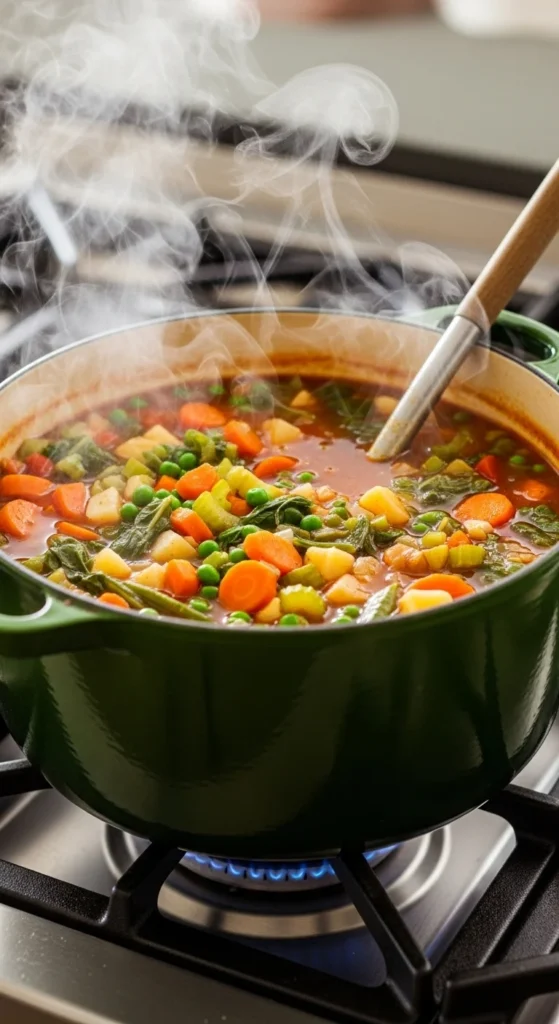
Start With A Flavor Base
Every good soup begins with a strong base. This first step sets the tone for the entire pot, so it is worth taking your time here.
Sauté Aromatics First
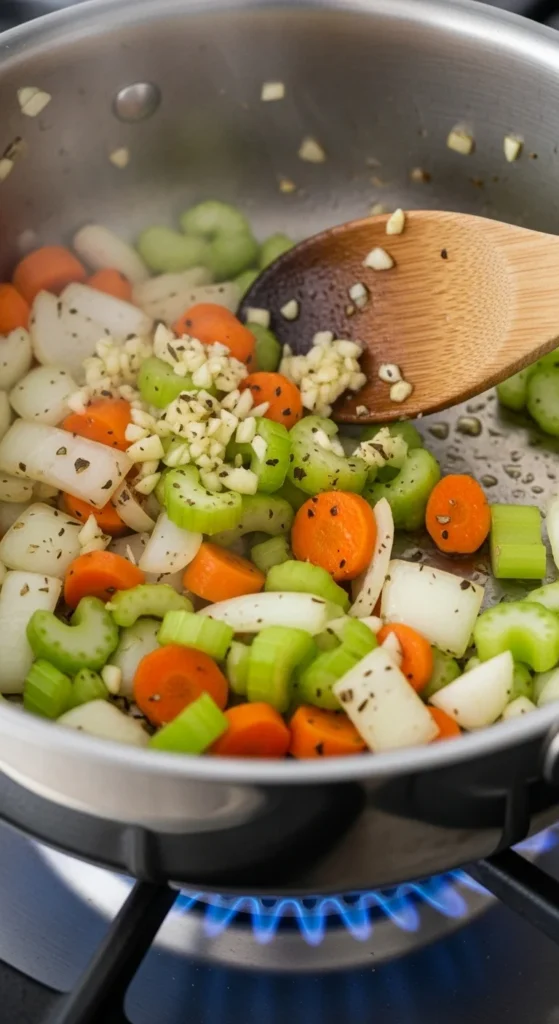
Aromatics are vegetables that release flavor when cooked gently in fat. The most common combination includes:
- Onions for depth
- Garlic for warmth
- Celery for savory backbone
- Carrots for subtle sweetness
Heat oil or butter over medium heat and cook these vegetables slowly until soft and fragrant. Do not rush or brown them aggressively. This stage builds flavor, not color.
Add Vegetables And Main Ingredients Thoughtfully
Once your base is fragrant, you can begin building the body of the soup.
Layer Ingredients Instead Of Dumping Everything In
Add vegetables in stages based on how long they take to cook.
- Dense vegetables like potatoes, squash, and carrots go in early
- Softer vegetables like zucchini, spinach, or peas go in later
This keeps everything tender instead of overcooked.
If you are using legumes or grains, rinse them well and add them after the aromatics so they absorb flavor from the start.
Control Liquid from the Beginning
One of the most common soup mistakes is adding too much liquid too early.
Start With Less Broth Than You Think You Need
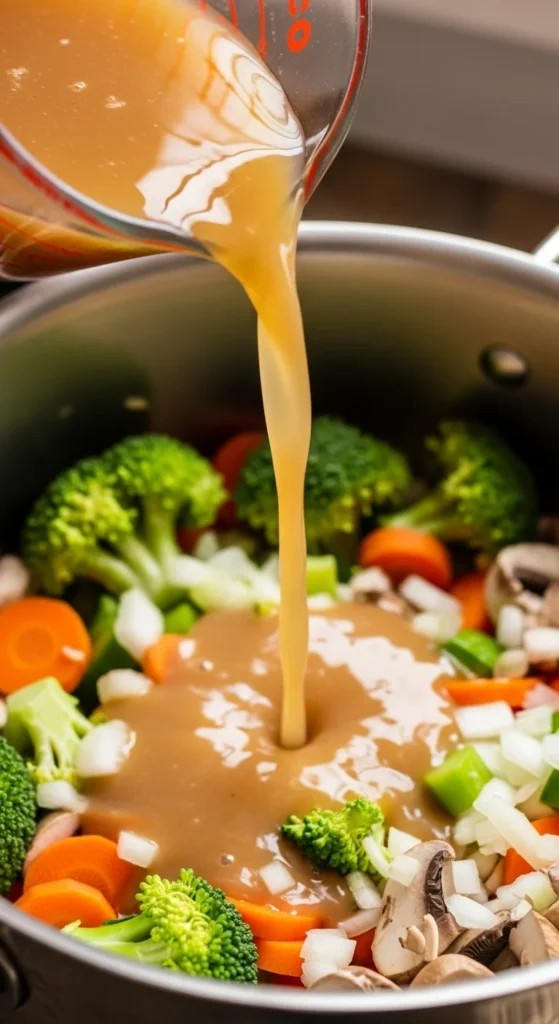
Pour in just enough broth or stock to barely cover the ingredients. You can always add more later, but it is difficult to fix soup that is already watery.
Use homemade broth when possible or choose low-sodium store-bought versions so you stay in control of seasoning.
Build Flavor as the Soup Cooks
Soup flavor should develop gradually, not all at once.
Season In Layers
Instead of adding all seasoning at the end, season lightly at each stage.
- A pinch of salt with the aromatics
- Another small adjustment after adding broth
- Final seasoning near the end
Taste as you go. This prevents bland soup and avoids over-salting.
Use Herbs And Spices Strategically
- Hardy herbs like thyme and rosemary can simmer longer
- Delicate herbs like parsley or basil should be added near the end
Spices such as cumin, curry powder, or paprika benefit from being briefly cooked in oil before liquid is added.
Create Creaminess Without Heavy Dairy
Creamy soups do not always require cream or cheese.
Blend For Natural Thickness
Soups made with vegetables like potatoes, cauliflower, lentils, or beans become naturally creamy when blended.
You can:
- Blend the entire pot for a smooth soup
- Blend only part of the soup for a thicker texture with chunks
An immersion blender makes this easy and keeps cleanup minimal.

Finish With Brightness And Balance
The final minutes are where good soup becomes great.
Add Acid At The End
A small amount of acid wakes up the entire dish.
Good options include:
- Lemon juice
- Apple cider vinegar
- Wine vinegar
Add a little at a time and taste. The soup should taste brighter, not sour.
Adjust Texture And Salt
If the soup feels too thick, add a splash of hot broth or water. If it tastes flat, adjust salt gently until flavors come forward.
Common Soup Problems and How to Fix Them
Following are the common soup problems that you must avoid:
Soup Tastes Bland
This usually means it needs either salt or acid. Try a small pinch of salt first, then a splash of lemon or vinegar. Often, the issue is balance, not missing ingredients.
Soup Is Too Thin
Let the soup simmer uncovered to reduce excess liquid. You can also blend a portion of the soup to thicken it naturally.
Vegetables Are Mushy
Vegetables were added too early or cooked too long. Next time, stagger additions so tender vegetables go in closer to the end.
Broth-Based Vs Creamy Soups
Broth-based soups focus on clarity and layered flavor. They rely on aromatics, vegetables, and seasoning rather than thickness. Creamy soups focus on texture. They use blending, starches, or dairy to create body and richness. Both follow the same structure. The difference comes from how you finish them.
Optional Variations and Shortcuts
Once you understand the core soup method, these variations let you adapt it based on time, ingredients, or dietary preferences without changing the overall process.
Vegetable And Plant-Based Soups
Use lentils, beans, or split peas for protein and creaminess. A spoon of miso added at the end boosts savory depth without overpowering the soup.
Quick Weeknight Soups
Egg drop soup, blended red lentil soup, or simple chicken noodle can be ready in under 30 minutes by using pre-chopped vegetables and prepared broth.
Freezer-Friendly Soups
Most vegetable and legume-based soups freeze well. Cool completely, portion into containers, and freeze for up to three months.
Final Thoughts
Making soup from scratch is about understanding the flow, not memorizing recipes. Start with a strong base, control your liquid, build flavor gradually, and finish with balance. Once you master this process, you can create endless soups from whatever is in your kitchen.
Save this method and use it as your foundation for every soup you make.

Leave a Reply