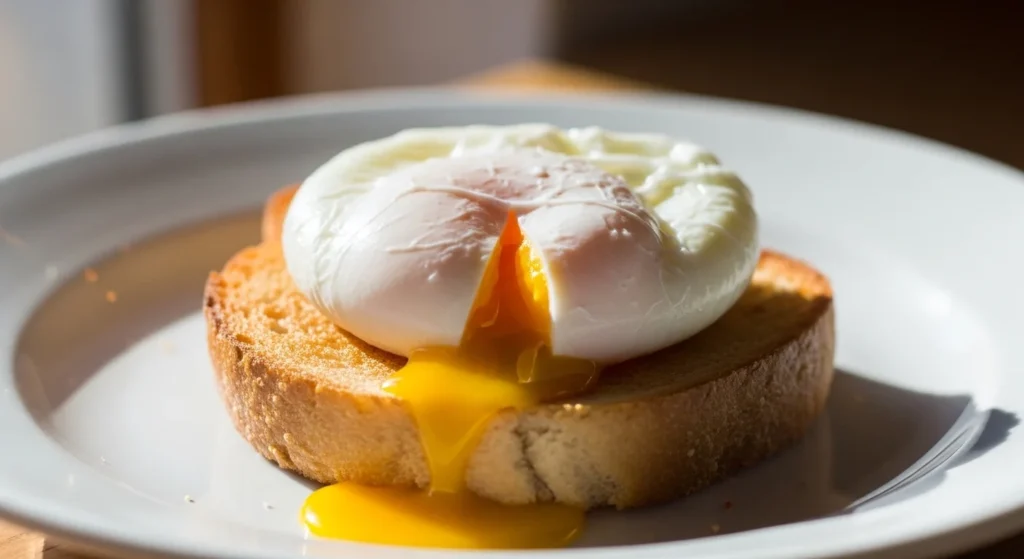
Poaching eggs becomes frustrating when the whites spread everywhere or the yolk breaks before it even sets. The problem is rarely skill. It usually comes down to a few small details like egg freshness, water temperature, and how the egg is handled.
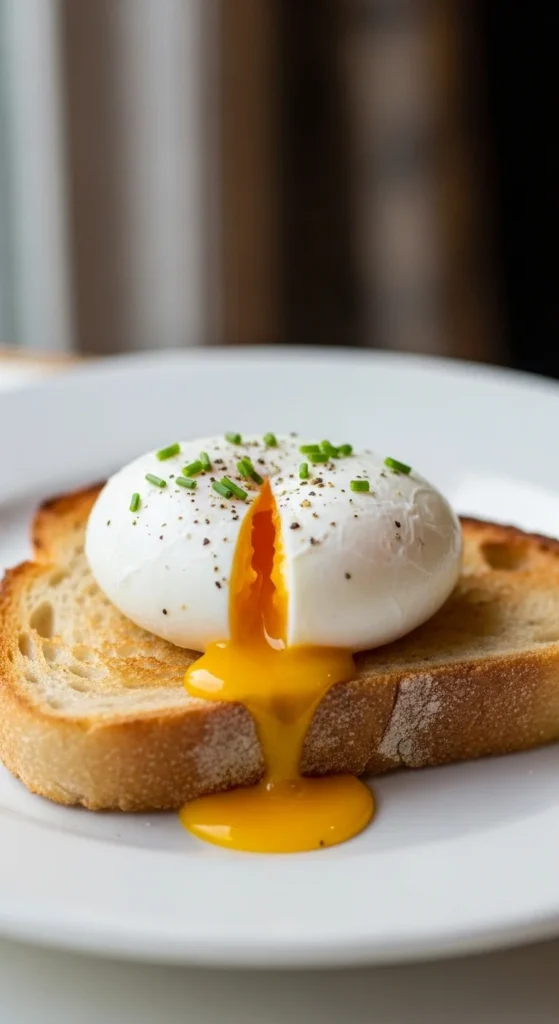
A good poached egg has three clear qualities. The whites are fully set, the yolk stays soft and runny, and the shape remains compact instead of messy. Once you control these factors, the process becomes consistent.
Start with Fresh and Cold Eggs
Fresh eggs behave very differently from older ones. The whites are thicker and hold together instead of spreading in the water.
- Use eggs that are less than a week old
- Keep them cold from the fridge before cooking
If the egg is older, the outer white becomes watery and creates thin strands in the water. This is why some poached eggs look messy.
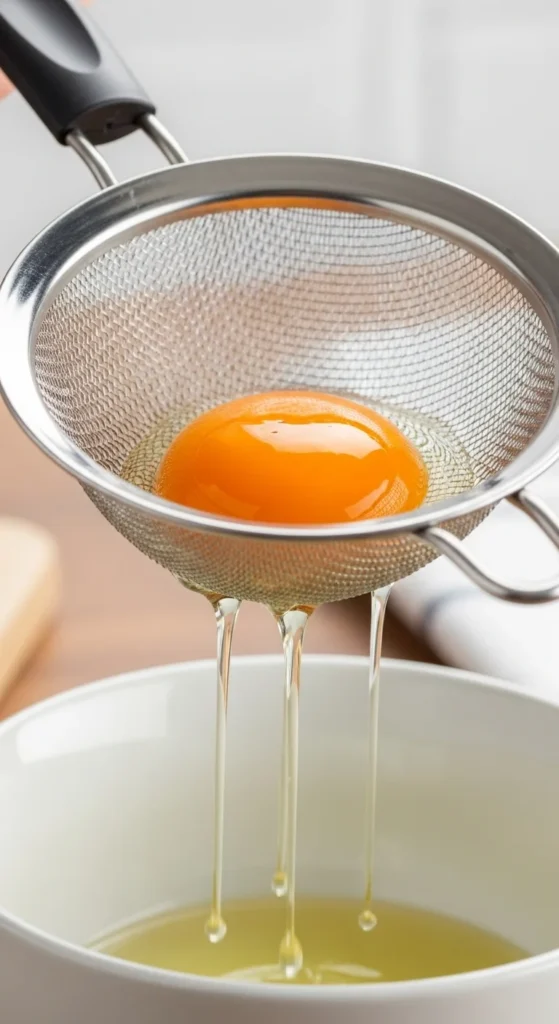
To fix this, strain the egg before cooking. Crack it into a fine mesh strainer and let the loose whites drain away. This simple step removes the part that causes most shape problems.
Control the Water Instead of Rushing It
Water that is too hot will break the egg apart. Water that is too still will not shape it properly.
You want a gentle simmer.
- Small bubbles forming at the base of the pot
- Surface should look calm without strong movement
Before adding the egg, stir the water in one direction to create a soft swirl. This helps wrap the whites around the yolk and improves the final shape.
Use a pot that is deep enough so the egg has space to settle properly. Shallow pans often lead to flat eggs.
Add the Egg Without Impact
How you introduce the egg into the water is one of the biggest factors.
- Crack the egg into a small bowl first
- Bring the bowl close to the water surface
- Slide the egg in slowly instead of dropping it
This prevents the yolk from breaking and keeps the shape intact.
Once the egg is in the water, avoid touching it immediately. Let the outer layer set first.
Timing Controls the Texture
The difference between perfect and overcooked eggs is usually one minute.
- Around 3 minutes gives a runny yolk
- Around 4 minutes gives a slightly firmer center
- Around 5 minutes gives a fully set yolk
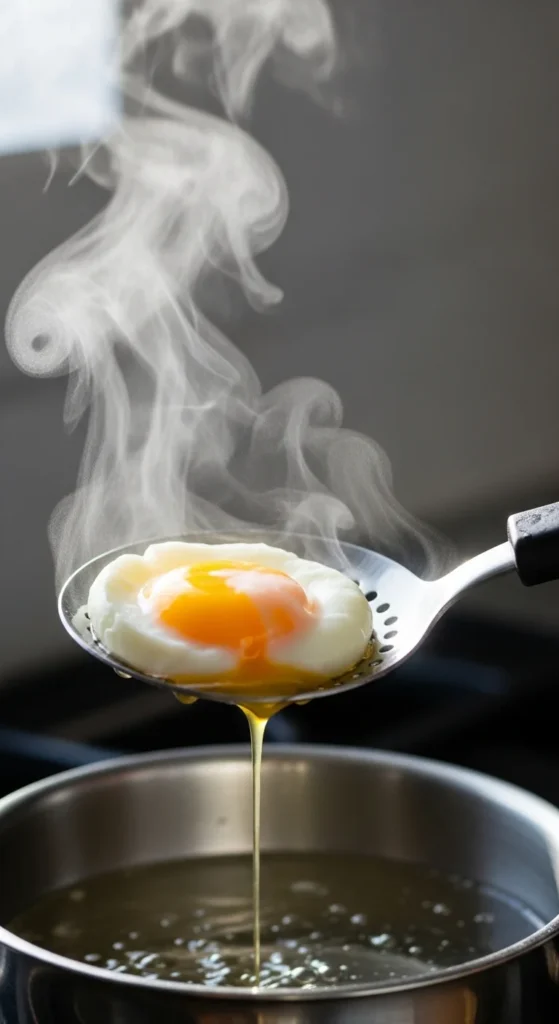
Instead of guessing, gently lift the egg with a slotted spoon and press lightly. The outside should feel set while the center remains soft.
Small Techniques That Improve Results
A few small adjustments make a noticeable difference.
- Add a small amount of vinegar to help the whites set faster
- Do not overcrowd the pot, cook one or two eggs at a time
- Skim away any loose whites floating in the water
- Rotate the egg gently after the first 20 to 30 seconds if needed
These are not complicated steps, but they solve most common issues.
Handling After Cooking Matters Too
Once the egg is cooked, lift it carefully with a slotted spoon.
Place it on a paper towel for a few seconds. This removes excess water and prevents a watery plate.
This step is often ignored, but it makes a clear difference in presentation and taste.
Batch Cooking and Reheating
Poached eggs can be made in advance if needed.
- Store them in cold water in the fridge
- Keep for up to two days
- Reheat in hot water for about 30 seconds
Why Eggs Fail and How to Fix It
Most poaching problems don’t come from doing everything wrong. It’s usually just one small detail that needs adjustment.
- Whites spreading too much
This usually means the egg is not fresh or the loose outer whites were not removed. Straining the egg before cooking gives a much cleaner shape - Yolk breaking early
This comes from rough handling or dropping the egg from height. Sliding it gently into calm water keeps the yolk intact - Flat or uneven shape
This happens when the water is completely still or too shallow. A gentle swirl and enough depth help the egg form properly - Rubbery texture
This is simply overcooking. Even an extra minute can firm up the yolk more than expected
Once you identify the issue, the fix becomes simple and consistent
Final Words
Poaching eggs is not about complicated techniques. It is about control and patience. When the water is calm, the egg is handled gently, and the timing is right, the result becomes predictable.
After a few attempts, it stops feeling difficult and becomes one of the simplest things you can cook consistently.