

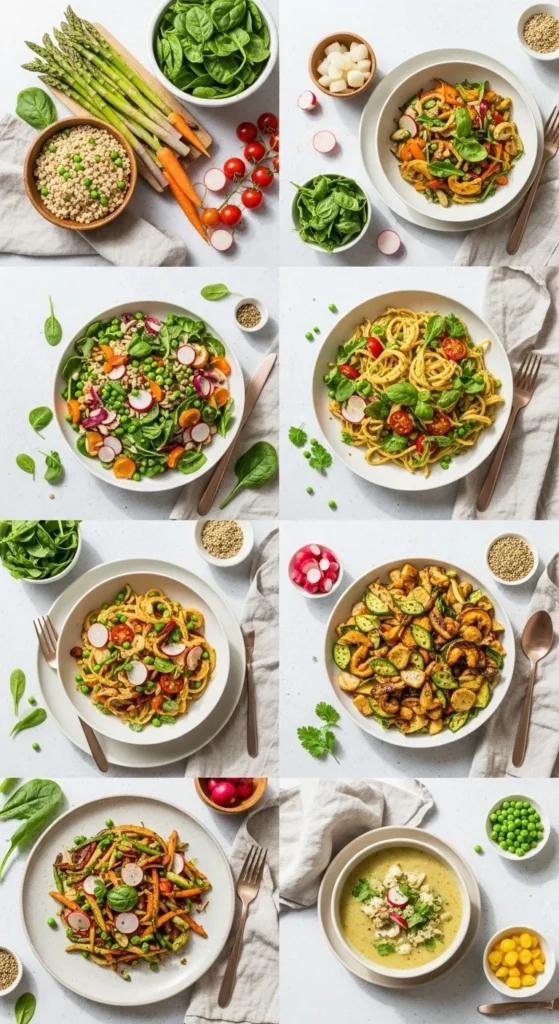
Spring vegetarian food should feel fresh, filling, and realistic to cook, not like you’re forcing yourself to eat lighter meals. These recipes focus on spring vegetables recipes, fresh vegetable recipes, and simple plant-based meals that actually satisfy. If you’re trying to eat salad more often or lean into vegetarian sushi, chickpeas, and seasonal greens, this is where it starts.
1. Lemon Roasted Asparagus with Herb Yogurt Sauce
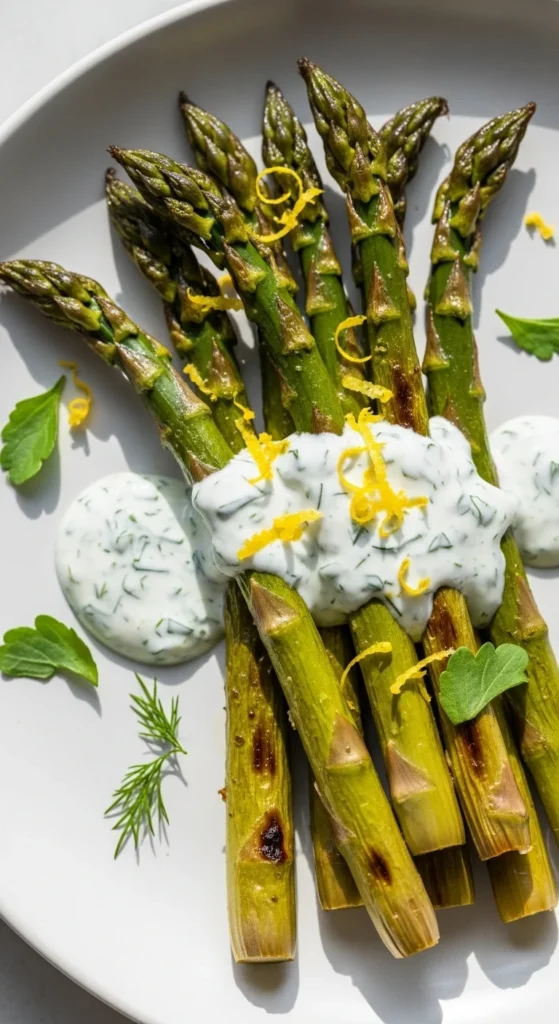
This is one of those spring vegetables recipes you’ll keep repeating because it takes almost no effort but still feels intentional. Roasting the asparagus brings out its sweetness, and the lemon keeps it fresh. The yogurt sauce turns it from a simple side into something you can actually build a meal around.
Ingredients
- Fresh asparagus, trimmed
- Olive oil
- Lemon zest and lemon juice
- Salt and black pepper
- Plain Greek yogurt
- Fresh dill or parsley, finely chopped
- Garlic, grated
Instructions
- Preheat the oven to 220°C (425°F).
- Spread the asparagus on a baking tray in a single layer.
- Drizzle with olive oil, sprinkle with salt, pepper, and lemon zest.
- Roast for 12–15 minutes until tender with lightly crisp edges.
- In a bowl, mix yogurt, garlic, herbs, and lemon juice until smooth.
- Taste and adjust seasoning.
How to Serve
Lay the asparagus out on a plate instead of piling it up so it keeps its texture. Spoon the yogurt sauce over the top rather than mixing it in. Serve with bread, roasted potatoes, or alongside another fresh vegetable recipe to make it feel complete.
2. Spring Pea and Mint Risotto
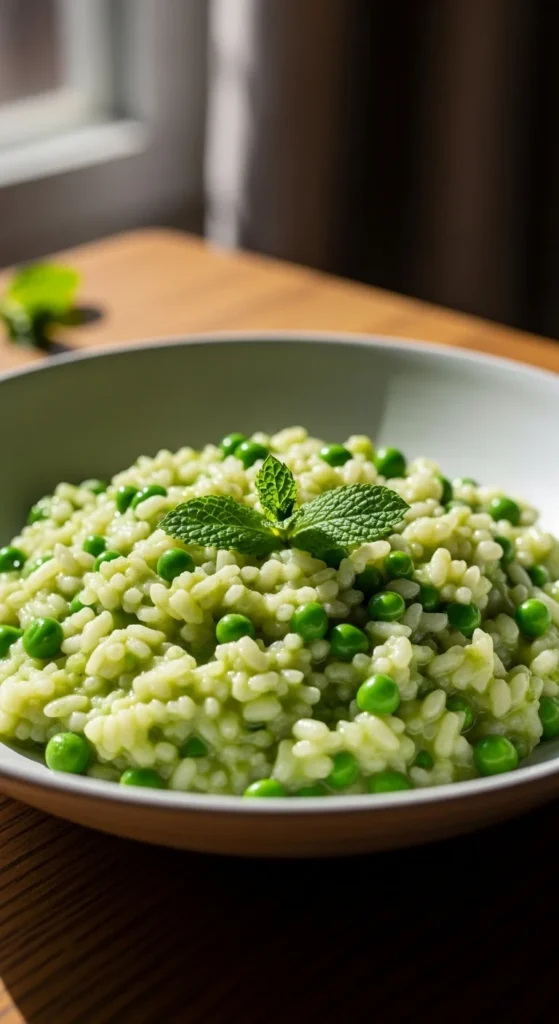
This risotto is creamy without being heavy, which is exactly what you want in spring. The peas bring sweetness, and the mint keeps everything tasting fresh. It’s comforting, but it doesn’t sit heavy afterward.
Ingredients
- Arborio rice
- Vegetable broth, kept warm
- Olive oil
- Small onion or shallot, finely chopped
- Green peas, fresh or frozen
- Fresh mint, finely chopped
- Parmesan or vegetarian hard cheese
- Salt and black pepper
Instructions
- Heat olive oil in a pan and cook the onion until soft, not browned.
- Add rice and stir for about 1 minute until coated.
- Add warm broth one ladle at a time, stirring until absorbed.
- After about 15 minutes, stir in the peas.
- When the rice is creamy and tender, remove from heat.
- Stir in mint and cheese, then season to taste.
How to Serve
Serve right away while it’s still loose and creamy. Use shallow bowls so it spreads instead of piling up. Finish with a little extra mint on top and a drizzle of olive oil.
3. Roasted Cauliflower and Chickpea Bowls with Tahini Dressing
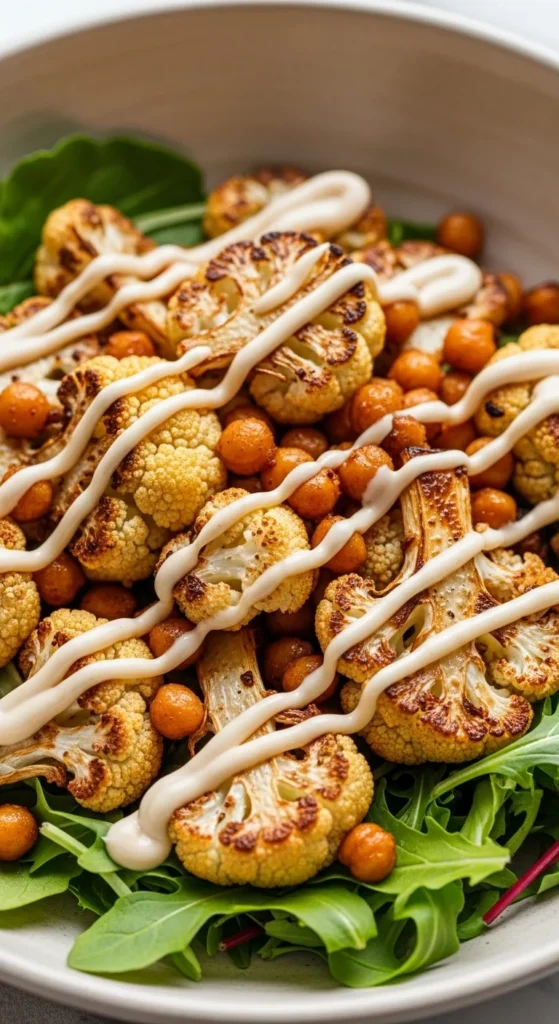
This is the kind of bowl that proves eating salad doesn’t mean staying hungry. Chickpeas make it filling, roasted cauliflower gives it texture, and the tahini dressing pulls everything together without needing cheese.
Ingredients
- Cauliflower florets
- Cooked chickpeas, drained and dried
- Olive oil
- Cumin or smoked paprika
- Salt and black pepper
- Tahini
- Lemon juice
- Garlic
- Water to thin
Instructions
- Preheat oven to 220°C (425°F).
- Toss cauliflower and chickpeas with olive oil, spices, salt, and pepper.
- Roast for 25–30 minutes until deeply golden.
- Whisk tahini, lemon juice, garlic, and water until smooth and pourable.
- Taste and adjust seasoning.
How to Serve
Build the bowl while everything is warm. Start with roasted vegetables, drizzle the tahini generously, and add greens or grains underneath if you want a larger meal. This holds up well for leftovers.
4. Creamy Spinach and Ricotta Spring Pasta
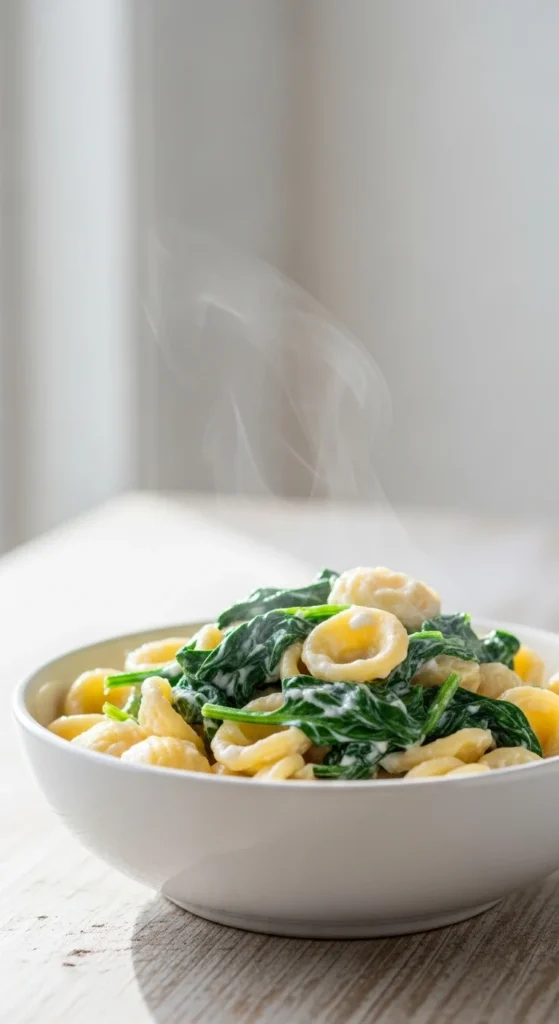
This pasta feels rich but still light enough for spring. Ricotta gives you creaminess without heaviness, and spinach melts right into the sauce so it feels balanced, not leafy.
Ingredients
- Short pasta (penne o rigatoni)
- Olive oil
- Garlic, minced
- Fresh spinach
- Ricotta cheese
- Lemon zest
- Salt and black pepper
- Pasta cooking water
Instructions
- Cook pasta in salted water until al dente. Reserve pasta water.
- Warm olive oil in a pan and gently cook garlic.
- Add spinach and let it wilt completely.
- Stir in ricotta, lemon zest, and a splash of pasta water.
- Add pasta and toss until coated.
- Season well.
How to Serve
Serve immediately while the sauce is smooth. Use wide bowls and finish with black pepper. If reheating later, add a spoon of water so it stays creamy.
5. Crispy Chickpea and Cherry Tomato Salad
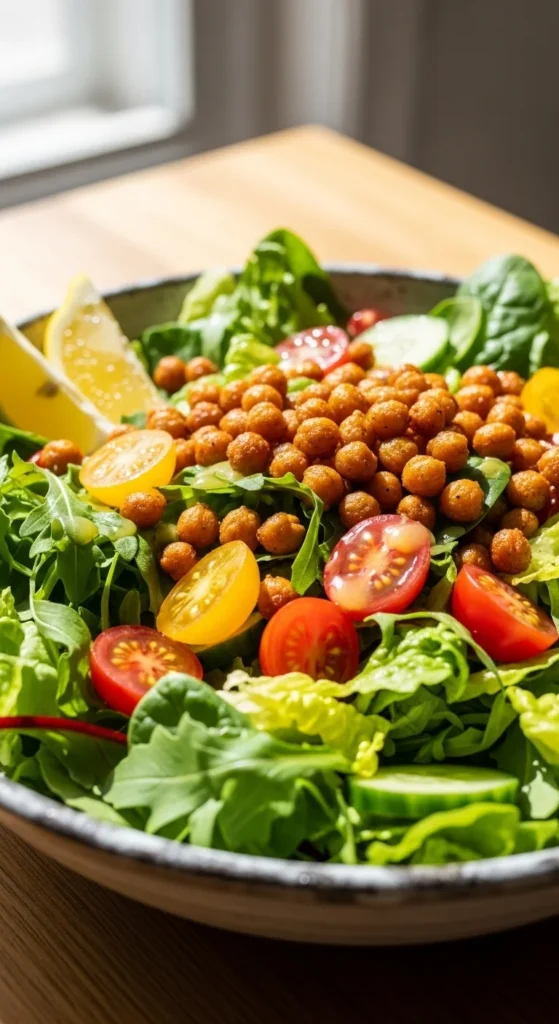
This is a salad for people who say they don’t like salads. Crispy chickpeas bring crunch and protein, tomatoes keep it juicy, and everything stays simple and fresh.
Ingredients
- Cooked chickpeas
- Olive oil
- Paprika or cumin
- Cherry tomatoes, halved
- Mixed salad greens
- Lemon juice
- Salt and black pepper
Instructions
- Toss chickpeas with olive oil, spices, salt, and pepper.
- Roast at 220°C (425°F) for 20–25 minutes until crisp.
- Toss greens and tomatoes with olive oil and lemon juice.
- Top with warm chickpeas just before serving.
How to Serve
Serve immediately so the chickpeas stay crunchy. If packing for later, keep them separate and add right before eating. This works well as a main salad or alongside soup.
6. Asparagus and Mushroom Stir-Fry with Ginger Soy Sauce
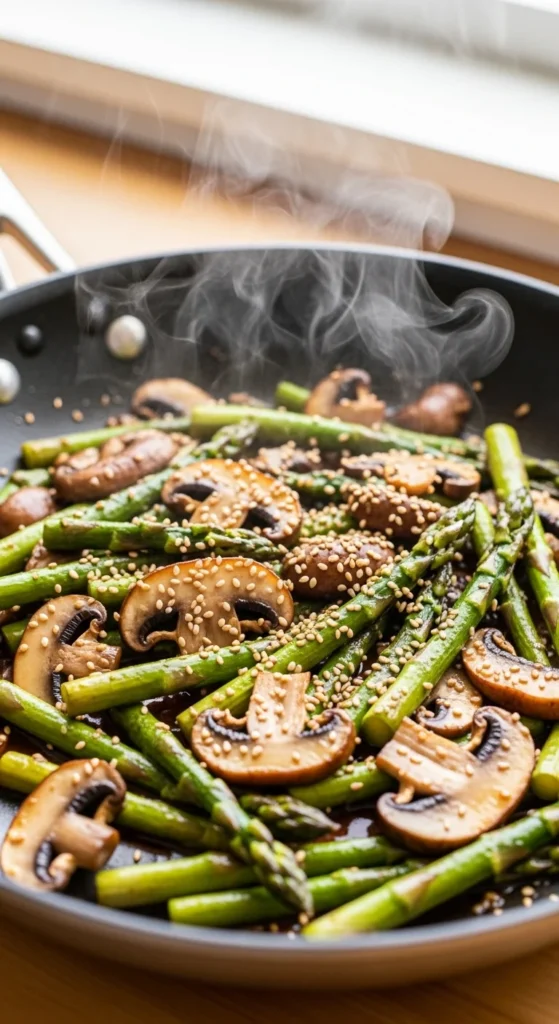
This is one of those spring vegetable recipes you make when you want dinner fast but still fresh. Asparagus stays crisp, mushrooms bring depth, and the ginger soy sauce gives you that savory hit without feeling heavy. It works well on its own or as a base for a bigger vegetarian meal.
Ingredients
- Asparagus, cut into bite-sized pieces
- Mushrooms (button or cremini), sliced
- Olive oil or neutral cooking oil
- Fresh ginger, finely grated
- Garlic, minced
- Soy sauce or tamari
- Rice vinegar or lemon juice
- Sesame oil (optional)
Instructions
- Heat a wide pan over medium-high heat and add oil.
- Add mushrooms first and let them cook undisturbed for 2–3 minutes so they brown properly.
- Add asparagus and stir-fry for another 3–4 minutes until crisp-tender.
- Add ginger and garlic and cook for 30 seconds until fragrant.
- Pour in soy sauce and a small splash of vinegar. Toss to coat evenly.
- Finish with a few drops of sesame oil if using.
How to Serve
Serve this straight from the pan while it’s hot. Spoon it over rice, quinoa, or noodles if you want something filling, or keep it simple and serve it as a vegetable-forward main with toasted sesame seeds on top.
7. Zucchini Noodle Bowl with Lemon Garlic Olive Oil
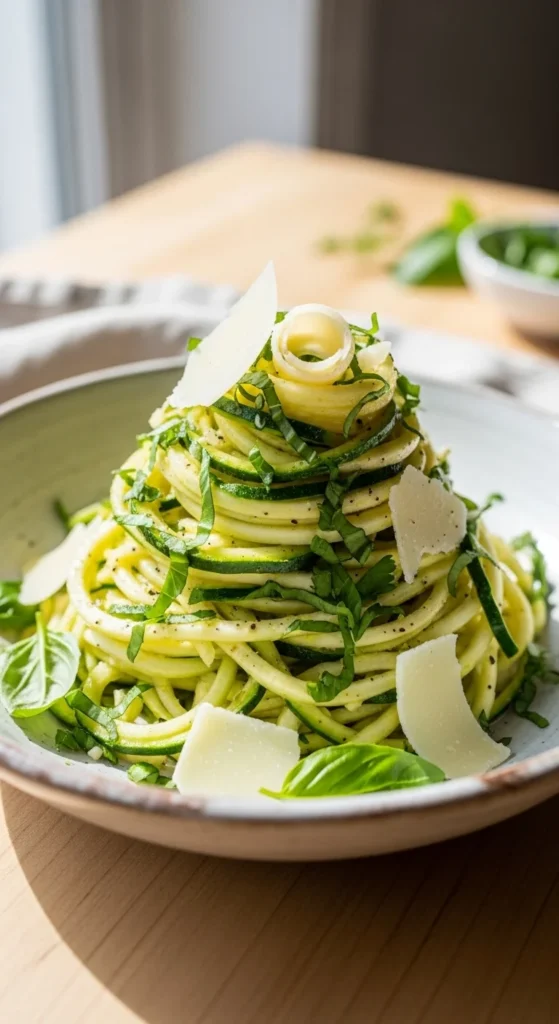
This is a fresh vegetable recipe for days when you want something light but not boring. The key here is not overcooking the zucchini. You’re warming it just enough so it softens slightly while keeping that clean spring bite.
Ingredients
- Zucchini, spiralized
- Olive oil
- Garlic, thinly sliced
- Lemon zest and juice
- Salt and black pepper
- Parmesan or vegan feta cheese (optional)
- Fresh basil or parsley
Instructions
- Heat olive oil gently in a pan over medium-low heat.
- Add garlic and cook slowly until fragrant, not browned.
- Add zucchini noodles and toss for 1–2 minutes, just until warmed.
- Remove from heat and add lemon zest and juice.
- Season with salt and pepper and toss again.
How to Serve
Twirl the noodles into bowls instead of piling them up. Finish with cheese or vegan feta if using, and a drizzle of olive oil. Eat immediately while the zucchini is still fresh and lightly warm.
8. Roasted Sweet Potato and Green Lentil Salad
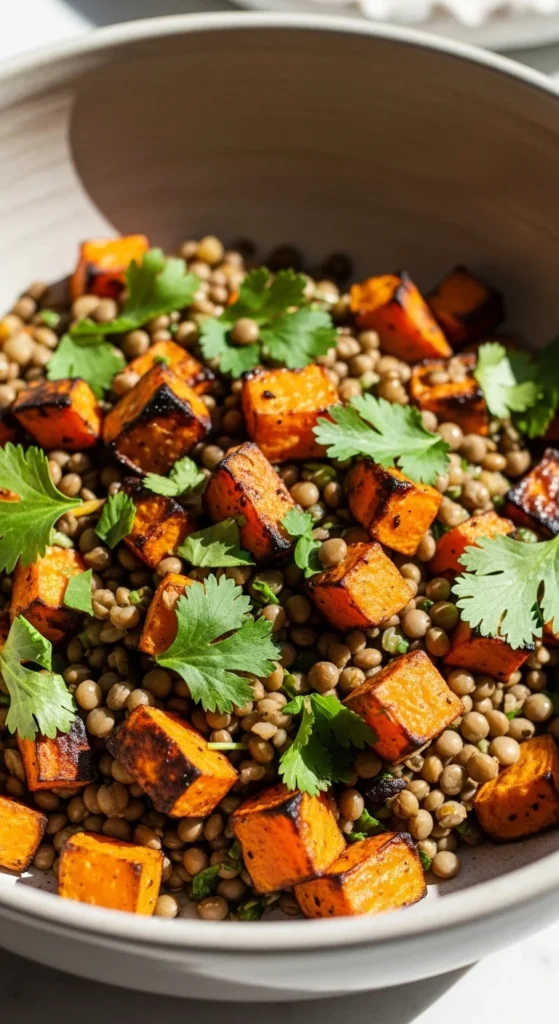
This salad proves that eating salad can actually keep you full. Sweet potatoes give warmth, lentils add protein, and everything balances between roasted and fresh. It’s great for meal prep and still tastes good the next day.
Ingredients
- Sweet potatoes, cubed
- Cooked green lentils
- Olive oil
- Smoked paprika or cumin
- Salt and black pepper
- Lemon juice
- Dijon mustard
- Fresh parsley or dill
Instructions
- Roast sweet potatoes at 220°C (425°F) with olive oil and spices for 25–30 minutes until tender.
- Whisk olive oil, lemon juice, and Dijon in a small bowl.
- Combine warm sweet potatoes and lentils in a large bowl.
- Toss gently with dressing and herbs.
- Taste and adjust seasoning.
How to Serve
Serve slightly warm or at room temperature. Spread it out on a wide plate so it doesn’t steam itself. This works well as a main salad or alongside grilled vegetables.
9. Herbed Quinoa with Spring Vegetables and Lemon
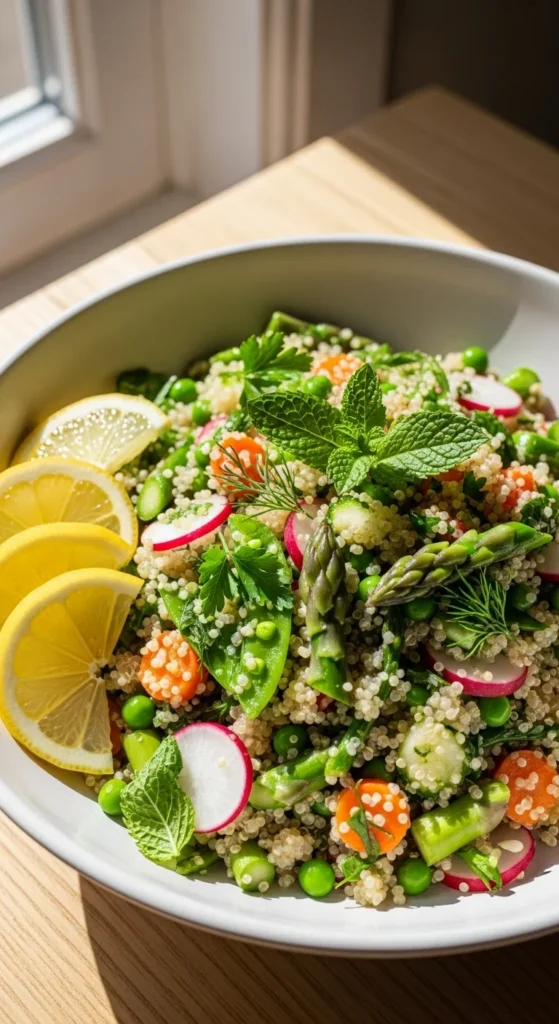
This is a base recipe you’ll come back to again and again. Quinoa keeps it filling, fresh herbs keep it light, and lemon pulls everything together. It works hot or cold, which makes it useful.
Ingredients
- Quinoa
- Vegetable broth or water
- Asparagus or peas, chopped
- Olive oil
- Lemon zest and juice
- Fresh herbs (parsley, mint, or dill)
- Salt and black pepper
Instructions
- Cook quinoa according to package instructions and fluff with a fork.
- Steam or lightly sauté spring vegetables until just tender.
- Combine quinoa and vegetables in a bowl.
- Add olive oil, lemon zest, and juice.
- Fold in herbs and season well.
How to Serve
Serve warm as a main or chilled as a fresh salad. Spoon it into shallow bowls and finish with extra herbs on top. It pairs well with roasted vegetables or grilled tofu.
10. Pesto Primavera Pasta with Seasonal Greens
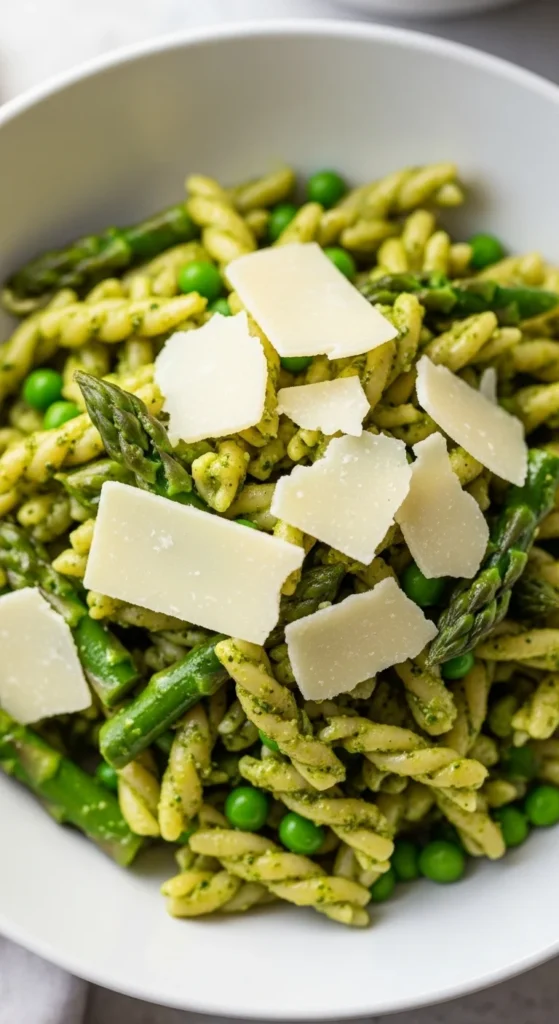
This pasta is exactly what people mean when they say spring vegetarian recipes should feel vibrant. Pesto does the heavy lifting, and seasonal greens keep it from feeling heavy or repetitive.
Ingredients
- Short pasta
- Fresh asparagus, sliced
- Green peas
- Basil pesto (store-bought or homemade)
- Olive oil
- Parmesan or vegan feta
- Salt and black pepper
Instructions
- Cook pasta in salted water until al dente.
- Add asparagus and peas during the last 2 minutes of cooking.
- Reserve some pasta water, then drain.
- Toss pasta and vegetables with pesto and a splash of pasta water.
- Adjust seasoning and finish with cheese if using.
How to Serve
Serve immediately while everything is glossy and warm. Use a large serving bowl and toss once more before plating so the pesto coats evenly. Add extra pesto on the table so people can adjust to taste.
11. Creamy Burrata with Roasted Spring Vegetables
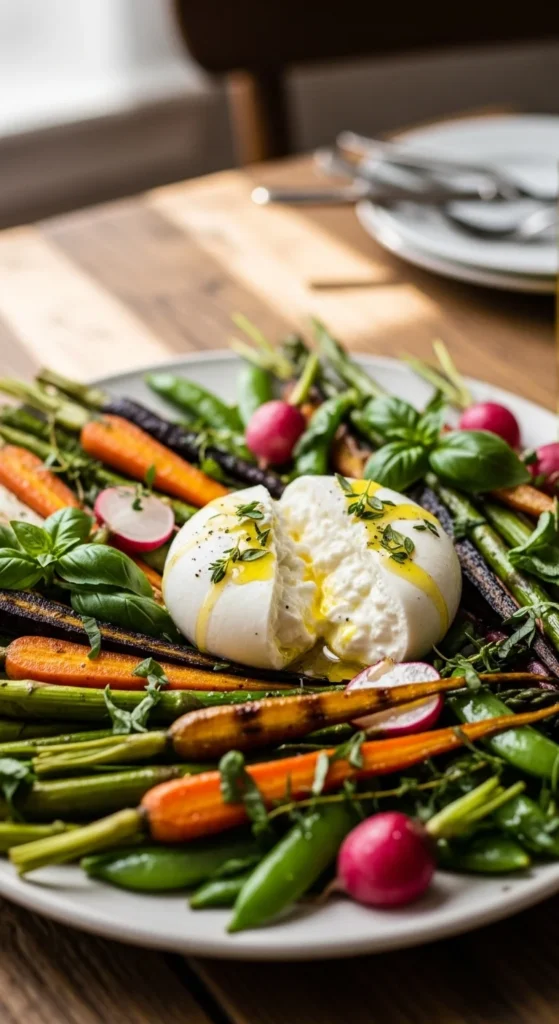
This is one of those dishes that looks impressive but is actually very simple. Roasting brings out the sweetness in spring vegetables, and burrata adds creaminess without needing a sauce. It works when you want something comforting but still light enough for spring.
Ingredients
- Burrata cheese
- Asparagus, trimmed
- Zucchini, sliced
- Cherry tomatoes
- Olive oil
- Salt and black pepper
- Fresh basil or parsley
Instructions
- Preheat oven to 220°C (425°F).
- Toss vegetables with olive oil, salt, and pepper.
- Roast on a large tray for 20–25 minutes until tender and lightly browned.
- Transfer vegetables to a serving platter.
- Tear burrata gently and place it over the warm vegetables.
- Finish with fresh herbs and a drizzle of olive oil.
How to Serve
Serve this while the vegetables are still warm so the burrata softens naturally. Place crusty bread or toasted sourdough on the table and let people scoop the cheese and vegetables together. It works well as a starter or a light main.
12. Pan-Roasted Broccoli with Chili, Lemon, and Almonds
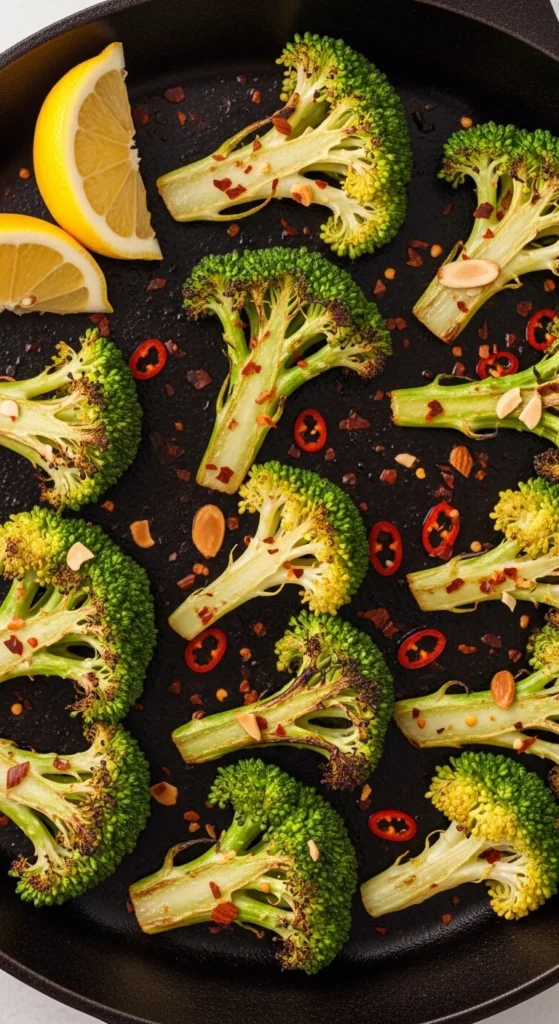
This is broccoli done right. Cooking it hot and fast gives you crispy edges, while lemon and chili keep it fresh. Almonds add crunch so every bite feels complete, not flat.
Ingredients
- Broccoli florets
- Olive oil
- Garlic, sliced
- Chili flakes
- Lemon zest and juice
- Sliced almonds
- Salt and black pepper
Instructions
- Heat olive oil in a wide pan over medium-high heat.
- Add broccoli and let it cook undisturbed for 3–4 minutes to brown.
- Stir and cook for another 3–4 minutes until tender but crisp.
- Add garlic and chili flakes and cook for 30 seconds.
- Finish with lemon zest, lemon juice, and almonds.
- Season well and toss gently.
How to Serve
Serve straight from the pan onto a warm plate. Squeeze a little extra lemon over just before serving. This works well alongside grain bowls, pasta, or as a simple vegetable main with bread.
13. Spring Vegetable Farro Bowl with Basil Dressing
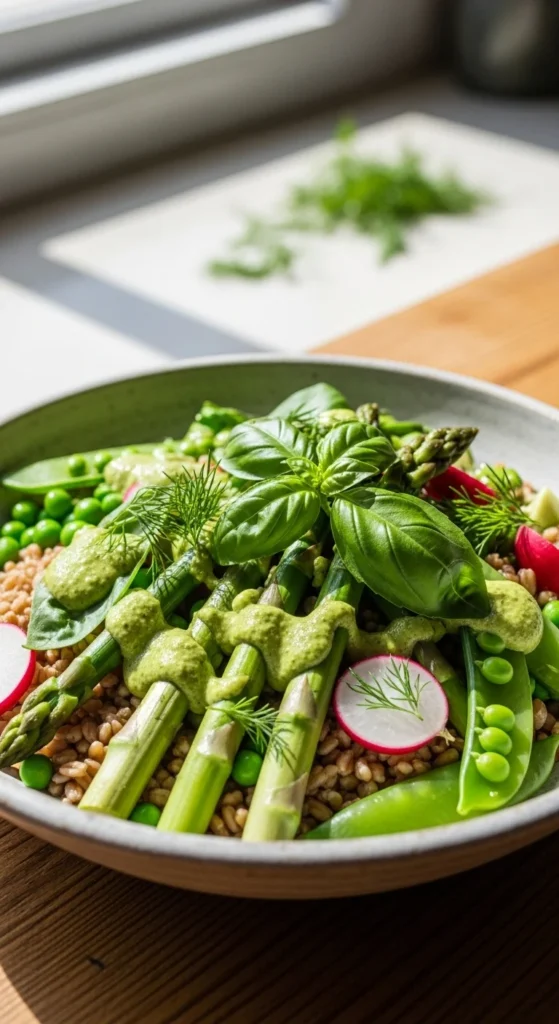
Farro gives this bowl chew and substance, while spring vegetables keep it fresh. The basil dressing ties everything together without making it heavy. It’s a good option when you want something filling but still plant-forward.
Ingredients
- Farro
- Asparagus or peas
- Zucchini
- Olive oil
- Fresh basil
- Lemon juice
- Garlic
- Salt and black pepper
Instructions
- Cook farro in salted water until tender, then drain.
- Lightly sauté or roast vegetables until just cooked.
- Blend basil, olive oil, lemon juice, garlic, salt, and pepper into a smooth dressing.
- Combine farro and vegetables in a bowl.
- Toss with dressing until evenly coated.
How to Serve
Spoon into bowls rather than piling it high. Add extra basil dressing at the table so everyone can adjust. This bowl works warm or at room temperature, making it good for lunch or dinner.
14. Pea and Spinach Coconut Curry
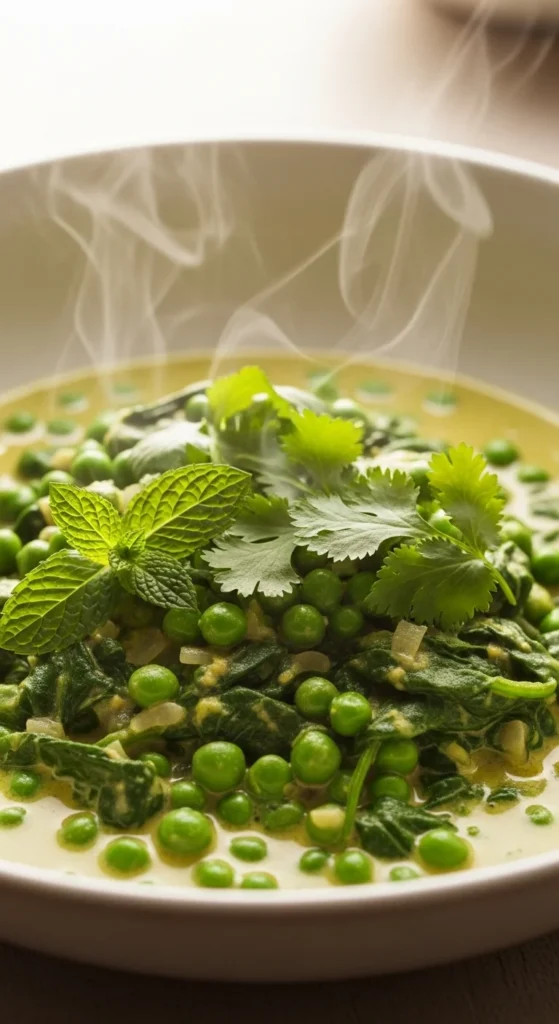
This curry is gentle and comforting, not heavy or overpowering. Peas bring sweetness, spinach adds freshness, and coconut milk keeps everything smooth without feeling rich.
Ingredients
- Green peas (fresh or frozen)
- Fresh spinach
- Coconut milk
- Onion, chopped
- Garlic and ginger
- Curry powder or paste
- Neutral oil
- Salt
Instructions
- Heat oil in a pot and cook onion until soft.
- Add garlic and ginger and cook briefly.
- Stir in curry powder or paste and cook for 1 minute.
- Add coconut milk and peas and simmer for 10 minutes.
- Stir in spinach until just wilted.
- Season with salt and adjust consistency if needed.
How to Serve
Serve hot in shallow bowls with rice or flatbread. Let it rest for a few minutes before serving so the flavors settle. Add a squeeze of lemon if you want it brighter.
15. Grilled Halloumi with Asparagus and Fresh Herbs
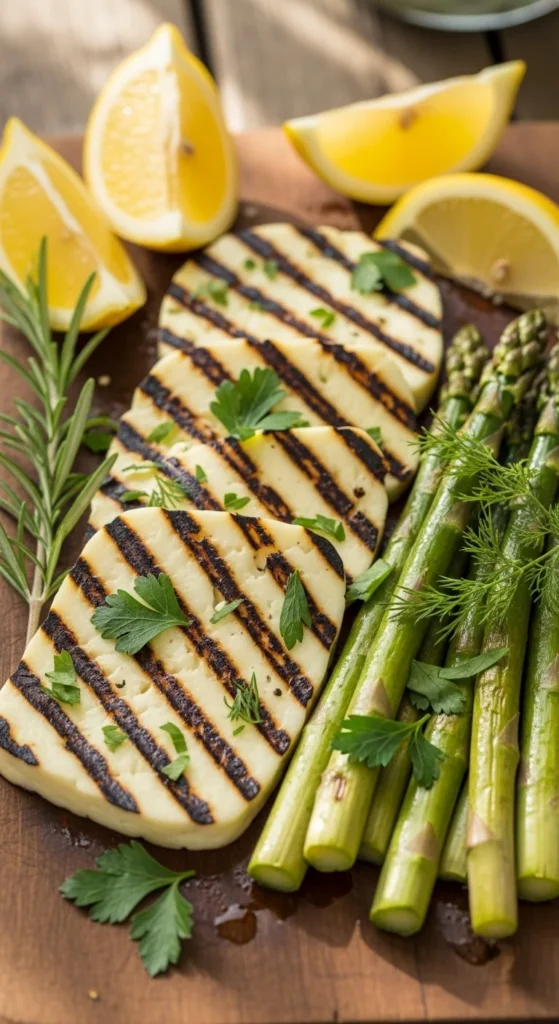
Halloumi is perfect for grilling because it holds its shape and gets beautifully golden. Paired with asparagus, it feels fresh but still satisfying, especially when you want something simple.
Ingredients
- Halloumi cheese, sliced
- Asparagus, trimmed
- Olive oil
- Lemon juice
- Fresh herbs (mint, parsley, or basil)
- Black pepper
Instructions
- Heat a grill pan or outdoor grill to medium-high.
- Brush halloumi and asparagus lightly with olive oil.
- Grill halloumi for 2–3 minutes per side until golden.
- Grill asparagus until tender with light char marks.
- Transfer to a plate and drizzle with lemon juice.
- Finish with herbs and black pepper.
How to Serve
Serve immediately while the halloumi is hot and slightly crisp. Arrange it flat on a platter instead of stacking so it stays golden. This works well with fresh salad recipes or warm bread on the side.
16. Raw Asparagus Salad with Lemon and Parmesan
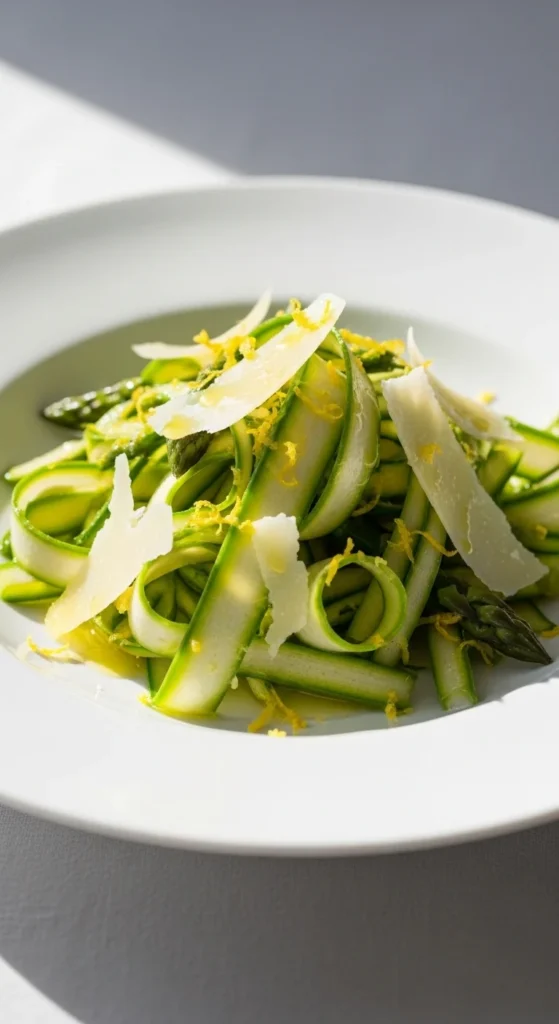
This salad works because you’re not cooking the asparagus at all. Shaving it thin keeps it tender and fresh, not woody. Lemon and Parmesan do most of the work here, so the result tastes clean and sharp instead of grassy.
Ingredients
- Fresh asparagus
- Lemon zest and lemon juice
- Extra-virgin olive oil
- Shaved Parmesan cheese
- Salt and black pepper
Instructions
- Trim the woody ends off the asparagus.
- Use a vegetable peeler to shave the asparagus lengthwise into thin ribbons.
- Place the asparagus in a wide bowl.
- Add lemon zest, a squeeze of lemon juice, olive oil, salt, and pepper.
- Toss gently with your hands so the asparagus doesn’t break.
- Finish with shaved Parmesan on top.
How to Serve
Serve immediately after tossing so the asparagus stays crisp. Spread it out on a flat plate rather than piling it high. This works well as a starter or alongside spring vegetable recipes like grilled halloumi or farro bowls.
17. Chickpea and Avocado Spring Wraps
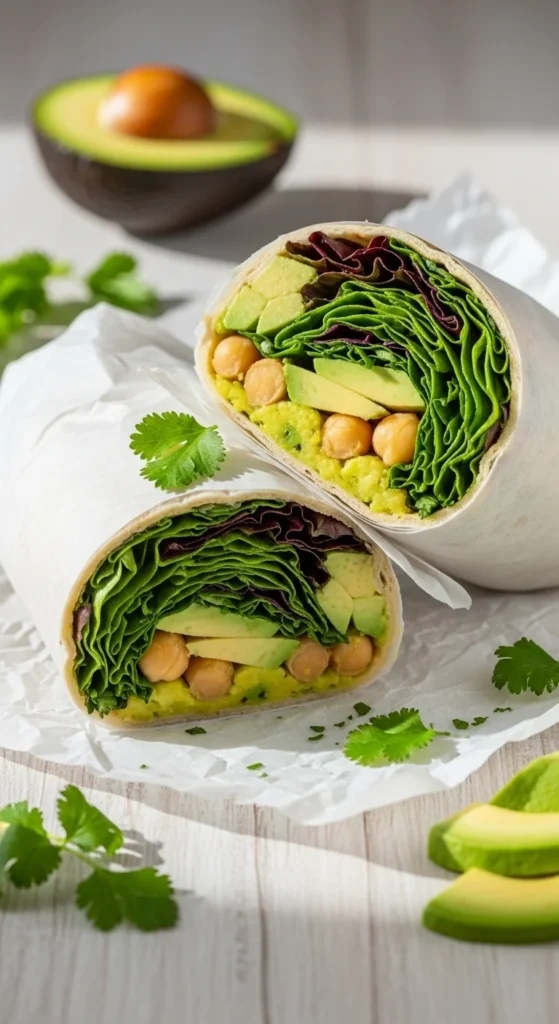
These wraps are filling without feeling heavy. Chickpeas give protein, avocado adds creaminess, and fresh vegetables keep everything light. This is the kind of lunch you can put together quickly without cooking much.
Ingredients
- Cooked chickpeas
- Ripe avocado
- Lemon juice
- Olive oil
- Salt and black pepper
- Fresh greens or spinach
- Wraps or flatbreads
Instructions
- Place chickpeas in a bowl and mash them lightly with a fork.
- Add avocado, lemon juice, olive oil, salt, and pepper.
- Mix until chunky but spreadable.
- Warm the wraps slightly so they don’t crack.
- Spoon the chickpea mixture down the center of each wrap.
- Add fresh greens, then roll tightly.
How to Serve
Cut the wraps in half so they’re easier to eat. Serve right away while the wraps are soft, or wrap them in parchment if you’re packing them. These work well with fresh salad recipes or a simple vegetable side.
18. Tofu and Snap Pea Stir-Fry with Ginger Garlic Sauce
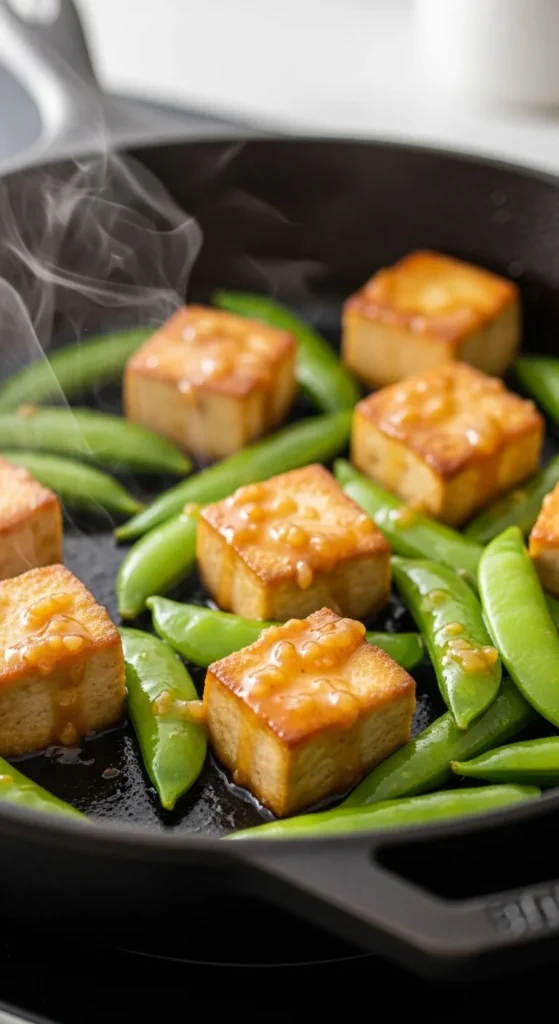
This stir-fry stays light because everything cooks quickly. Tofu absorbs the ginger garlic sauce, while snap peas stay crisp and sweet. It’s simple, fast, and doesn’t rely on heavy sauces.
Ingredients
- Firm tofu, cubed
- Snap peas
- Garlic, minced
- Fresh ginger, grated
- Soy sauce or tamari
- Sesame oil
- Neutral oil
Instructions
- Pat tofu dry and heat oil in a wide pan over medium-high heat.
- Add tofu and cook until golden on all sides. Remove from the pan.
- Add snap peas to the same pan and cook for 2–3 minutes.
- Stir in garlic and ginger and cook briefly.
- Add soy sauce and a small splash of water.
- Return tofu to the pan and toss until coated and glossy.
How to Serve
Serve hot over rice or noodles. Keep portions spread out so the tofu stays crisp. This pairs well with spring vegetables recipes or a simple cucumber salad on the side.
19. Roasted Carrot and Harissa Yogurt Plate
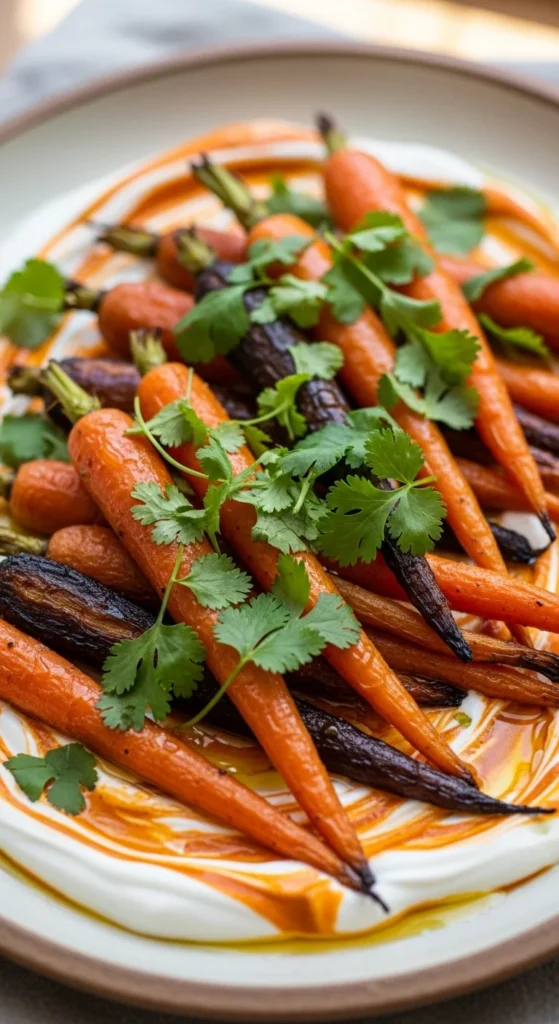
This dish balances sweet roasted carrots with a gently spicy yogurt base. Harissa adds warmth without overpowering, and the yogurt keeps everything grounded and fresh.
Ingredients
- Carrots, peeled and halved
- Olive oil
- Salt and black pepper
- Greek yogurt or plant-based yogurt
- Harissa paste
- Lemon juice
- Fresh herbs
Instructions
- Preheat oven to 220°C (425°F).
- Toss carrots with olive oil, salt, and pepper.
- Roast for 25–30 minutes until tender and lightly caramelized.
- Mix yogurt with harissa and lemon juice to taste.
- Spread yogurt on a plate or shallow bowl.
- Arrange roasted carrots on top and finish with herbs.
How to Serve
Serve warm or at room temperature. Use a wide plate so people can scoop carrots through the yogurt. Add flatbread or pita on the side to make it feel complete.
20. Spring Vegetable Fried Rice with Fresh Herbs
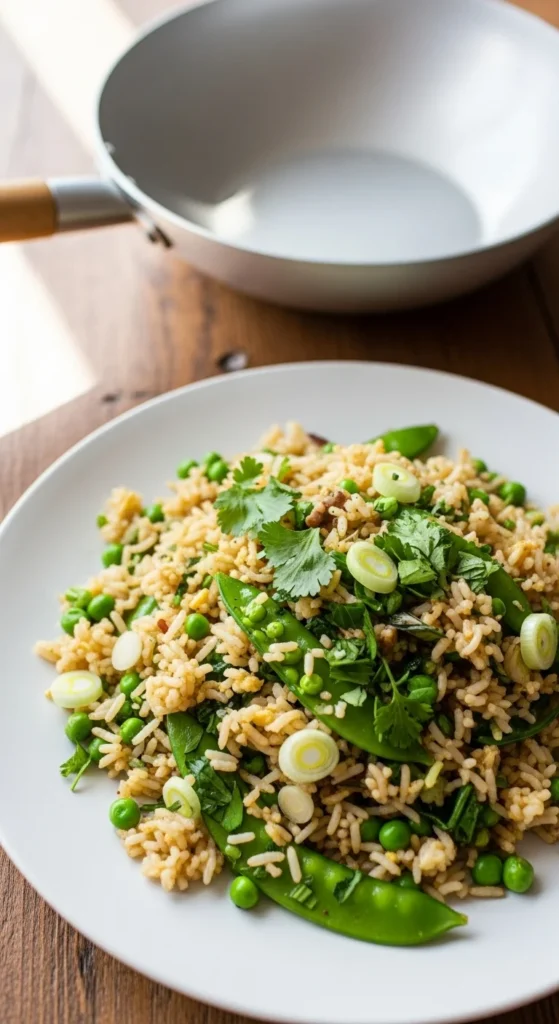
This fried rice is meant for spring, not the heavy soy-sauce-loaded kind. Fresh herbs and green vegetables keep it light, and using cooked rice from the fridge helps everything fry cleanly instead of turning mushy. It’s a good way to use leftover rice and vegetables without it feeling like leftovers.
Ingredients
- Cooked rice, preferably chilled
- Green peas
- Spring onions or scallions
- Garlic, finely chopped
- Fresh herbs (parsley, dill, or cilantro)
- Soy sauce or tamari
- Sesame oil
- Neutral cooking oil
- Salt and black pepper
Instructions
- Heat a wide pan or wok over medium-high heat and add neutral oil.
- Add garlic and scallions and cook for about 30 seconds until fragrant.
- Add peas and cook for 1–2 minutes so they stay bright and crisp.
- Add the rice, breaking up clumps with a spatula.
- Drizzle in soy sauce and a small splash of sesame oil.
- Toss and cook until the rice is heated through and lightly crisp in spots.
- Turn off the heat and fold in chopped fresh herbs.
- Taste and adjust seasoning with salt or pepper if needed.
How to Serve
Serve hot straight from the pan. Spread it out slightly on the plate so steam escapes and the rice doesn’t soften. This works well on its own or alongside vegetarian sushi or fresh vegetable recipes.
21. No-Cook Spring Tomato and White Bean Salad
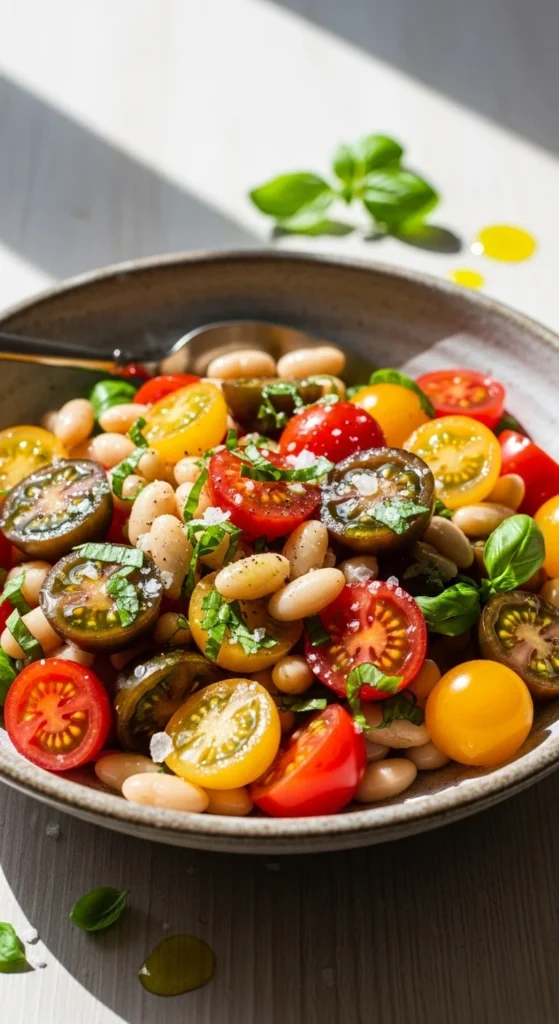
This salad is about timing, not cooking. When tomatoes are ripe, you don’t need much else. White beans make it filling enough for lunch, and everything comes together in minutes.
Ingredients
- Ripe tomatoes, chopped
- Cooked white beans, drained and rinsed
- Olive oil
- Lemon juice or red wine vinegar
- Fresh herbs (basil or parsley)
- Salt and black pepper
Instructions
- Place tomatoes and white beans in a large bowl.
- Add olive oil and a small splash of lemon juice or vinegar.
- Season with salt and pepper.
- Gently toss so the beans stay intact.
- Add fresh herbs and toss once more.
- Let the salad sit for 5 minutes before serving so flavors settle.
How to Serve
Serve at room temperature, not cold. Spoon it into a wide bowl so the tomato juices stay visible. Pair with bread, or serve alongside fresh salad recipes or chickpea burgers.
22. Lemon Dill Pasta with Peas and Olive Oil
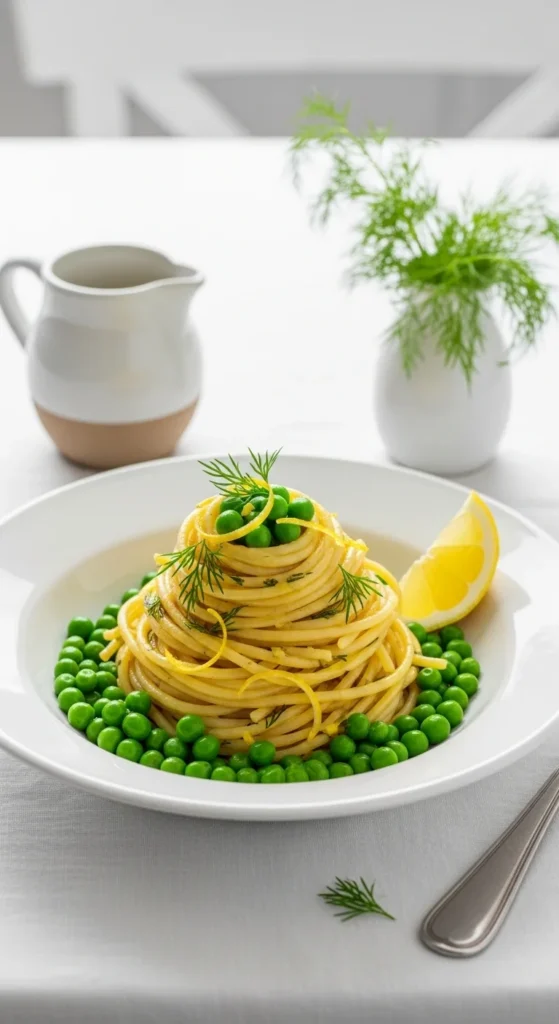
This pasta keeps things simple and relies on balance. Lemon brings brightness, dill adds freshness, and olive oil ties it together without cream or butter. It’s filling but never heavy.
Ingredients
- Pasta of choice
- Frozen or fresh peas
- Olive oil
- Lemon zest and lemon juice
- Fresh dill, chopped
- Salt and black pepper
Instructions
- Bring a pot of salted water to a boil and cook pasta until al dente.
- Add peas during the last 2 minutes of cooking.
- Reserve some pasta water, then drain.
- Return pasta and peas to the pot over low heat.
- Add olive oil, lemon zest, lemon juice, salt, and pepper.
- Toss gently, adding a splash of pasta water if needed.
- Turn off heat and stir in fresh dill.
How to Serve
Serve warm in shallow bowls so the pasta doesn’t pool. Finish with extra dill on top. This works well as a main or next to spring vegetables recipes and eat-salad-style plates.
Conclusion
If vegetarian meals usually feel repetitive or unfinished to you, spring is the easiest time to reset that habit. These recipes lean on fresh vegetables, simple techniques, and flavors that don’t need fixing after the fact. Pick the ones that match what you already buy, cook them once without overthinking, and adjust from there. That’s how they turn into meals you actually come back to.
Leave a Reply