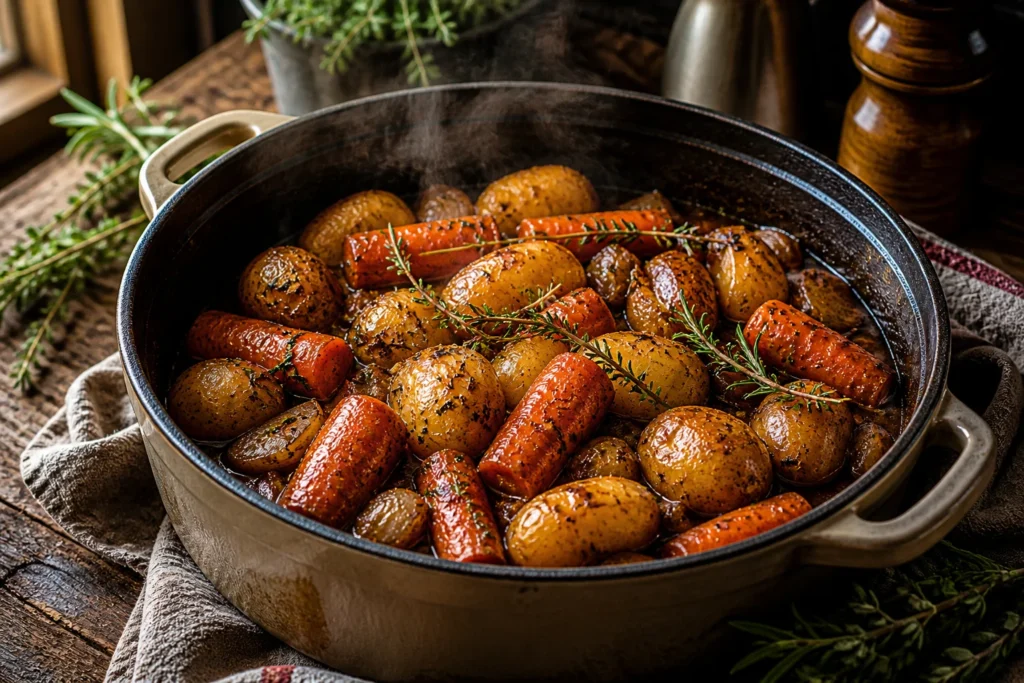
Braising vegetables is one of the simplest ways to turn basic ingredients into something rich and satisfying. Yet most results fall flat because the vegetables are either boiled instead of browned or the liquid is not handled correctly.
A proper braise builds flavor in layers. First comes browning, then slow cooking, and finally reduction. When these stages are done correctly, even simple vegetables develop a deep, savory taste and a soft but structured texture.
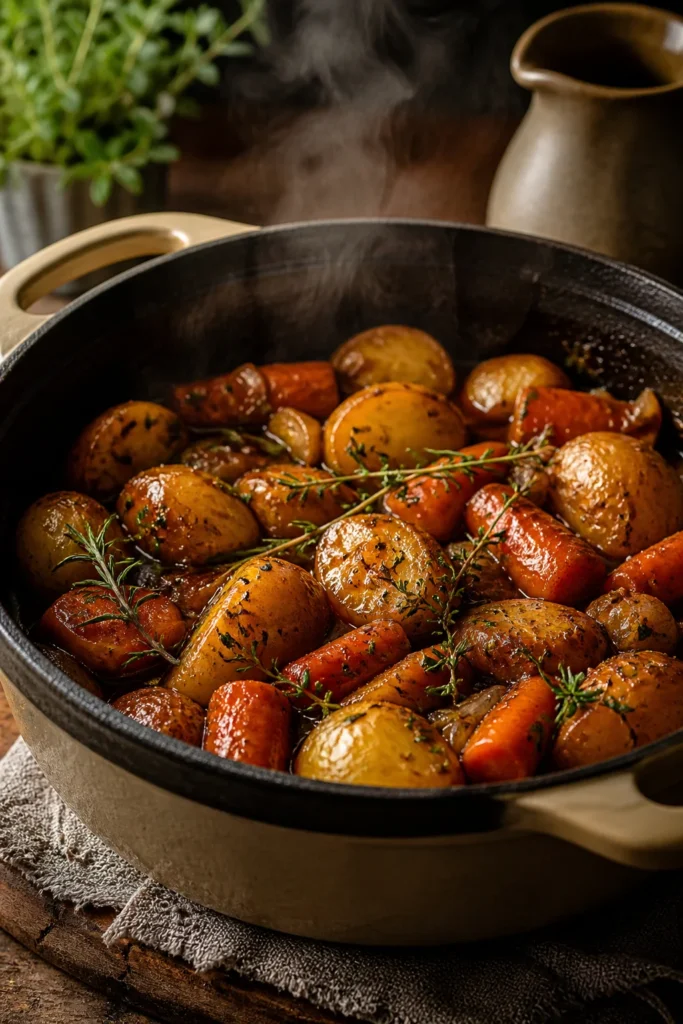
How To Cook Braised Vegetables The Right Way
Braising follows a sequence that should not be rushed or rearranged. Each step builds on the previous one.
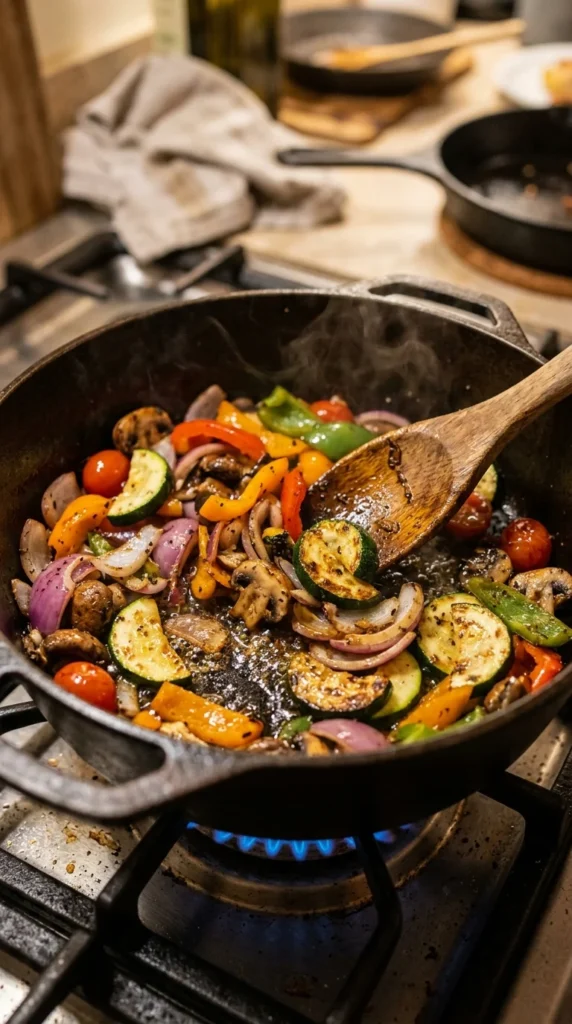
Start by heating oil in a heavy pot and placing vegetables in a single layer. Let them sit without stirring so they develop a golden surface. Once browned, remove them briefly and build the base with aromatics like onion, garlic, or celery.
After that, return the vegetables, add liquid partially, cover, and cook slowly. This method allows the vegetables to absorb flavor while softening evenly.
Build Flavor First With Proper Searing
Use A Single Layer
Crowding the pan causes steaming instead of browning. Keep space between pieces so heat can reach the surface properly.
Let Color Develop
Do not stir too early. Browning creates the base flavor through caramelization, which is essential for depth.
Adding salt early helps draw out moisture, making browning more effective.
Create A Strong Base With Aromatics
Once the vegetables are lightly browned, the next layer comes from aromatics.
Cook a simple mix of onion, carrot, and celery until softened. This forms a base that blends into the final sauce. Garlic and herbs like thyme or oregano can be added for additional depth.
This step is what separates flat-tasting vegetables from a well-rounded dish.
Use The Right Liquid Ratio For Braising
The amount of liquid determines whether the vegetables braise or boil.
Add enough liquid to reach about one-third to halfway up the vegetables. This allows them to soften while still keeping some surface exposed for flavor concentration.
Good options include:
- Vegetable stock for depth
- Water for a lighter result
- A splash of vinegar or balsamic for brightness
Cook Low And Slow For Tender Results
Place the pot in an oven around 325 to 350°F or keep it on a gentle stovetop simmer. This controlled heat allows vegetables to soften gradually without breaking apart.
- Root vegetables usually take 45 to 55 minutes
- Softer vegetables or greens cook much faster, often within 15 to 25 minutes
Check doneness by inserting a fork. It should slide in easily without the vegetable collapsing.
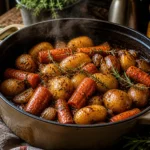
How To Make Braised Root Vegetables Perfectly Tender
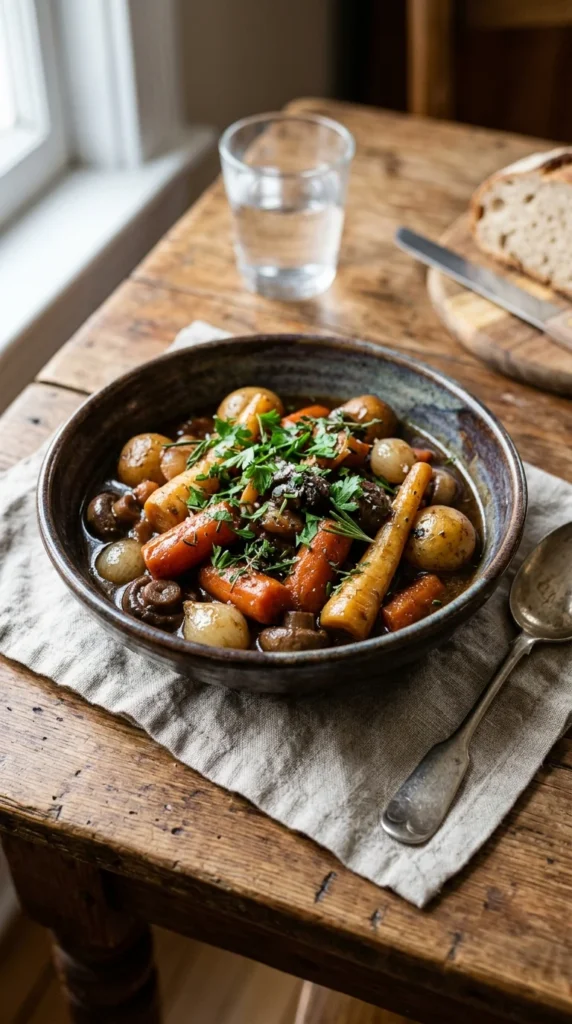
Root vegetables respond especially well to braising because they hold their shape.
Cut Into Large Pieces
Larger chunks prevent overcooking and help maintain structure during long cooking times.
Choose The Right Vegetables
Carrots, potatoes, parsnips, and cabbage work particularly well because they absorb flavor without becoming mushy.
This makes braised root vegetables ideal for hearty meals.
Reduce The Liquid Into A Flavorful Sauce
Once the vegetables are tender, remove the lid and allow the liquid to simmer until slightly thickened.
This step concentrates the natural flavors released during cooking and creates a light glaze that coats the vegetables.
For a thicker texture, some of the softened aromatics can be blended back into the liquid.
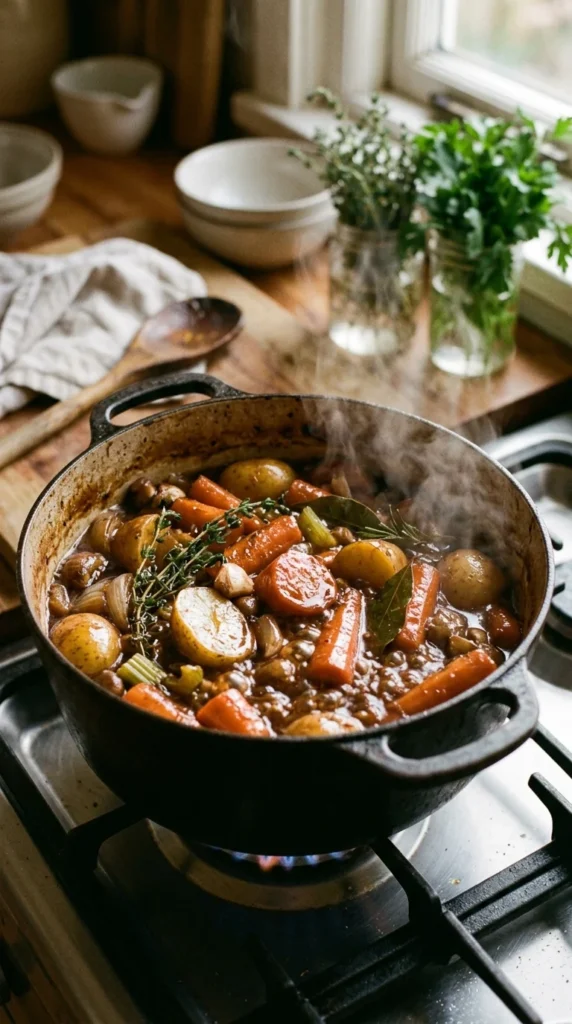
Vegetarian Braised Vegetables With More Depth
Vegetarian braising can still produce rich, satisfying results when handled correctly.
Add depth by combining:
- Herbs for aroma
- Acid like vinegar to balance richness
- Stock instead of plain water
The result feels layered and complete, even without meat-based ingredients.
Healthy Vegetable Braising Without Heavy Ingredients
Braising does not require heavy fats or rich sauces to work well.
Using minimal oil and relying on natural vegetable flavors keeps the dish lighter while still flavorful. The slow cooking process allows vegetables to release their own juices, which become part of the final sauce.
This makes it a practical option for everyday cooking.
Best Braised Vegetables For Consistent Results
Some vegetables perform better than others in a braise.
- Root vegetables hold shape and absorb flavor
- Cabbage softens while maintaining structure
- Zucchini or greens work for shorter braises
Choosing the right vegetable ensures better texture and avoids overcooking.
Common Mistakes That Affect Braised Vegetables
Skipping The Browning Step
Without searing, the final dish lacks depth and tastes flat.
Adding Too Much Liquid
Excess liquid turns braising into boiling, which weakens flavor.
Cooking At High Heat
Rapid cooking breaks down vegetables too quickly and results in a mushy texture.
Final Thoughts
Braising vegetables is less about ingredients and more about process. Browning, controlled liquid, and steady heat all work together to create depth.
Once these steps are followed correctly, the method becomes flexible. Different vegetables, liquids, and herbs can be used while still producing a consistent and satisfying result.