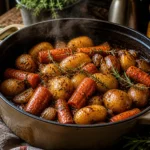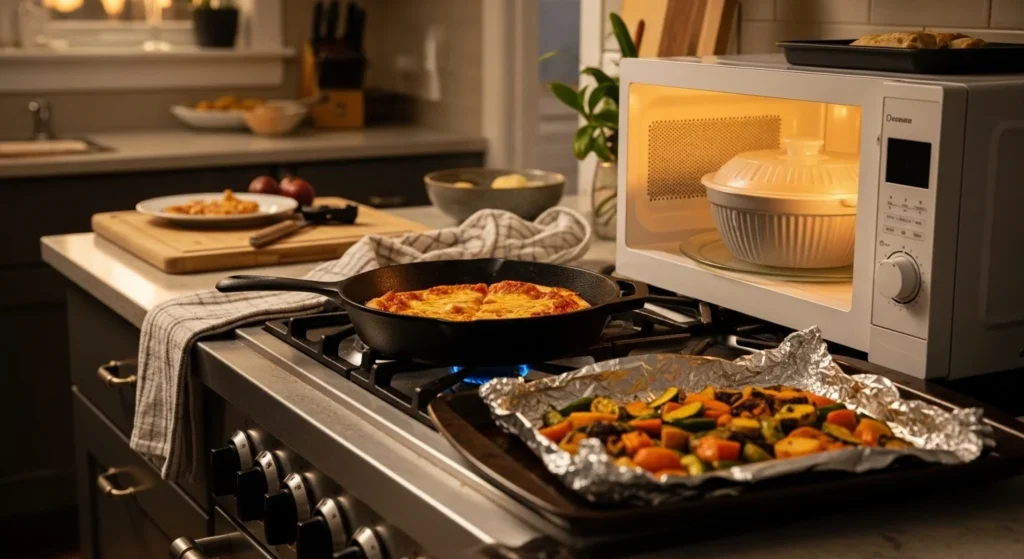
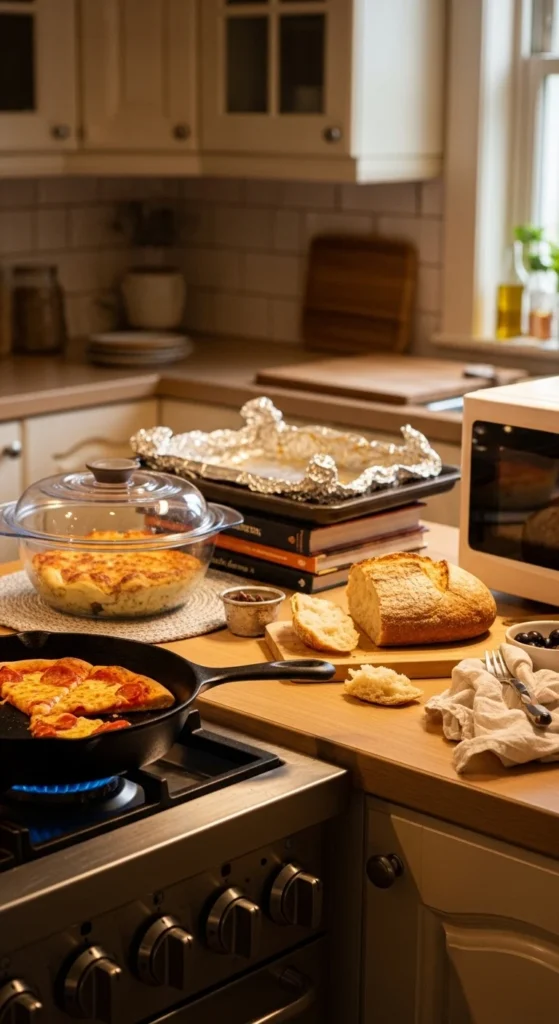
Leftovers lose quality mainly because of moisture loss and uneven heating. When food is reheated too quickly or without protection, the outside overcooks while the inside stays cold. Fixing this comes down to controlling heat and adding back lost moisture.
Different foods need different approaches. Rice needs steam, meats need gentle heat, and crispy foods need dry heat. Once you match the method to the food type, leftovers stop tasting like leftovers and start tasting freshly cooked again.
Choose The Right Reheating Method First
Before turning anything on, decide how the food should feel after reheating. Soft foods need moisture, while crispy foods need dry heat.
Use this as a quick guide:
- Rice, pasta, and grains need moisture
- Meat and casseroles need gentle heat
- Pizza and fried food need dry heat
- Bread needs direct heat
This simple decision prevents most reheating mistakes
Restore Moisture Before Heating
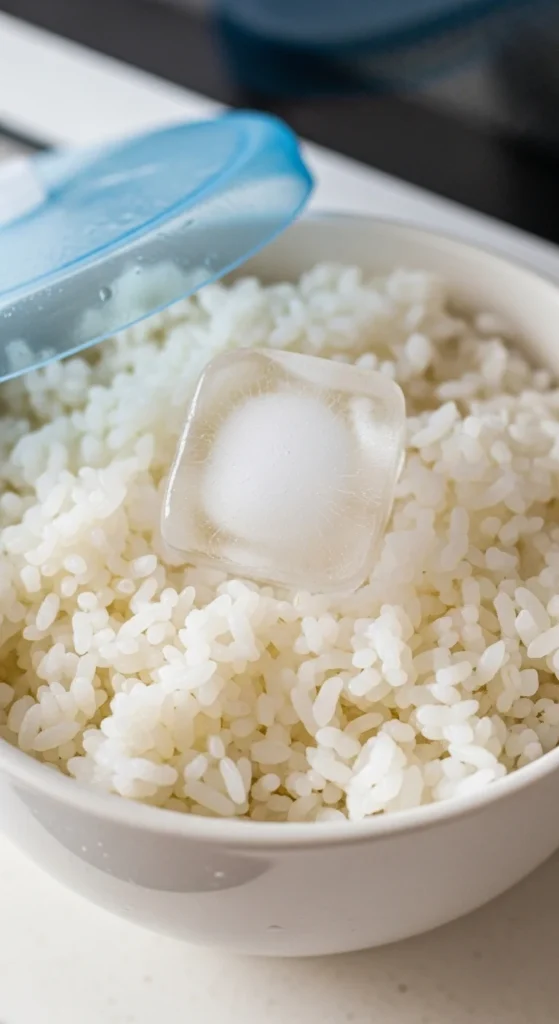
Dryness is the biggest reason leftovers taste bad. Adding a small amount of liquid creates steam, which brings food back to life.
Do this properly:
- Sprinkle water or broth over rice or pasta
- Add a spoon of sauce to meats
- Cover the food to trap steam
Even a small amount of moisture makes a visible difference in texture.
Reheat Slowly Instead Of Using High Heat
Fast heating ruins texture. High temperatures push moisture out, making food rubbery or tough.
Follow this method:
- Use medium or low heat on the stovetop.
- Keep oven between 250°F and 350°F
- Heat in short intervals if using a microwave
Slower reheating keeps food closer to its original texture.
Use The Skillet For Foods That Need Texture
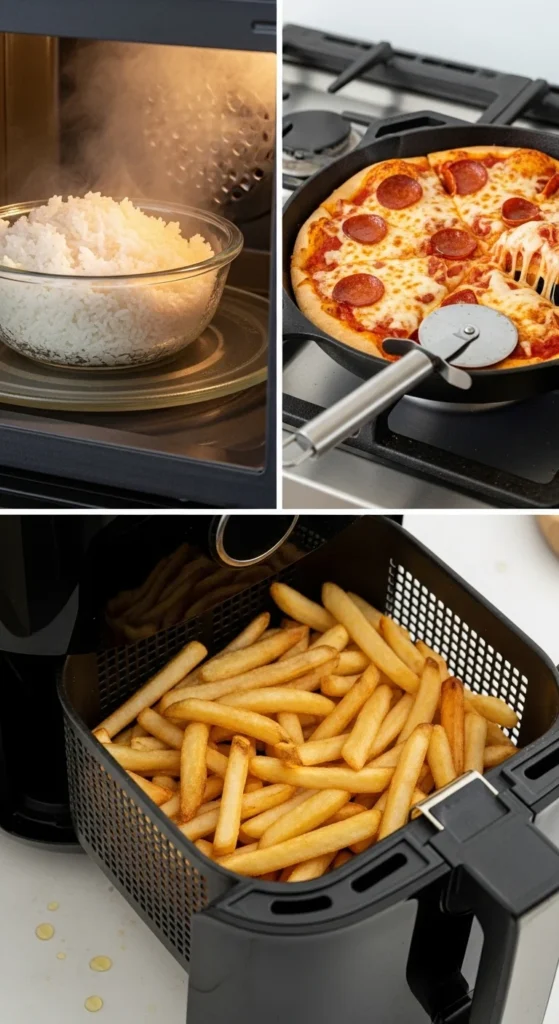
Some foods need both crispness and softness. A skillet allows you to control both at the same time.
For best results:
- Heat the pan on medium
- Place food directly in the pan
- Add a few drops of water beside it
- Cover with a lid
This creates a crispy base while keeping the top soft and heated evenly.
Cover Food To Avoid Uneven Heating
Leaving food uncovered leads to dry edges and cold centers. Covering traps heat and distributes it evenly.
Use:
- A lid for stovetop
- Foil for oven dishes
- A microwave-safe cover for quick reheating
This simple step prevents most texture issues.
Heat In Intervals And Check Frequently
Microwaves heat unevenly. If you leave food inside for too long, parts of it will overcook.
Do this instead:
- Heat for short bursts
- Stir or flip in between
- Rotate the container if needed
This keeps the temperature consistent throughout the food.
Common Problems And How To Fix Them
These are the issues people face most often and the exact fixes that solve them.
Food Turns Soggy Instead Of Fresh
Too much trapped moisture causes this. Remove the lid during the final minute or switch to dry heat like a skillet or air fryer.
Meat Becomes Tough And Chewy
High heat is usually the problem. Reheat slowly and add a small amount of liquid to keep it tender.
Rice Feels Dry Or Hard
Lack of steam leads to this texture. Add water, cover it, and heat gently so the grains absorb moisture again.
Uneven Hot And Cold Spots
This happens when food is not stirred or rotated. Break it into smaller portions and mix halfway through heating.
Crispy Food Loses Crunch
Moist environments ruin texture. Use a skillet, oven, or air fryer instead of a microwave to bring back crispness.
Reheat Different Foods The Right Way
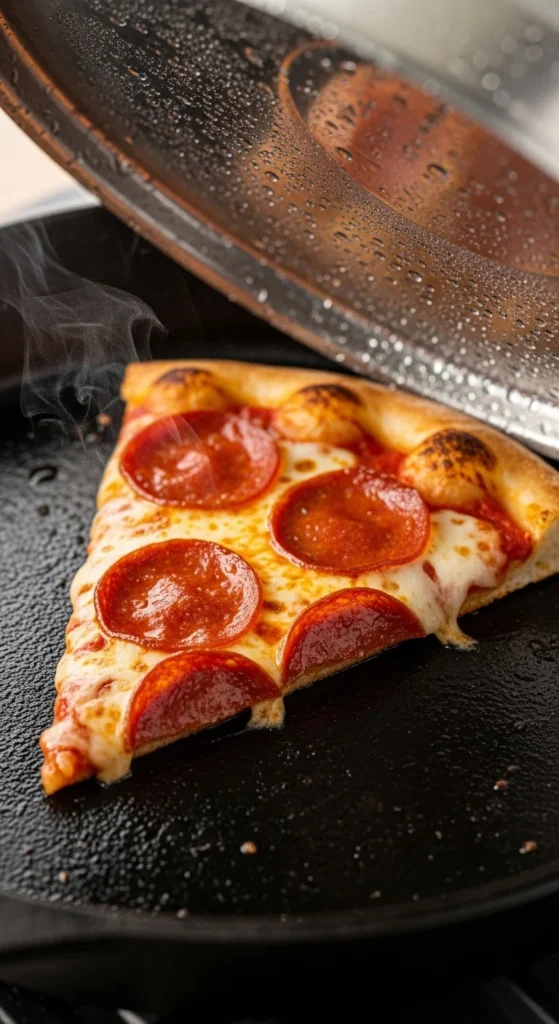
Each food needs a slightly different approach.
- Rice needs added moisture and covering
- Pizza needs skillet reheating
- Fried food needs dry heat
- Meat needs slow reheating
- Pasta needs sauce added before heating
Matching the method to the food gives the best results.
Add Fresh Elements After Heating
Reheating restores temperature, not freshness. Small additions at the end improve flavor.
Try this:
- Add fresh herbs
- Squeeze lemon juice
- Add a small drizzle of oil or butter
These finishing touches bring back the original taste.
Final Thoughts
Good reheating depends on controlling heat, moisture, and timing together. When each step is handled properly, leftovers regain their texture and flavor instead of becoming dry, soggy, or unevenly heated.