A good buffet doesn’t need complicated food. What matters more is how easy it is for people to pick things up, move along, and actually enjoy what’s on the table without confusion or mess.
The simplest setups usually work best. Small portions, clear sections, and a mix of hot and cold items keep everything running smoothly. Once that base is right, even basic food starts to feel well put together instead of thrown on a table.
1. Build-Your-Own Taco Bar
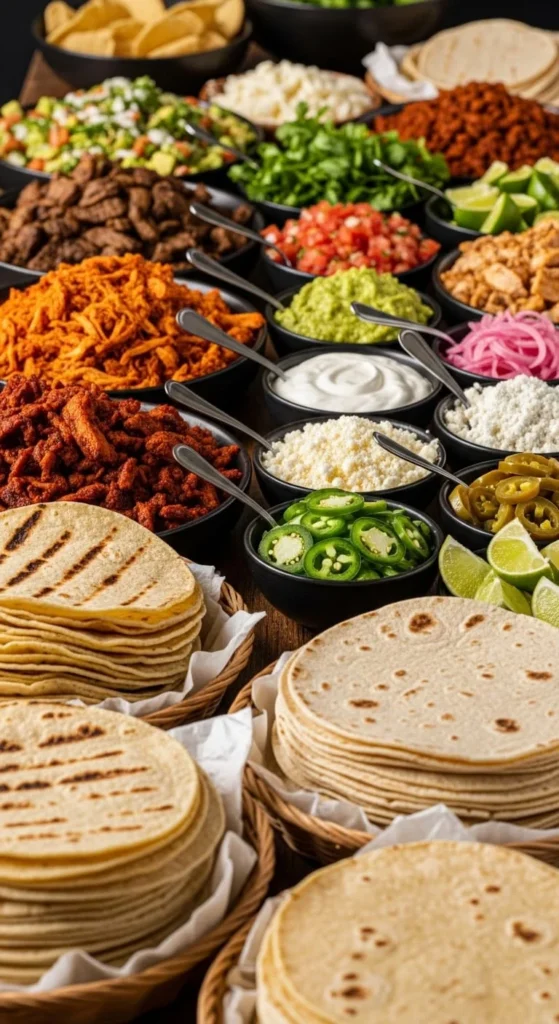
This setup keeps things moving because guests already understand how it works. No one pauses to figure it out, which makes it ideal when you have a larger group.
What to Include
- Soft and hard tortillas
- Chicken, beef, or beans
- Lettuce, cheese, salsa, onions
- Sauces in squeeze bottles
How to Set It Up
Place plates and tortillas at the start, follow with proteins while they’re still warm, and finish with toppings and sauces so people don’t crowd one section.
2. DIY Slider Station
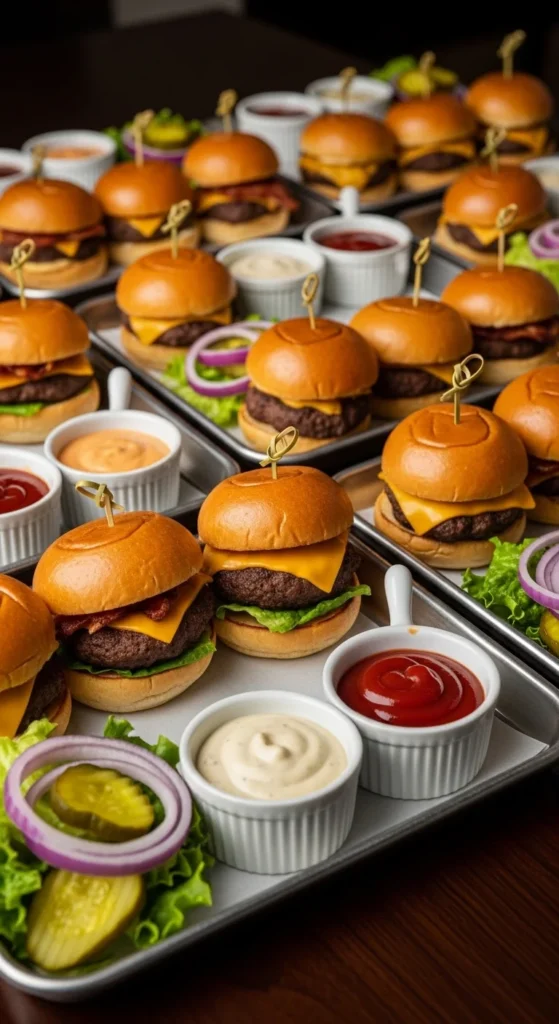
Sliders work well when you want something filling but still easy to handle. Smaller portions mean guests can try more without feeling stuck with one option.
What to Include
- Mini buns
- Chicken or beef patties
- Cheese slices
- Simple toppings and sauces
How to Set It Up
Arrange buns first, then patties, then toppings. Keep everything spread out on trays so nothing gets hidden or hard to reach.
3. Pasta Bar with Sauce Options
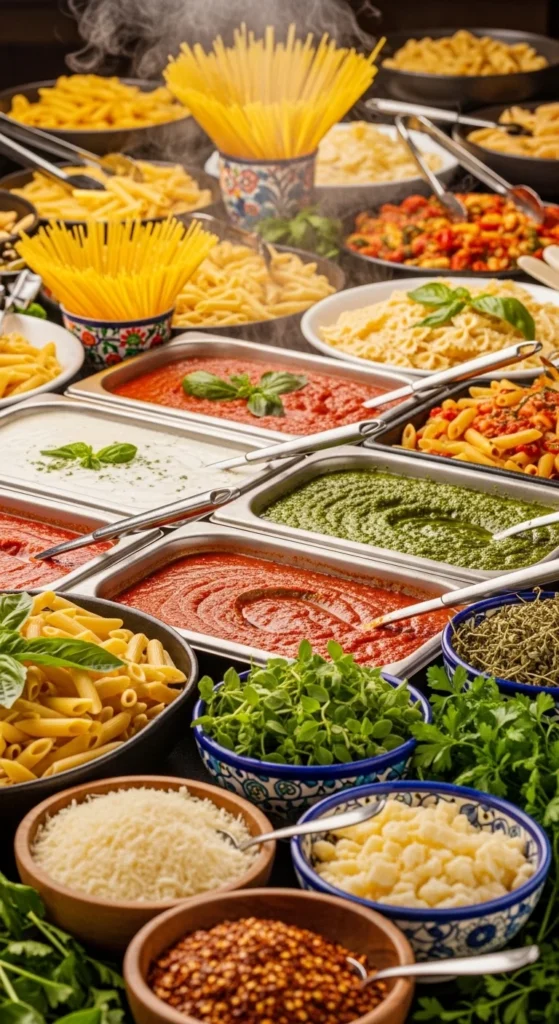
This is a good choice when you want something more substantial. It gives guests a proper meal without complicating the setup.
What to Include
- 1–2 pasta types
- Cream-based and tomato-based sauces
- Add-ons like chicken or vegetables
- Cheese and herbs
How to Set It Up
Keep pasta and sauces side by side so guests don’t double back, and use deeper containers to hold heat longer.
4. Loaded Nacho Table
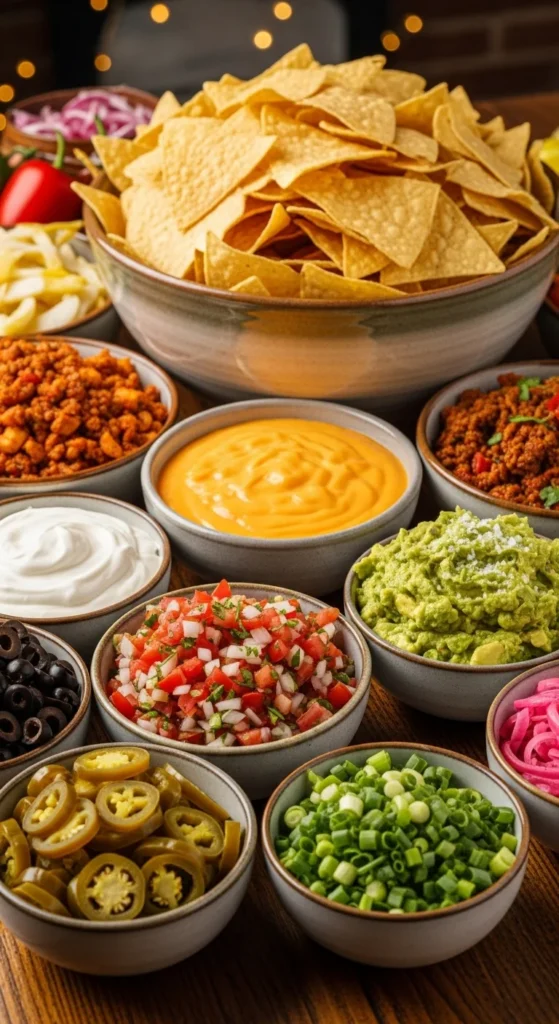
It’s quick to assemble and easy to maintain. Even as people serve themselves, it still looks full if you refill in smaller portions.
What to Include
- Tortilla chips
- Cheese sauce or shredded cheese
- Beans, jalapeños, olives
- Salsa, sour cream
How to Set It Up
Start with chips in large bowls, then line up toppings in order so guests move forward instead of reaching across.
5. Crostini & Bruschetta Bar
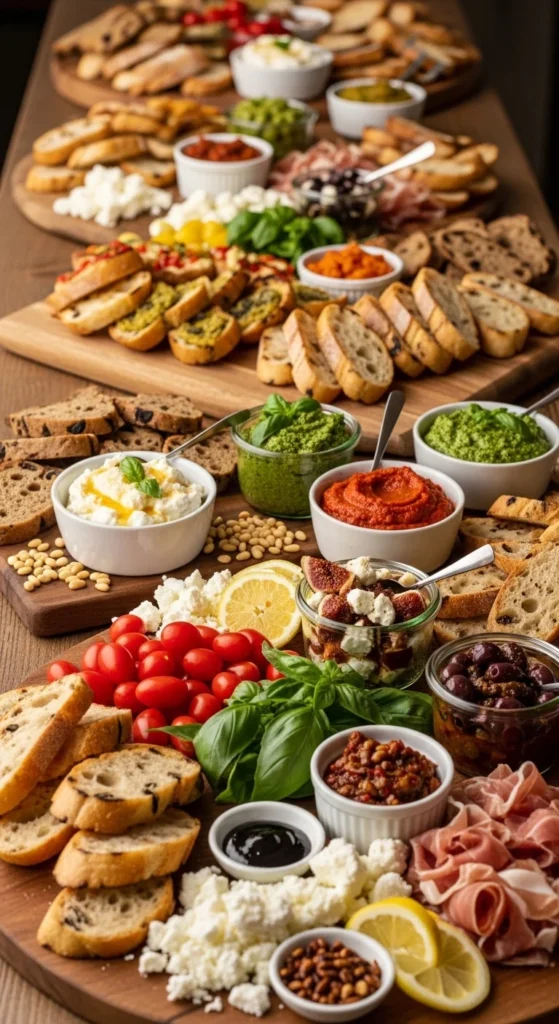
This adds a slightly elevated feel without making things complicated. It looks detailed, but the base is still simple.
What to Include
- Toasted bread slices
- Creamy or savory spreads
- Fresh toppings like tomato or olives
- Olive oil and herbs
How to Set It Up
Keep the bread slightly raised so it stands out, and arrange spreads and toppings in a straight line so guests can build without crossing over each other.
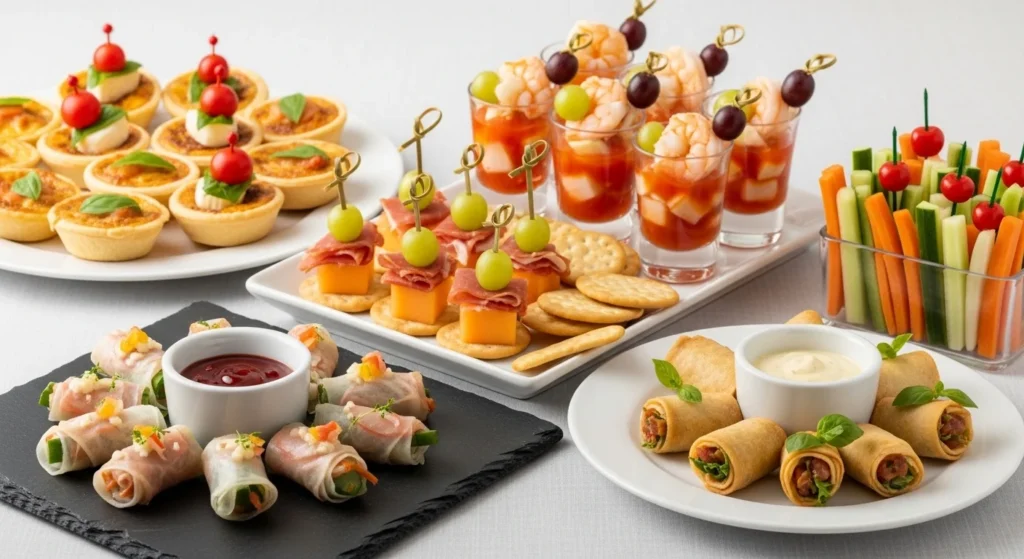
6. Finger Food Party Table (Mini Sandwiches & Bites)
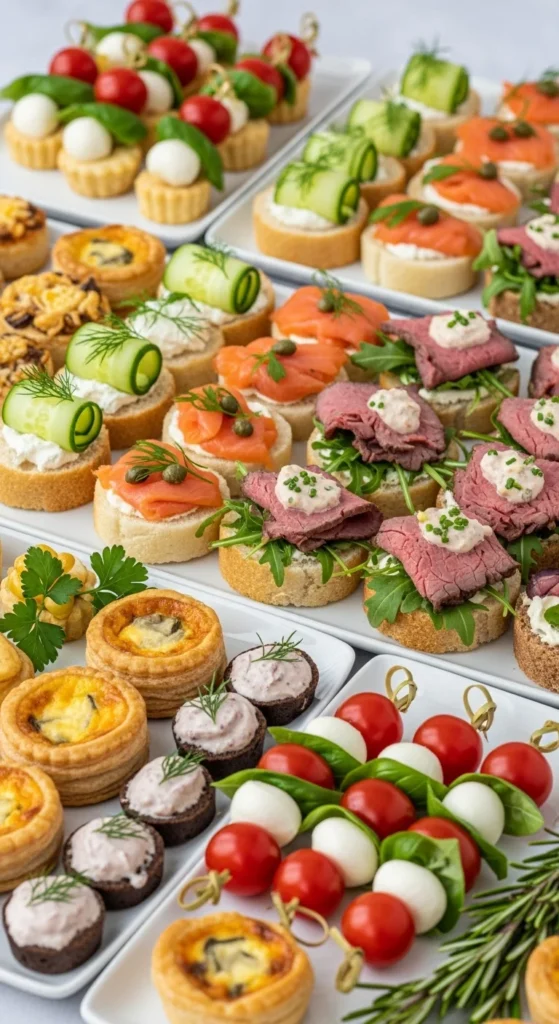
This is where things feel easy for everyone. No plates balancing, no cutting, no waiting. People grab what they want and move on, which keeps the table from getting crowded.
What to Include
- Mini sandwiches or wraps
- Stuffed pastries or rolls
- Skewers or bite-sized snacks
- A couple of dips on the side
How to Set It Up
Spread items across multiple platters instead of stacking them together, and place dips slightly off to the side so they don’t slow down the main flow.
7. BBQ Buffet Table Setup
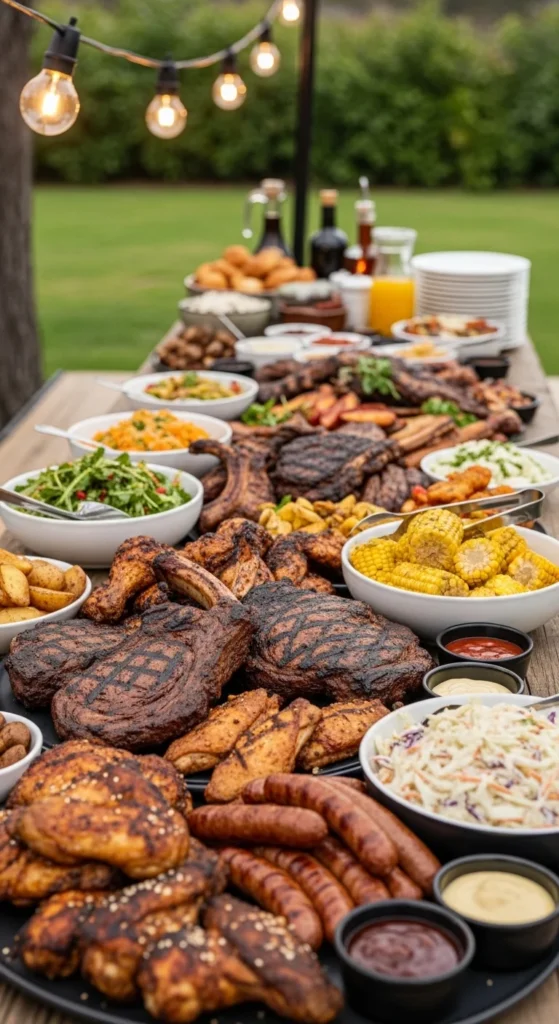
This setup works best when everything feels relaxed but still organized. The food is simple, so the layout needs to do the work.
What to Include
- Grilled chicken or beef
- Corn, potatoes, or baked sides
- BBQ sauces and condiments
How to Set It Up
Keep hot items grouped together in the center, with sides on either side so guests can build their plate without moving back and forth.
8. Comfort Food Buffet (Mac & Cheese, Bakes, Sides)
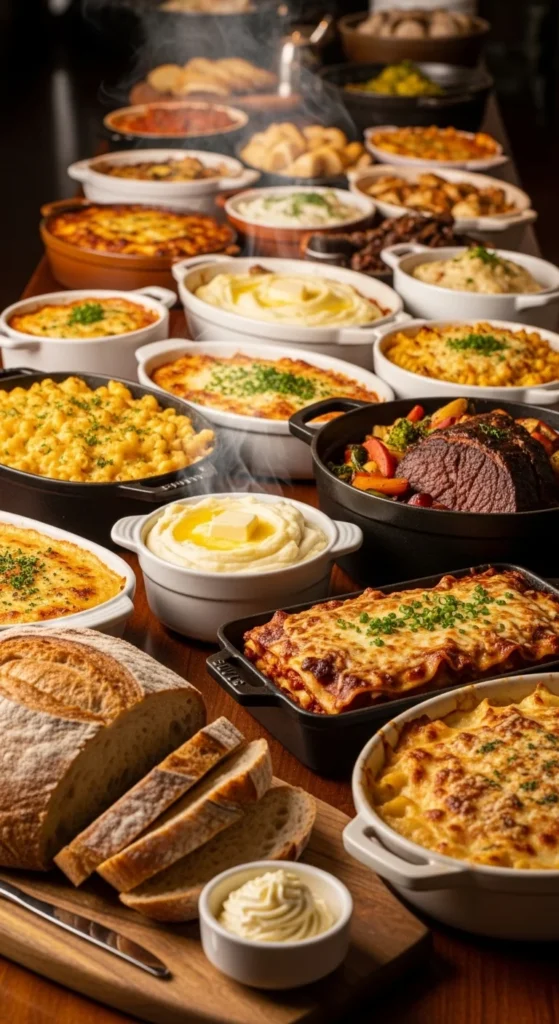
Heavier dishes naturally slow people down, so the setup needs to stay clear and uncluttered. Fewer options here usually work better than too many.
What to Include
- Mac and cheese
- Baked casseroles
- Roasted vegetables or sides
How to Set It Up
Use deeper trays to keep food warm longer, and leave enough space between dishes so serving spoons don’t overlap.
9. Chicken & Rice Crowd Buffet
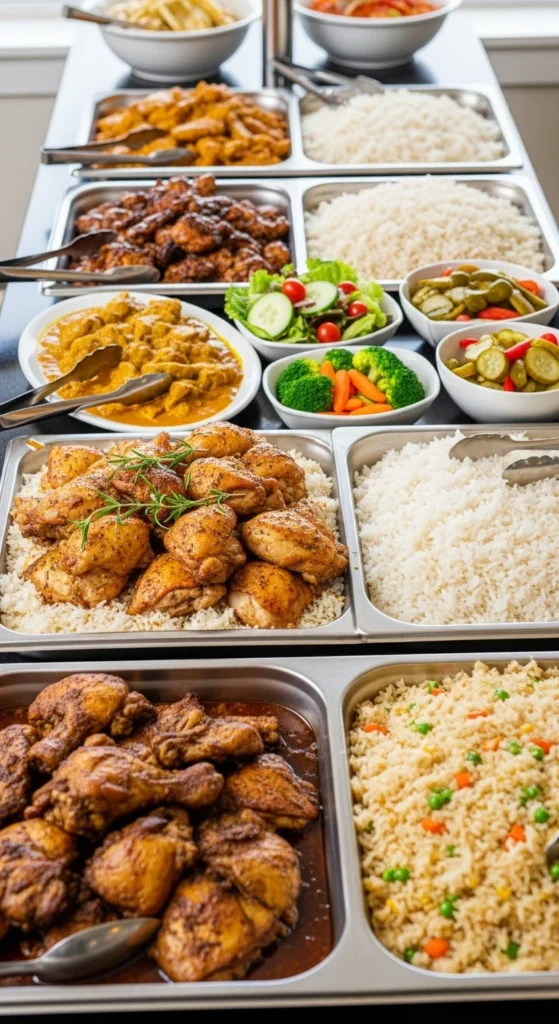
This is built for volume. It feeds a lot of people without needing too many separate dishes, which makes it easier to manage during busy events.
What to Include
- Seasoned chicken (grilled or baked)
- Plain or lightly spiced rice
- A simple sauce or yogurt-based side
How to Set It Up
Place rice first so guests portion it easily, then chicken, then sauces at the end to avoid bottlenecks where people tend to pause.
10. Mixed Appetizer Grazing Table
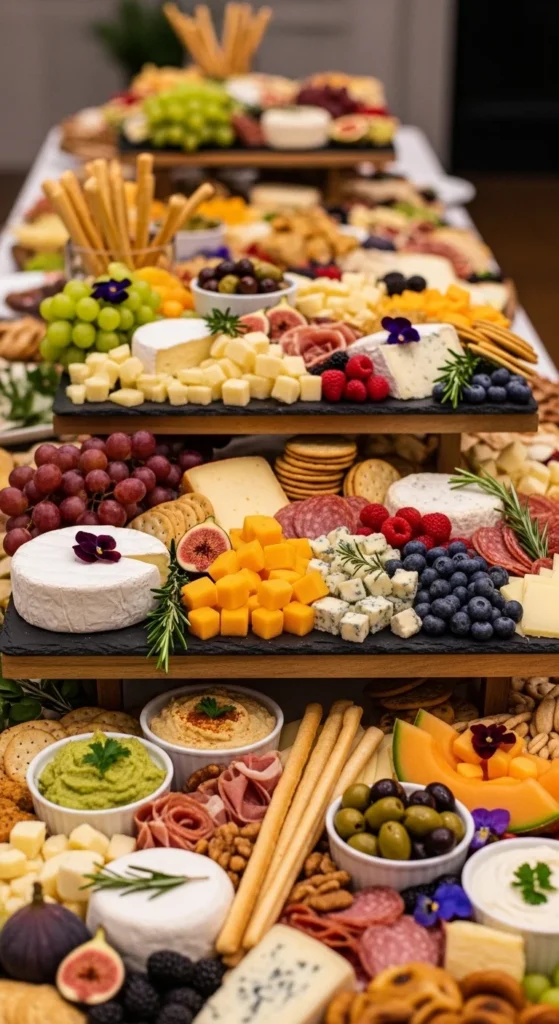
A grazing setup feels relaxed, but it still needs some thought behind it. The goal is to make everything look full and inviting without turning it into a crowded mess.
What to Include
- Cheese, crackers, and sliced bread
- Fresh fruits and nuts
- Cold cuts or small protein items
- Dips like hummus or yogurt-based spreads
How to Set It Up
Start with larger boards or bowls, then fill the gaps with smaller items so the table looks naturally abundant without stacking things on top of each other.
11. Mediterranean Mezze Table
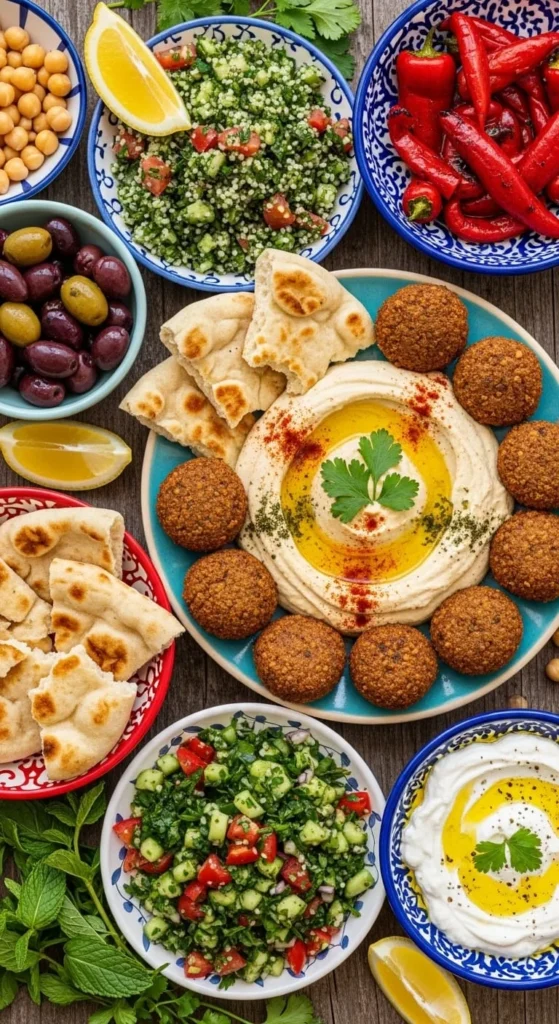
Light, fresh, and easy to mix, this style lets guests build their plate however they like instead of following a fixed order.
What to Include
- Hummus and other dips
- Falafel or grilled vegetables
- Olives, salads, and pickled sides
- Flatbread or pita
How to Set It Up
Keep dips grouped together and place bread around them so everything feels connected and easy to assemble without searching across the table.
12. Asian-Inspired Dumpling & Noodle Bar
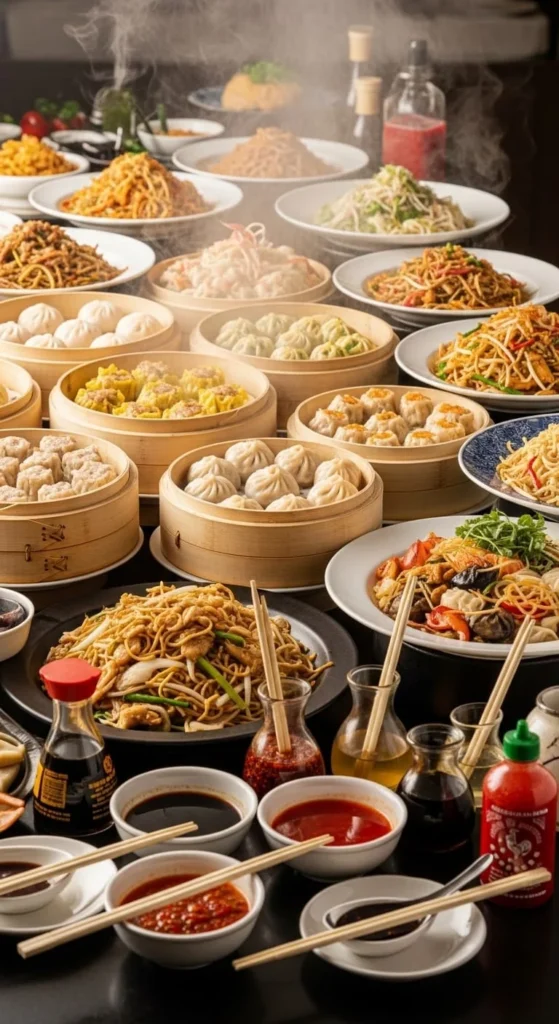
Guests move through this setup quickly when everything is arranged in a clear sequence, especially when bowls are involved.
What to Include
- Dumplings
- Noodles or rice
- Vegetables
- Soy-based or chili sauces
How to Set It Up
Place bowls first, then base items, then dumplings, and keep sauces toward the end so people don’t pause in the middle of the line.
13. Mexican Fiesta Buffet
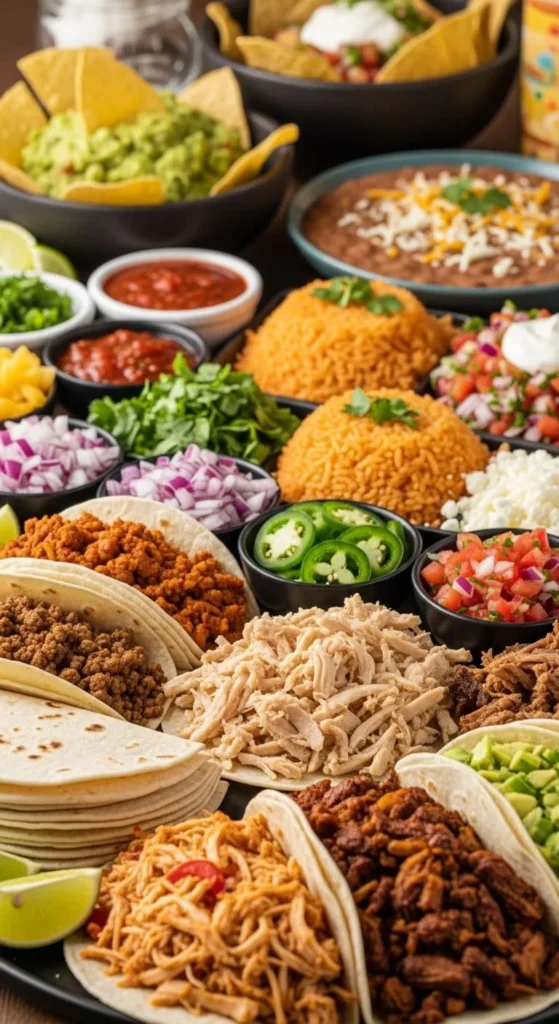
Bold flavors and multiple components can easily slow things down, so spacing and order matter more here than the number of dishes.
What to Include
- Rice and beans
- Grilled meats or vegetables
- Salsa, cheese, guacamole
- Tortillas or shells
How to Set It Up
Lay out base items first, then proteins, then toppings so guests build their plate in one direction without doubling back.
14. Middle Eastern Grill Table
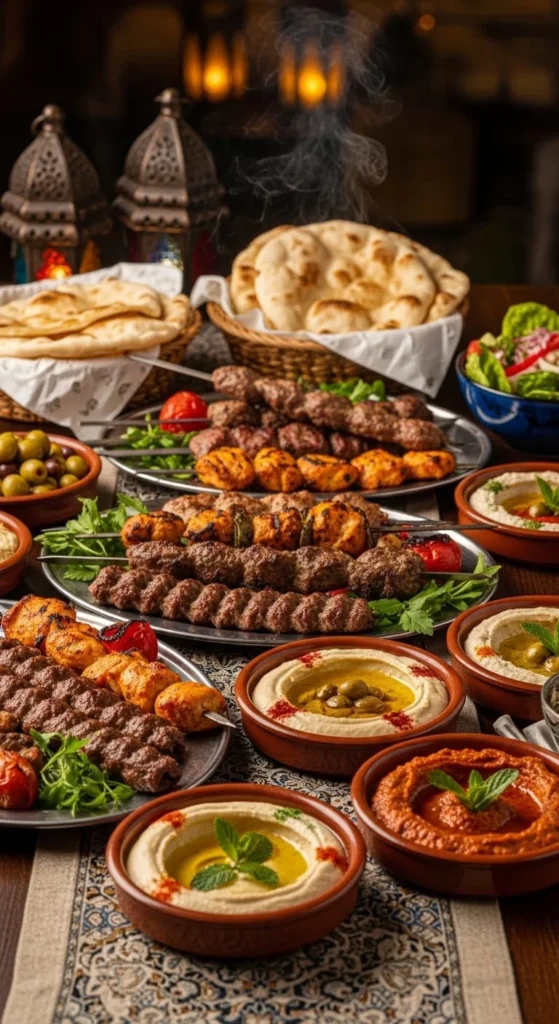
Grilled items bring strong flavor on their own, so the rest of the table should stay simple and supportive rather than competing with them.
What to Include
- Chicken or beef kebabs
- Flatbread
- Dips like garlic sauce or tahini
- Fresh salads or pickled sides
How to Set It Up
Place grilled items at the center while they’re still warm, with bread and dips around them so guests can build quickly without searching for combinations.
15. Italian Antipasto & Pasta Combo
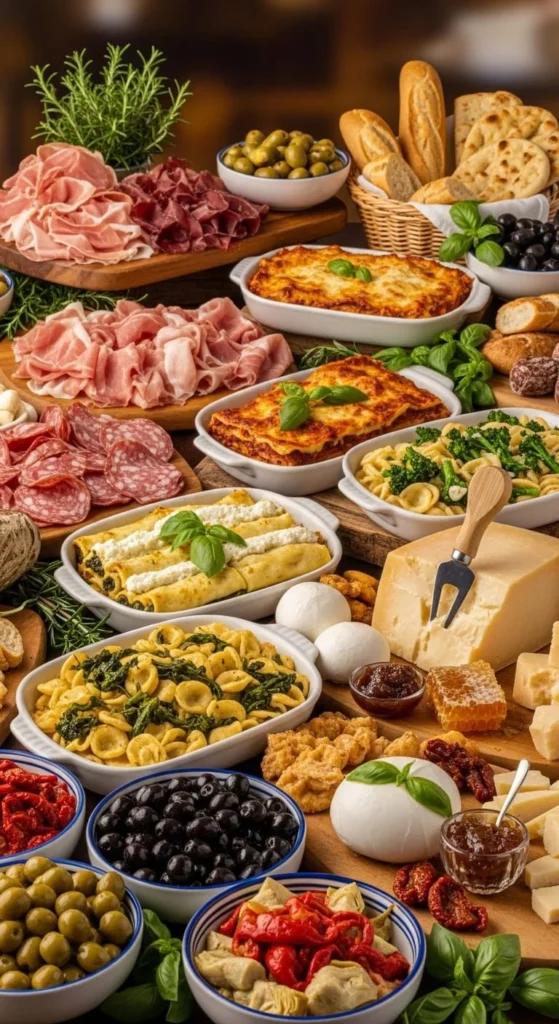
Combining lighter starters with one main dish keeps the table balanced. Guests can begin with small bites and still have something more filling available.
What to Include
- Cured meats and cheeses
- Olives and marinated vegetables
- One or two pasta dishes
- Bread or breadsticks
How to Set It Up
Keep antipasto items toward the front for easy grazing, and place pasta slightly further along so those who want a full portion can move through without blocking others.
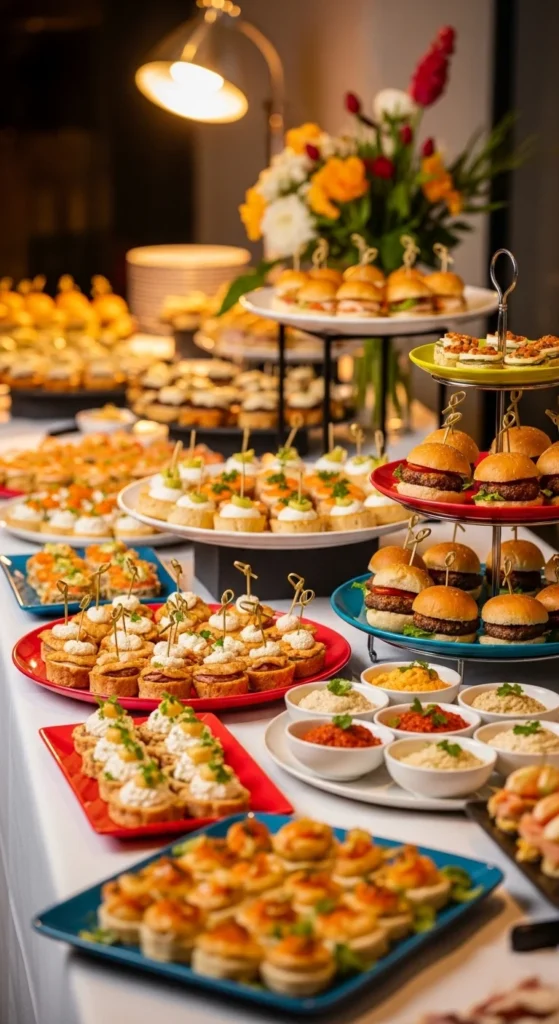
16. Wedding-Style Elegant Buffet
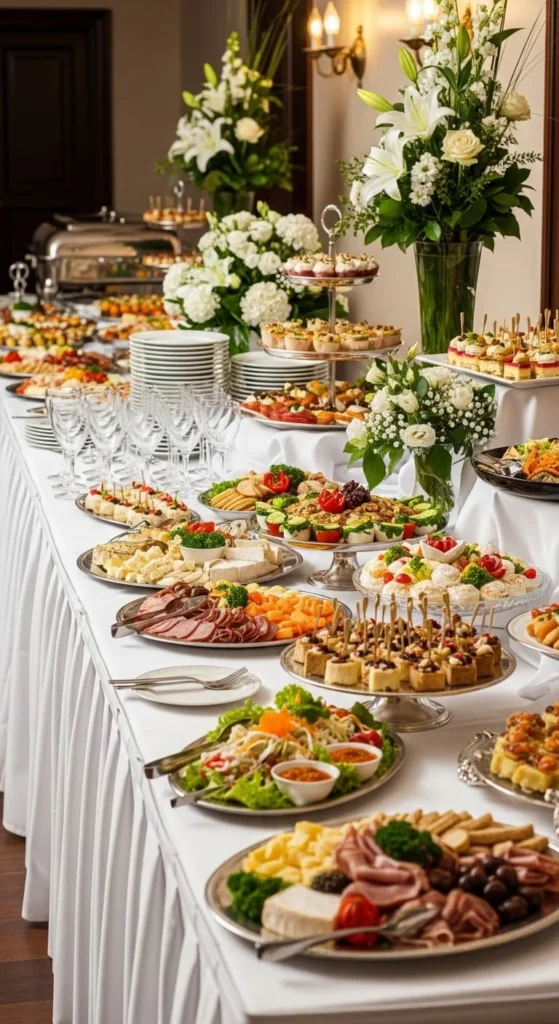
Presentation matters more here than quantity. Clean spacing and coordinated elements give the table a polished look without needing excessive decoration.
What to Include
- Light appetizers or canapés
- One or two refined main dishes
- Soft-colored desserts
- Minimal, coordinated serveware
How to Set It Up
Use height with stands or risers to avoid a flat layout, and leave enough space between dishes so each item stands out instead of blending together.
17. Minimal Neutral Buffet Setup
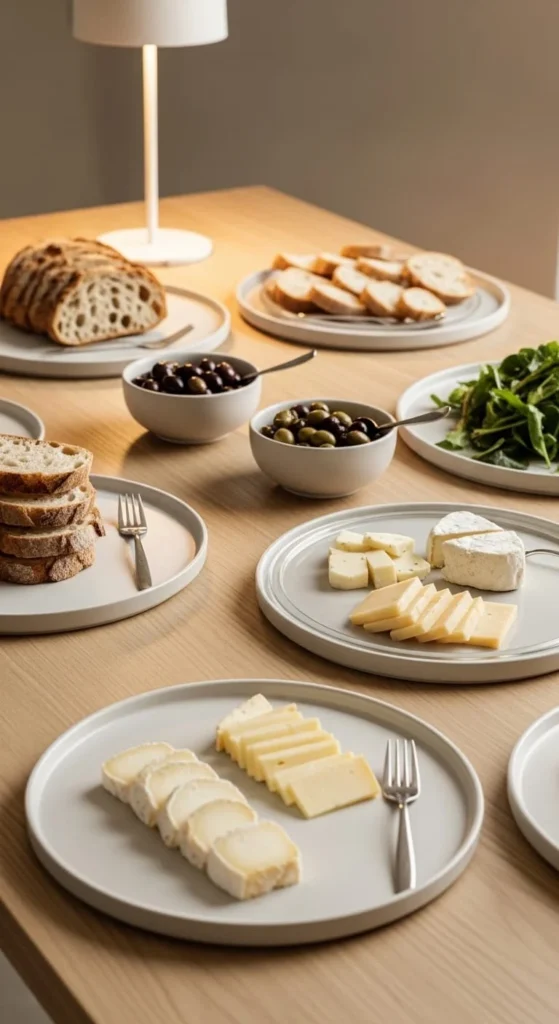
A quieter setup relies on restraint. Fewer items, clean colors, and simple plating create a more controlled and intentional feel.
What to Include
- 3–5 well-chosen dishes
- Neutral-toned serveware
- Simple sides or accompaniments
- Subtle decorative elements
How to Set It Up
Keep spacing consistent and avoid overcrowding so each item has room, which makes the overall setup look more organized without extra effort.
18. Garden Floral Party Table
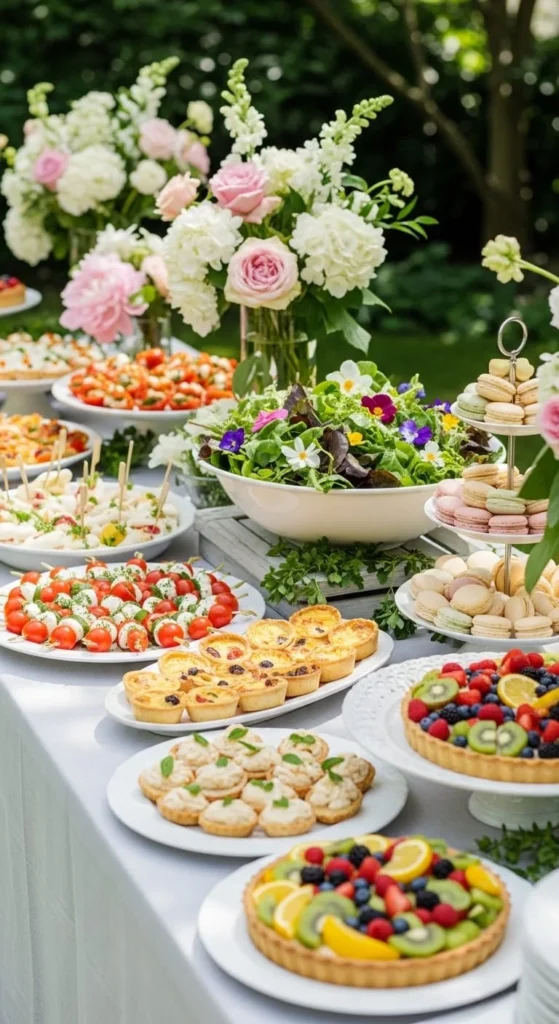
An outdoor-style setup benefits from lighter food and softer colors. The overall feel comes from small details rather than heavy dishes.
What to Include
- Light sandwiches or pastries
- Fresh fruits
- Salads or cold dishes
- Floral or herb-based garnishes
How to Set It Up
Keep colors soft and balanced, and spread items out so the table feels open instead of crowded, especially if you’re working with natural light.
19. Retro Party Buffet
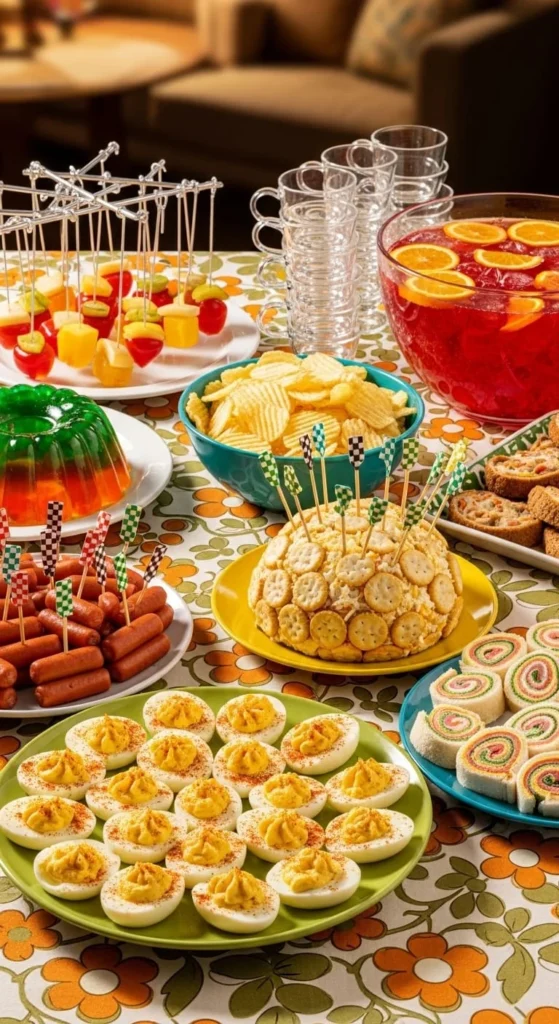
Classic dishes bring familiarity, but presentation can still feel updated with smaller portions and cleaner arrangement.
What to Include
- Deviled eggs
- Mini sandwiches
- Cheese and crackers
- Simple desserts
How to Set It Up
Use smaller platters and repeat items across the table so it stays visually full without stacking everything in one place.
20. Kids’ Snack Table
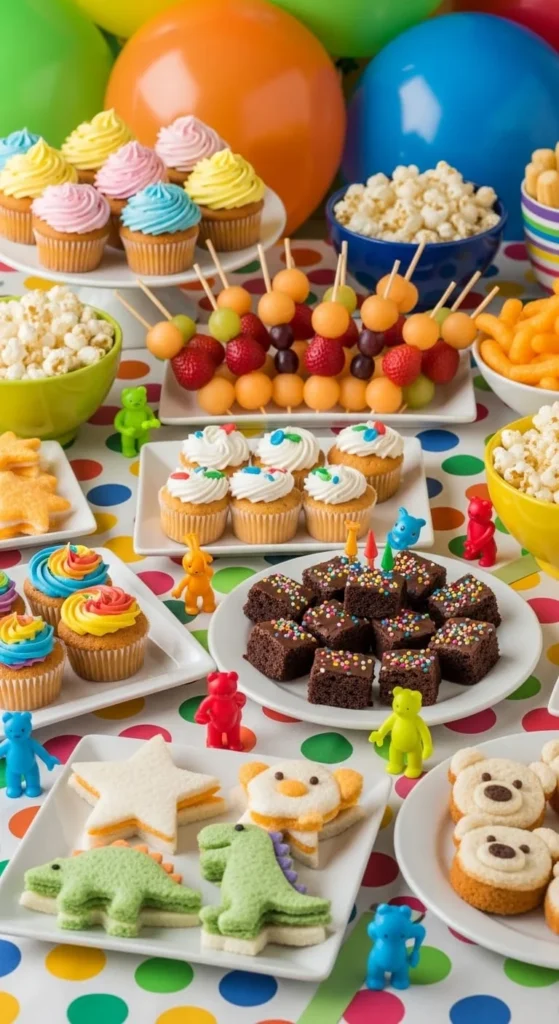
The focus here is ease and accessibility. Everything should be simple to pick up, with no need for cutting or assembling.
What to Include
- Mini sandwiches or sliders
- Fruit skewers
- Bite-sized snacks
- Small sweet treats
How to Set It Up
Keep everything within easy reach and separate items clearly so kids can choose quickly without mixing things up.
21. Dessert Bite Table
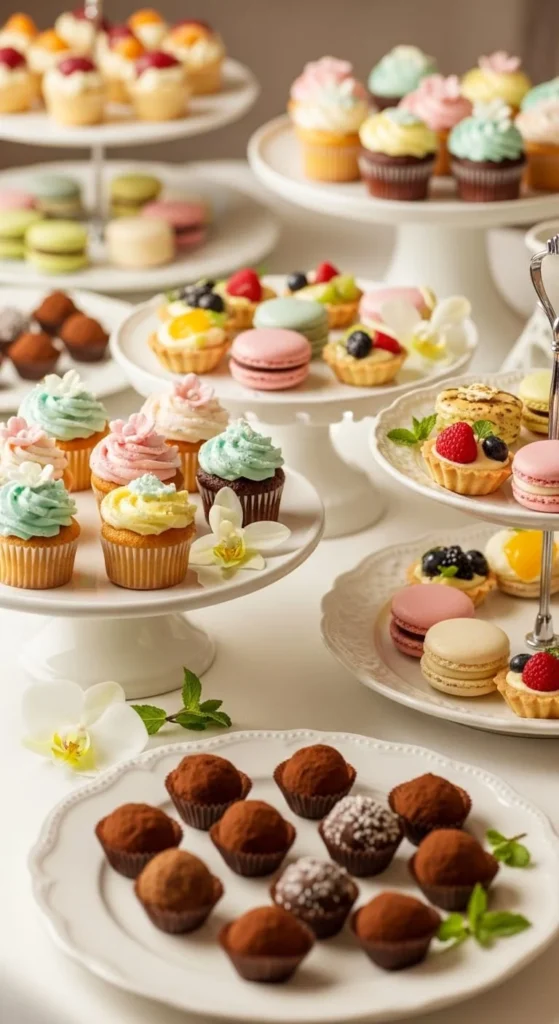
Smaller portions make it easier to offer variety without overwhelming the table or the guests.
What to Include
- Mini cupcakes or brownies
- Dessert cups
- Small pastries
- Fruit-based sweets
How to Set It Up
Arrange desserts at different heights so the table looks layered, and avoid placing everything at the same level.
22. Dip & Sauce Station
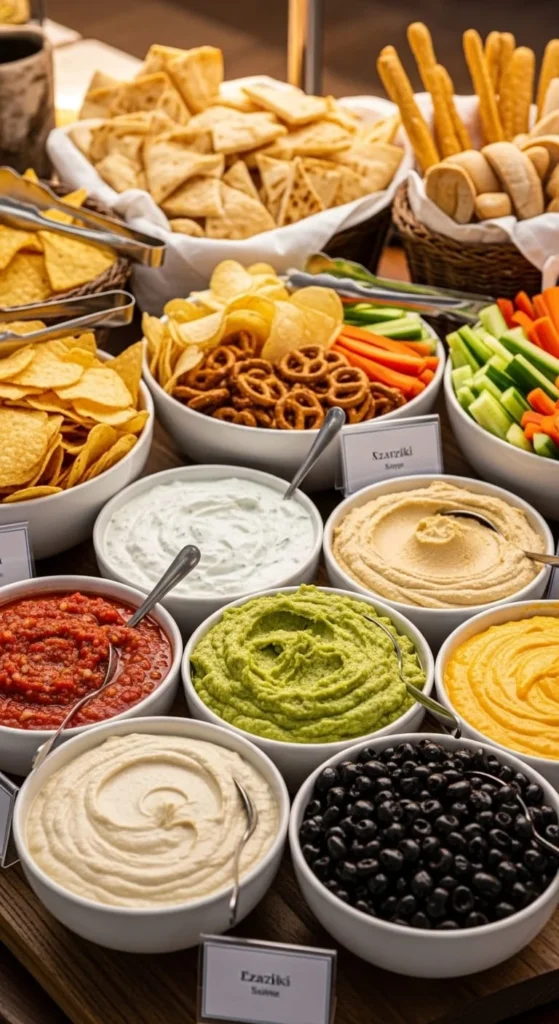
A dedicated dip area adds variety without adding extra cooking. It also gives guests something to return to throughout the event.
What to Include
- 3–5 dips (savory and mild)
- Chips, bread, or crackers
- Vegetable sticks
- Small serving spoons
How to Set It Up
Place dips in a central cluster and surround them with dippers so everything is easy to reach from any side.
Conclusion
A buffet like this is really about making things easier on yourself while still giving people options they actually enjoy. When the food is simple to pick up, clearly placed, and doesn’t require explaining, everything runs smoother without you needing to manage it constantly.
Instead of trying to add more dishes, focusing on how things are arranged and how people move through the table makes a bigger difference. Once that part is handled, even basic food feels well thought out, and the whole setup starts to take care of itself.