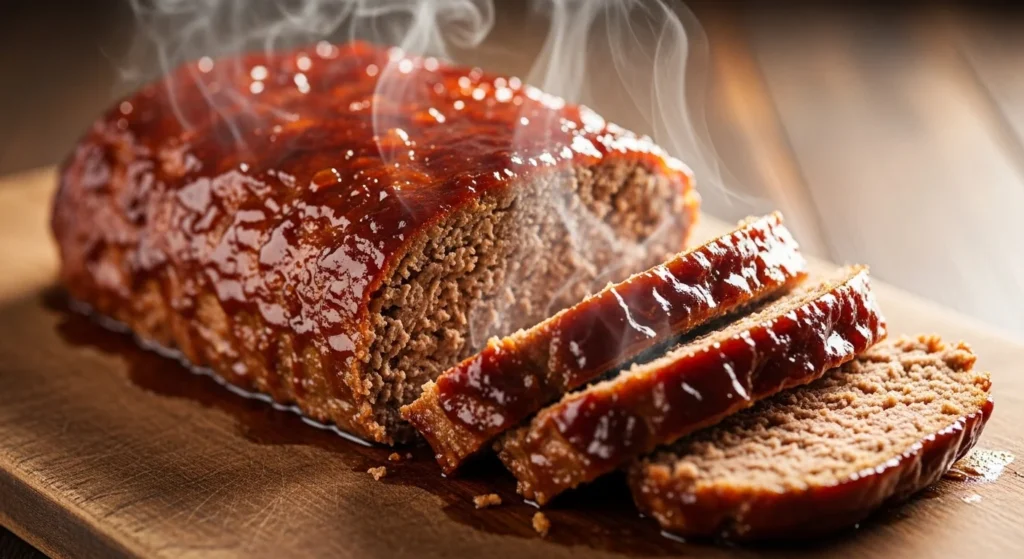
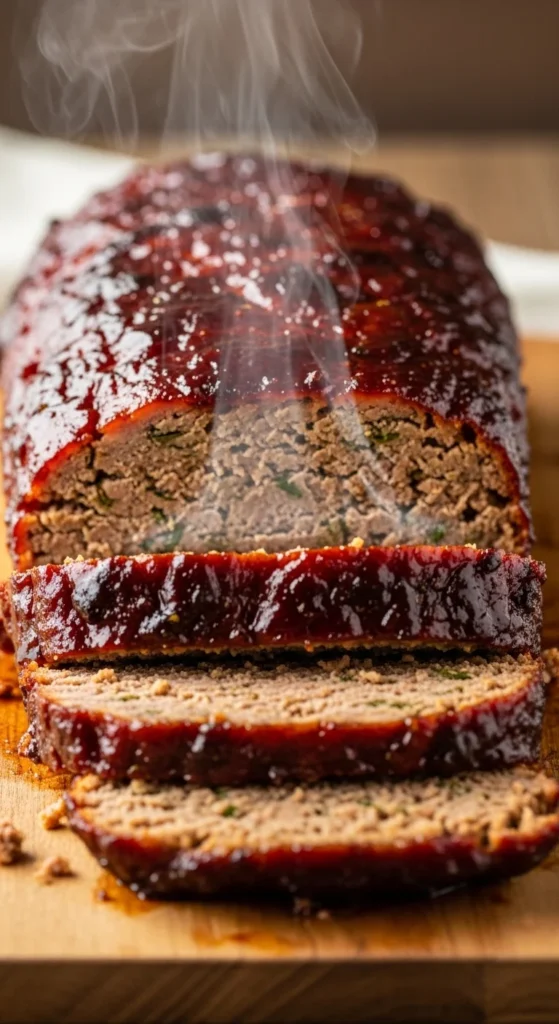
Meatloaf often turns out dense, greasy, or bland because the process is misunderstood. Most problems come from three areas: how the meat is handled, how moisture is managed, and when the glaze is applied. Fixing these points changes the result completely.
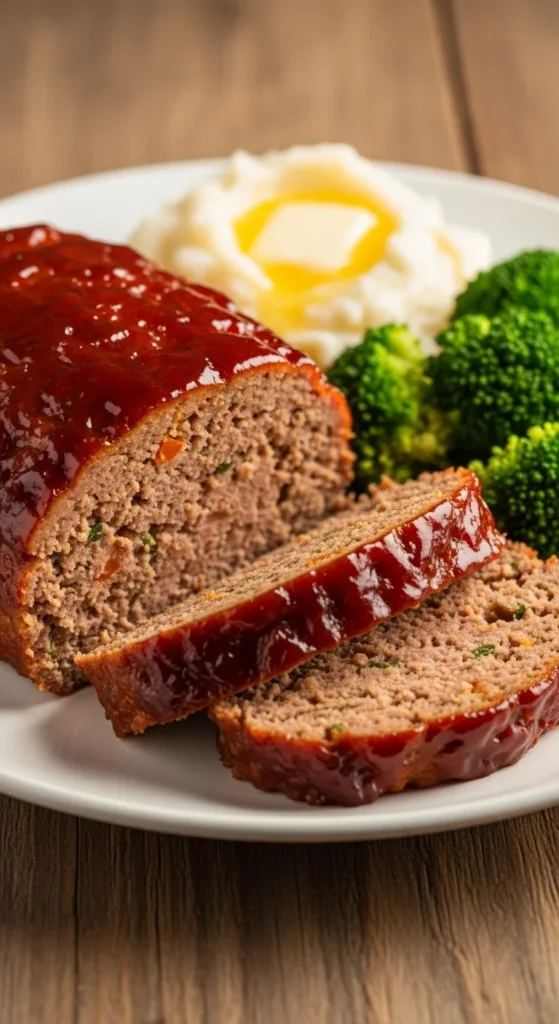
A properly made meatloaf should stay soft inside, hold together when sliced, and develop a slightly sticky, caramelized top. This guide follows a clear sequence so each stage supports the final texture and flavor.
What Defines a Proper Sweet and Savory Meatloaf Recipe
A well-made meatloaf depends on balance, not complexity.
- The glaze should combine sweetness with acidity and umami, not just sugar
- The interior should remain tender from proper binding, not compact from overmixing
- The exterior should brown evenly without sitting in excess grease
When these are aligned, the meatloaf feels structured and flavorful instead of heavy.
Step-by-Step Method for a Homemade Meatloaf Recipe
Follow this sequence carefully so texture, moisture, and glaze develop correctly.
Step 1: Prepare the Panade First
Combine breadcrumbs with milk or broth and let it fully absorb. This creates a soft binder that keeps the meatloaf tender instead of dry.
Step 2: Build a Flavor Base Before Adding Meat
Lightly sauté finely chopped onions and garlic until softened, then let them cool. This removes sharpness and adds depth.
Step 3: Use the Correct Meat Ratio
Choose ground beef around 85% lean. This level provides enough fat for moisture while avoiding excess grease.
Step 4: Combine Ingredients Without Overworking
Add the panade, cooked aromatics, Worcestershire sauce, seasoning, and meat into one bowl. Mix gently just until combined.
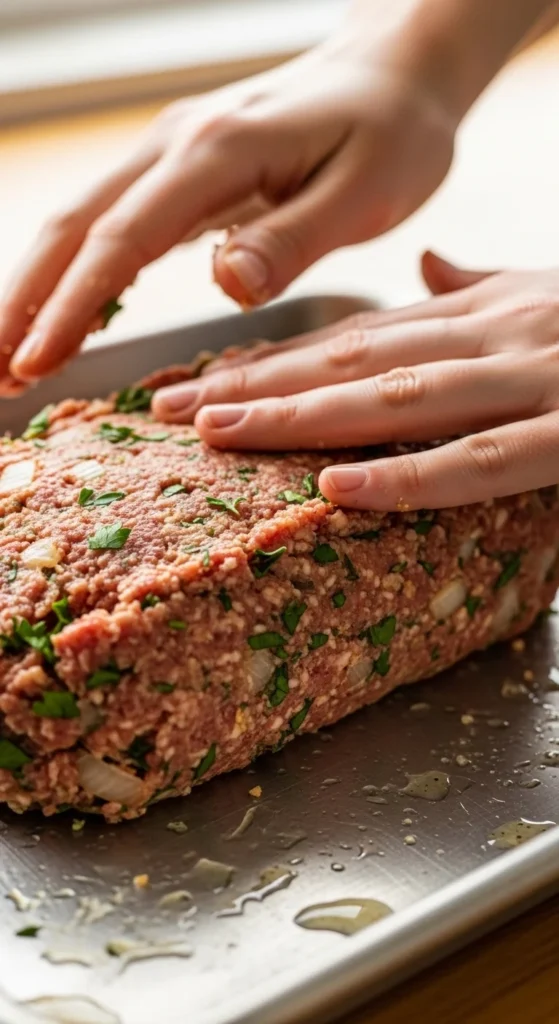
Step 5: Shape a Free-Form Loaf
Transfer the mixture onto a lined baking tray and shape it into a loaf. Avoid using a loaf pan to prevent a soggy base.
Step 6: Prepare a Sweet and Savory Glaze
Mix ketchup, brown sugar, and Worcestershire sauce. This creates a glaze that balances sweetness with tang and depth.
Step 7: Right Temperature
Place the loaf in a preheated oven at 350°F so it cooks evenly without drying out.
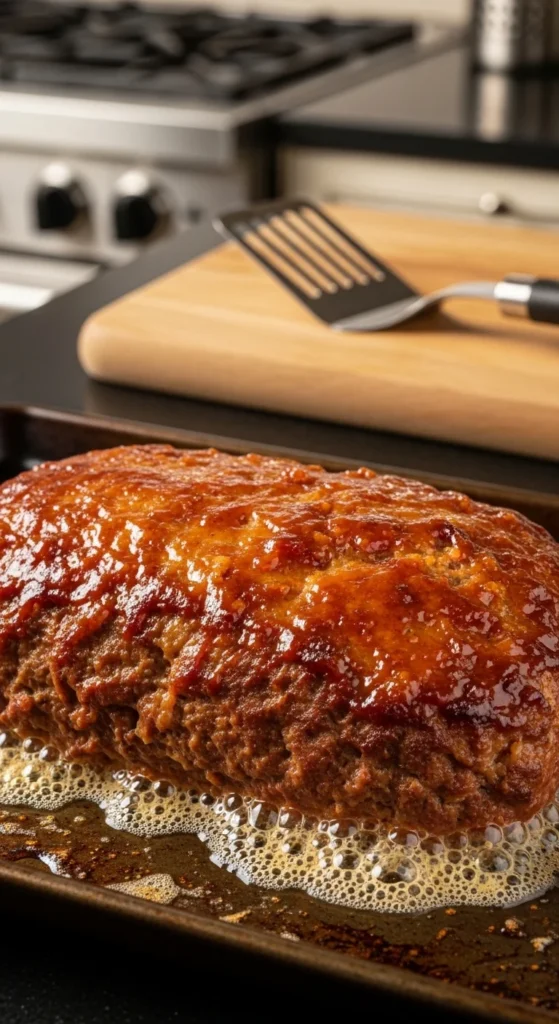
Step 8: Manage Fat During Cooking
Halfway through baking, carefully remove excess grease from the tray to avoid a heavy texture.
Step 9: Apply Glaze in Two Stages
Brush half of the glaze midway, then apply the rest near the end to build a caramelized coating.
Step 10: Check Internal Temperature
Remove the meatloaf when it reaches 160°F in the center.
Step 11: Rest Before Slicing
Let it rest for 10 to 15 minutes so the juices redistribute and the structure holds.
Meatloaf Cooking Time and Oven Setup Guide
The cooking environment directly affects texture and moisture.
- Place the tray on the middle rack for even heat distribution
- Leave space around the tray for airflow
- Keep the meatloaf uncovered so the glaze can caramelize
Cooking time usually ranges from 45 to 60 minutes depending on size. Always confirm doneness with temperature instead of relying only on time.
Common Meatloaf Mistakes and How to Fix Them
Overmixing the Meatloaf Mixture
Handling the mixture too much compresses it and removes air pockets. This leads to a dense texture instead of a tender one.
Using the Wrong Meat Ratio
Very lean meat dries out, while high-fat blends release too much grease. A balanced ratio prevents both problems.
Baking Meatloaf in a Loaf Pan
A loaf pan traps moisture and fat, preventing proper browning. A free-form loaf allows better airflow.
Applying the Glaze Too Early
Adding glaze too soon causes it to burn before the meat finishes cooking. Staged glazing solves this.
Skipping Grease Removal
Leaving fat in the tray leads to a greasy texture. Removing it midway improves the final result.
Flavor Variations for Sweet and Savory Meatloaf
You can improve depth without complicating the process.
- Add sautéed onions for deeper flavor
- Use panko breadcrumbs for a lighter texture
- Mix a small amount of tomato paste into the base
- Adjust glaze with vinegar or spice for balance
These changes refine the flavor while keeping the method simple.
Final Thoughts
A consistent meatloaf comes from managing texture, moisture, and glaze timing rather than adding more ingredients. Each stage contributes to the final structure and flavor.
When handled correctly, the result stays balanced, with a tender interior and a properly developed sweet and savory finish.