Batch cooking is not just about cooking more food. It is about cooking smarter so you don’t have to think about meals every single day. When done properly, it removes daily decision-making, reduces cooking time during the week, and helps you eat more consistently without relying on random meals.
Most people fail at batch cooking because they either cook the wrong foods, store them incorrectly, or don’t plan how those meals will be used. Once you understand how to structure your week, choose the right recipes, and store food properly, batch cooking becomes simple and repeatable.
Plan Before You Cook
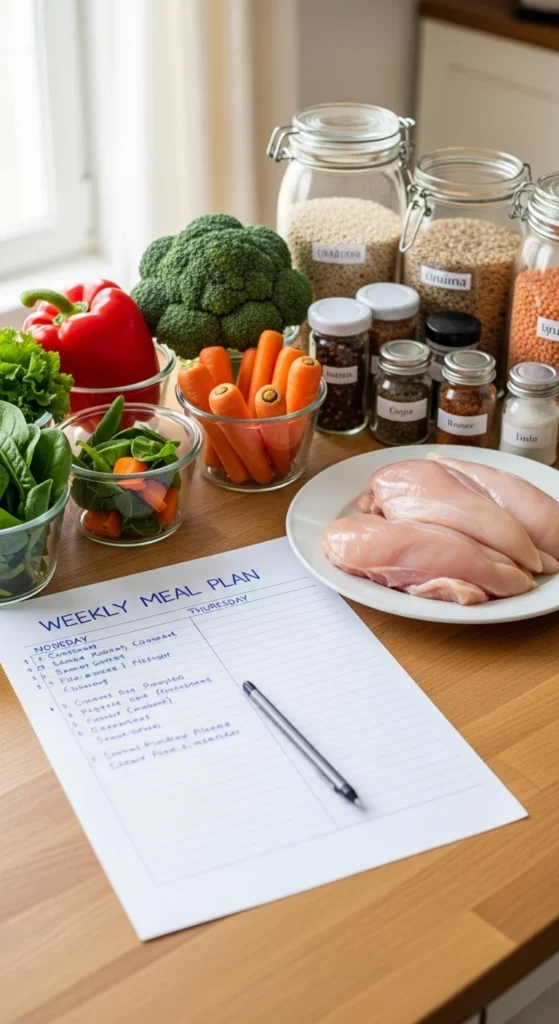
Batch cooking starts before you even turn on the stove. Without a plan, you end up cooking random food that doesn’t fit together during the week.
Start by deciding how many meals you actually need. For example, if you need 5 dinners and 3 lunches, plan for that exact number instead of overcooking everything.
Focus on overlapping ingredients to reduce effort:
- Cook one base protein like shredded chicken or minced beef
- Use it across multiple meals like wraps, rice bowls, or pasta
- Choose 2–3 vegetables that can be reused in different dishes
This reduces both cooking time and food waste.
Cook Smart, Not More
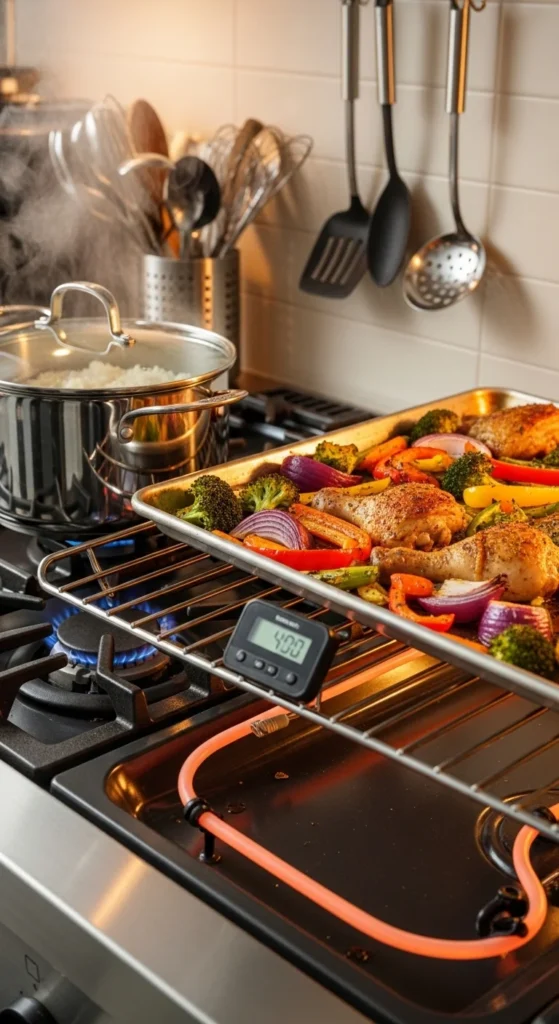
Cooking everything separately wastes time. The goal is to cook multiple components at the same time.
Use these methods together:
- Roast vegetables and protein on a sheet pan at the same time
- Cook grains like rice or pasta while roasting is happening
- Use a slow cooker or Instant Pot for hands-off meals like stews or shredded meat
For example, in one hour you can:
- Roast chicken and vegetables
- Cook rice
- Prepare a sauce
That gives you 3–4 different meal combinations instead of just one dish.
Choose Foods That Actually Reheat Well
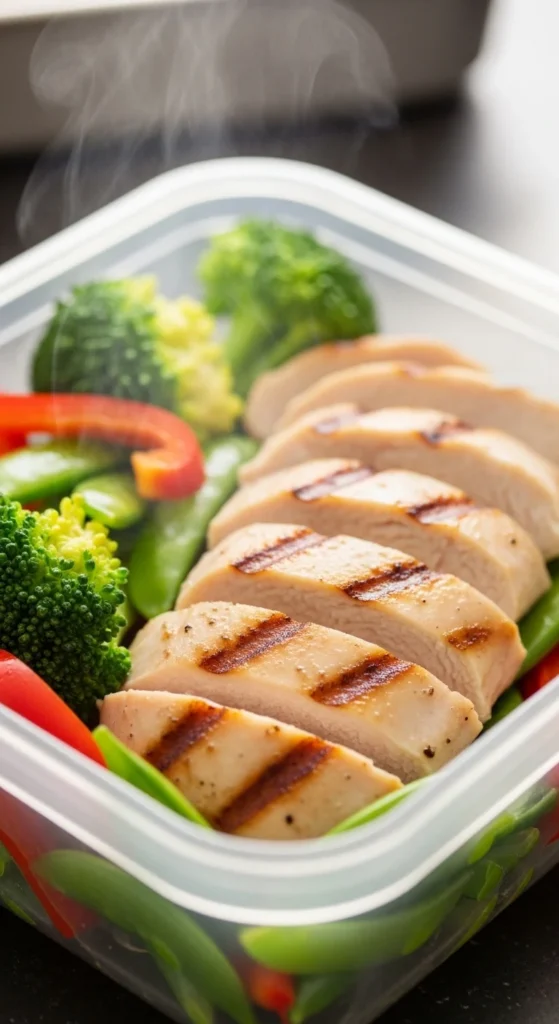
Not every food works for batch cooking. Some foods lose texture quickly and become soggy or dry.
Use foods that hold up well:
- Stews, curries, and lentils stay stable for days
- Rice and pasta work if stored properly
- Roasted vegetables reheat better than boiled ones
Avoid:
- Fried food, it turns soft
- Leafy greens mixed into meals, they wilt
- Overcooked vegetables, they become mushy after reheating
Slightly undercook vegetables so they stay firm when reheated.
Store Food the Right Way
Cooking is only half the process. Storage determines whether your food stays fresh or goes to waste.
Follow these basics:
- Let food cool slightly before storing, but don’t leave it out too long
- Use shallow containers so food cools evenly
- Label meals with date and content
- Store 3–4 days in the fridge, freeze the rest
If you are freezing:
- Store flat in bags or containers to save space
- Portion meals before freezing so you don’t defrost everything at once
This keeps your meals usable throughout the week instead of spoiling early.
Build Meals, Not Just Recipes
Batch cooking works best when you stop thinking in terms of full recipes and start thinking in components.
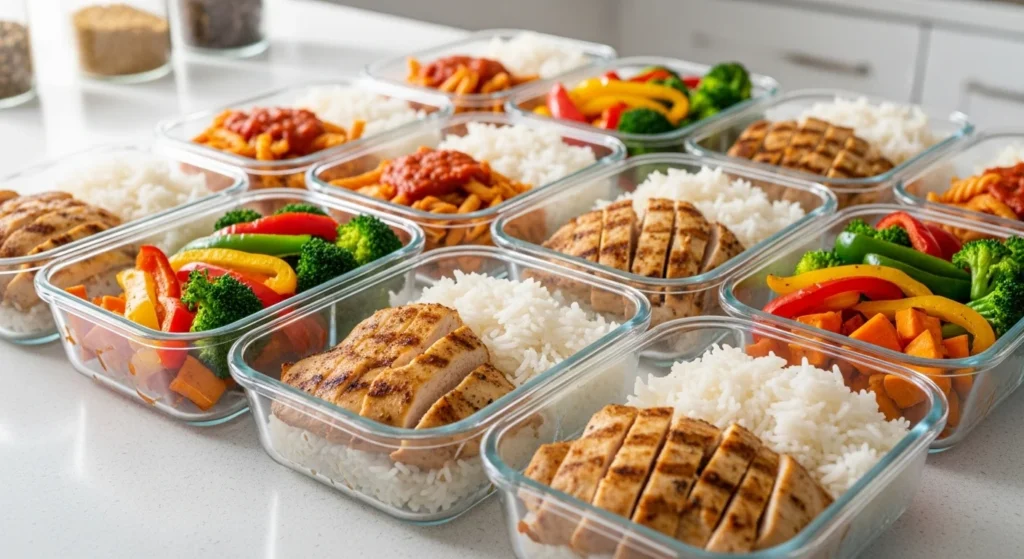
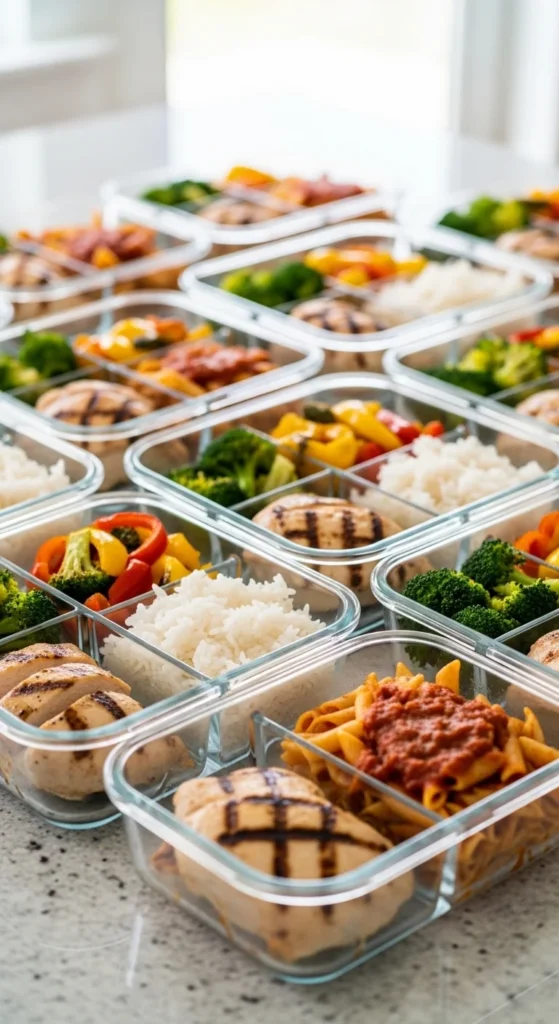
Instead of making 5 separate dishes, prepare the following:
- 1 protein
- 1–2 carbs like rice or potatoes
- 2 vegetables
- 1 sauce
Then combine them differently each day:
- Rice + chicken + vegetables
- Wrap with chicken and sauce
- Bowl with potatoes and roasted vegetables
This prevents boredom without increasing cooking time.
Common Problems In Batch Cooking And How To Fix Them
Batch cooking meals for the whole week often fails because of small mistakes in planning, cooking, or storage. Fixing these issues makes the entire system work smoothly.
Soggy
This usually happens when moisture builds up during storage or reheating. Let food cool slightly before sealing containers and avoid stacking hot food. Reheat without covering fully so steam can escape.
Repetitive
Cooking the same dish in bulk leads to boredom quickly. Instead of repeating meals, change sauces or sides using the same base ingredients so each meal feels different.
Meals Spoil
Storing everything in the fridge at once reduces shelf life. Keep only 3 to 4 days of meals in the fridge and freeze the rest immediately to maintain freshness.
Take Too Long To Prepare
Trying to cook everything separately wastes time. Cook multiple items together using the oven, stove, and pressure cooker at the same time to reduce total cooking time.
Meals Lose Texture
Overcooking during prep causes food to break down later. Slightly undercook vegetables and proteins so they finish cooking during reheating instead of becoming dry or mushy.
Make Batch Cooking Sustainable
Batch cooking should make your life easier, not feel like a weekly burden. Keep recipes simple and repeatable so you can maintain the routine.
Start small:
- Prepare meals for 2–3 days first
- Use ingredients you already cook regularly
- Avoid complicated recipes that take too much effort
Once the system feels easy, you can expand it for the full week.
Final Thoughts
Batch cooking works when you treat it like a system, not a one-time effort. When your meals are planned, cooked efficiently, and stored correctly, you remove daily stress without sacrificing food quality. The goal is not to cook more, but to make fewer decisions during the week while still eating properly.