Freezing meals is not just about storing leftovers. The way food is cooled, packed, and frozen directly affects how it tastes when reheated. If done incorrectly, meals lose texture, develop freezer burn, or taste bland even if they were cooked well.
The goal is to lock in flavor at the moment the food is at its best. That means controlling moisture, air exposure, and freezing speed so the food stays as close as possible to its original state when you eat it later.
Cool Food Before Freezing
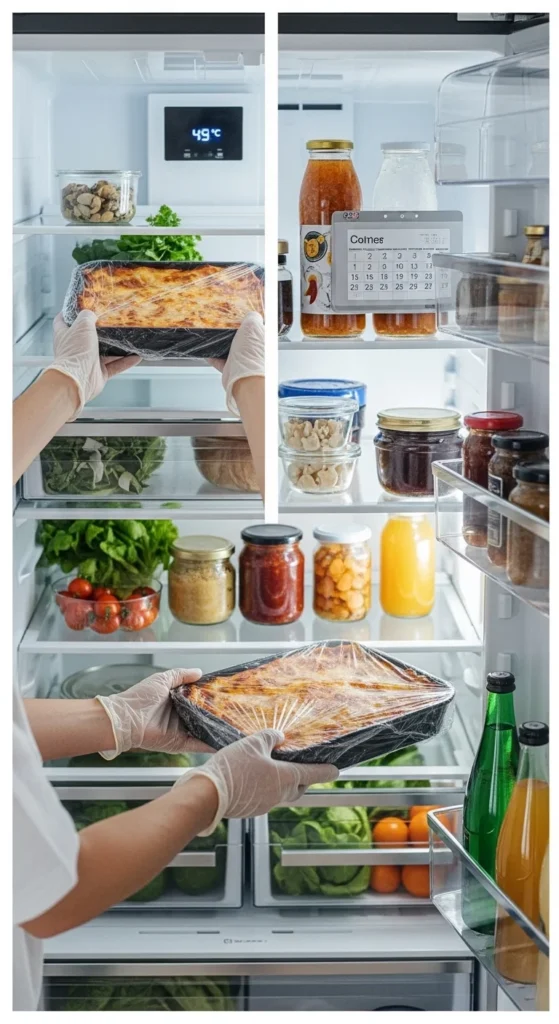
Freezing hot food creates condensation, which later turns into ice crystals and ruins texture. It also raises the freezer temperature, affecting other stored food.
Follow this process:
- Let food sit at room temperature for about 30 minutes
- Transfer to the fridge until it cools completely
- Freeze only when the food is no longer warm
This reduces moisture buildup and prevents freezer burn from forming early.
Use Proper Packaging To Lock Flavor
Air is the biggest reason frozen food loses flavor. The more air inside the packaging, the faster the food develops an off-taste and dryness.
Use:
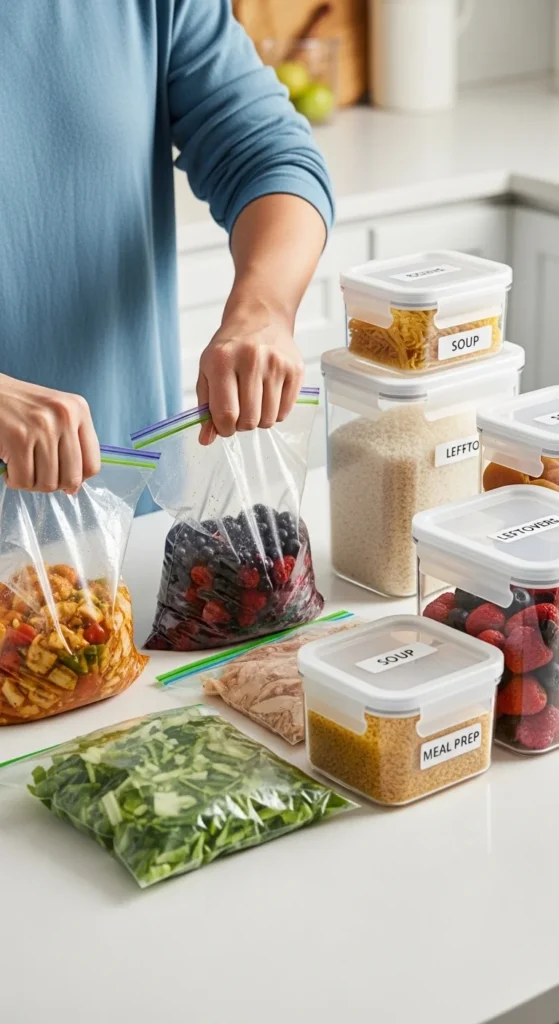
- Use airtight freezer bags and press out all air before sealing
- Double wrapping for meat to prevent exposure
- Containers with tight lids for liquids
For best results, tools like FoodSaver remove air completely and keep food fresh much longer than regular storage.
Freeze In Portions, Not Bulk
Freezing large portions forces you to reheat everything at once, which reduces quality and increases waste.
Instead:
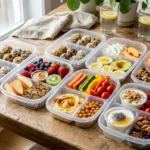
- Divide meals into single servings
- Use trays like Souper Cubes for soups or sauces
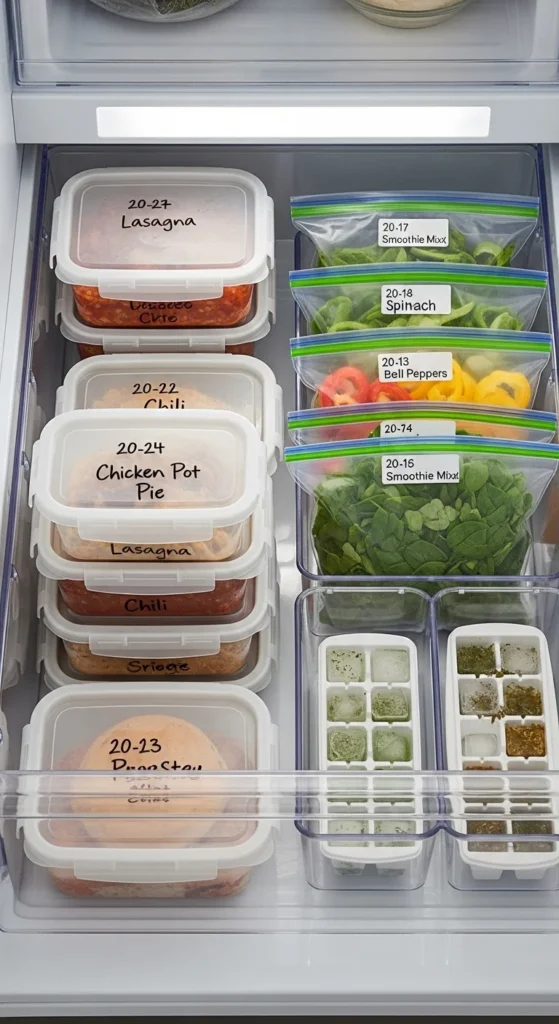
- Freeze flat in bags so they stack easily
Smaller portions freeze faster, which creates smaller ice crystals and keeps texture intact.
Prepare Food For Freezing Properly
Some foods need preparation before freezing to maintain flavor and texture.
Do this:
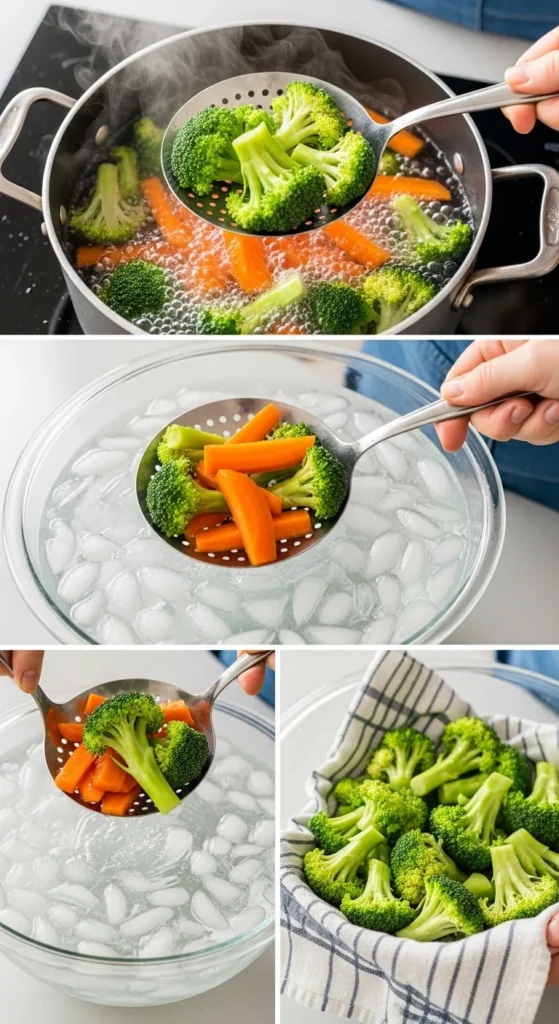
- Blanch vegetables briefly, then cool them quickly
- Slightly undercook meals so they don’t overcook when reheated
- Avoid freezing fully finished delicate dishes
Blanching stops enzymes that cause vegetables to lose color, texture, and taste over time.
Keep Freezer Conditions Stable
Temperature fluctuations damage frozen food even if it is packed correctly. Consistency matters more than just freezing once.
Maintain:
- Freezer temperature at 0°F or below
- Minimal door opening to avoid temperature shifts
- Organized storage so air can circulate
Stable freezing slows down flavor loss and keeps food safe for longer.
Thaw And Reheat Without Losing Quality
How you thaw food is just as important as how you freeze it. Fast or improper thawing damages texture and taste.
Follow this:
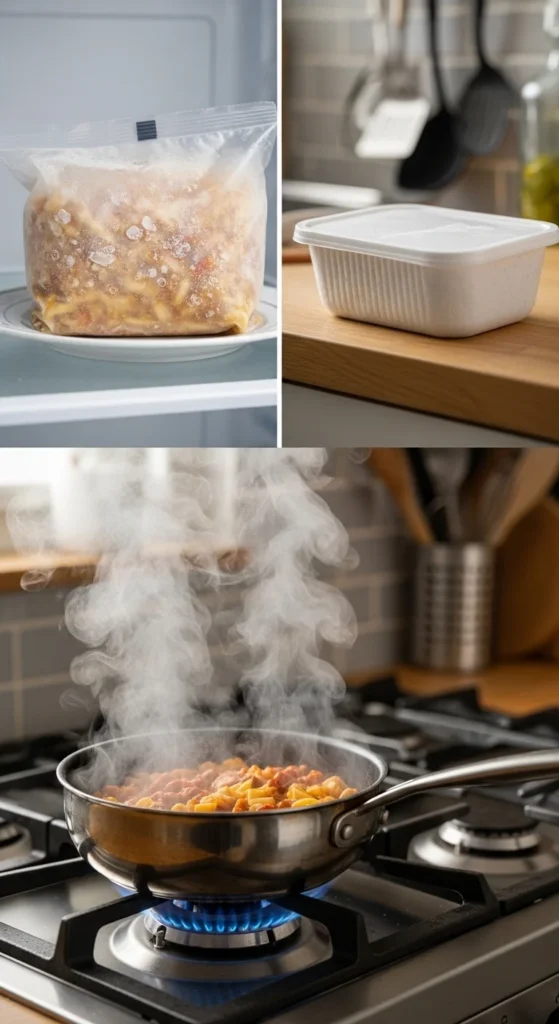
- Thaw meals in the fridge, not at room temperature
- Use within 3 to 4 days after thawing
- Reheat evenly until fully hot
Add fresh elements like herbs or lemon after reheating to restore flavor.
Common Problems In Freezing Meals Without Losing Flavor And How To Fix Them
Freezing meals without losing flavor often fails because of small mistakes in cooling, packaging, or reheating. Fixing these improves both taste and texture.
Freezer Burn Ruins Taste
This happens when air reaches the food surface and dries it out. Use airtight packaging or vacuum sealing and remove as much air as possible before freezing.
Meals Turn Mushy After Thawing
Excess moisture or overcooking before freezing causes this issue. Blanch vegetables and slightly undercook meals so they maintain structure after reheating.
Flavor Becomes Flat After Freezing
Freezing dulls seasoning over time. Season slightly stronger before freezing and add fresh herbs or sauces after reheating to restore taste.
Ice Crystals Damage Texture
Slow freezing creates large ice crystals that break down food structure. Freeze in small portions and spread food flat so it freezes quickly.
Food Spoils Before You Use It
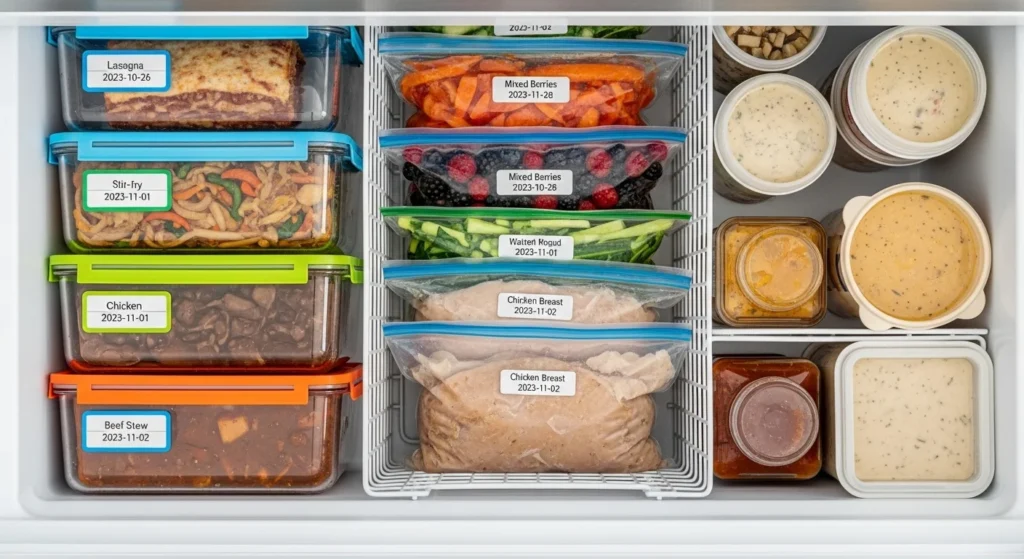
Improper storage or missing labels leads to waste. Always label meals with dates and use them within one to three months for best quality.
Final Thoughts
Freezing meals works best when you control each step instead of treating it as simple storage. When food is cooled properly, packed without air, and frozen quickly, it keeps its original taste and texture much longer. The difference comes from small details that protect flavor from the moment the food is cooked until the moment it is reheated.