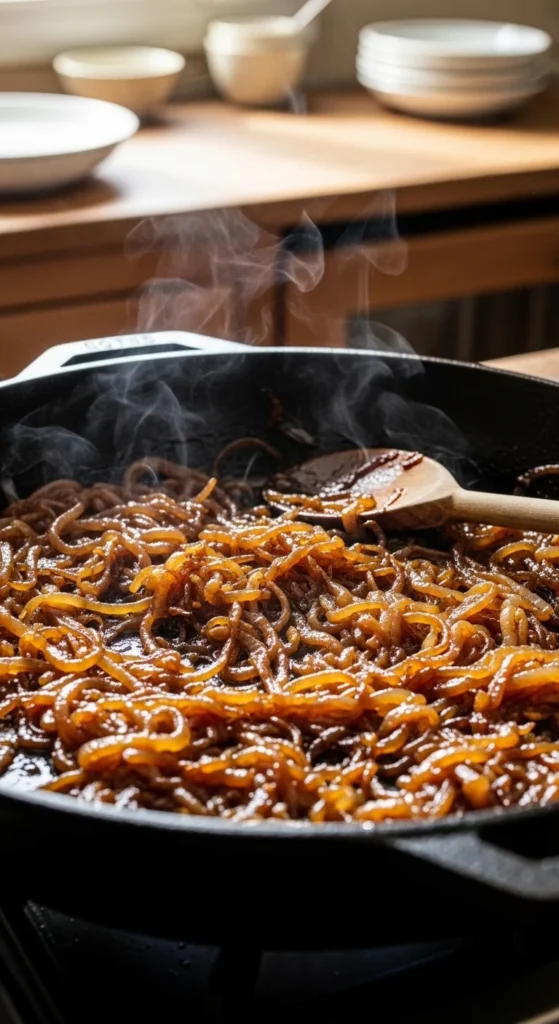
Caramelizing onions is not about rushing through a recipe. It is about controlling heat, managing moisture, and allowing natural sugars to slowly develop into deep flavor. When done correctly, onions transform from sharp and pungent into soft, jammy, and naturally sweet.
Most people struggle because they treat this like quick sautéing. That approach leads to burnt edges, uneven color, and bitterness instead of that rich golden finish. Once you understand timing, pan behavior, and visual cues, the process becomes predictable and repeatable.
What “Sweet And Golden” Really Means
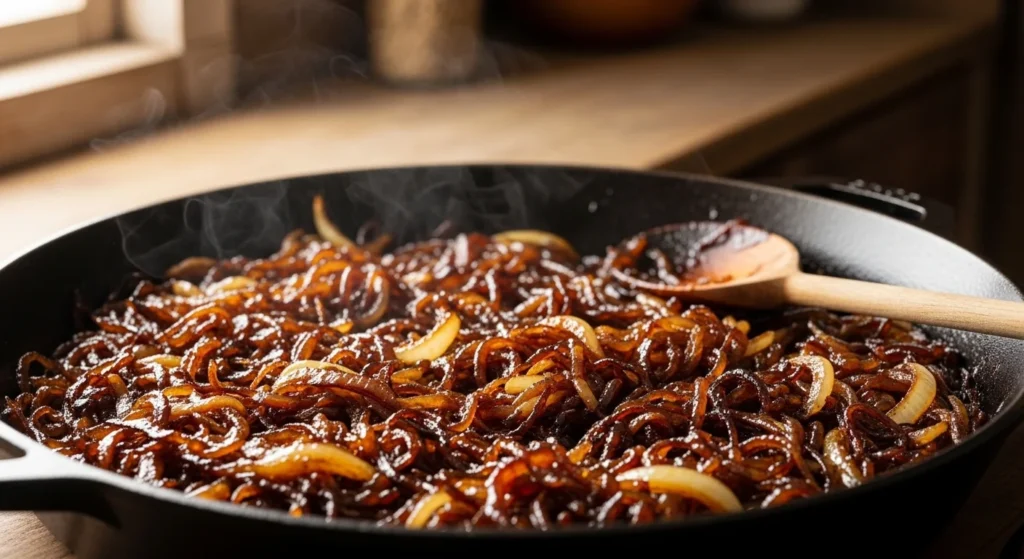
Sweet and golden onions are not just browned. They reach a stage where their natural sugars break down and coat each slice with a soft, glossy texture.
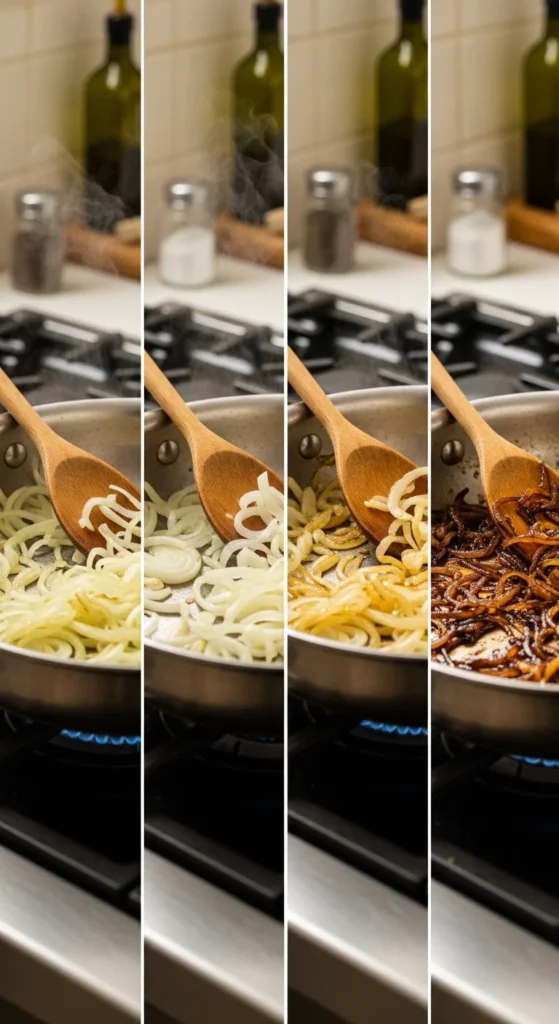
- The color should move from pale to light gold to deep golden brown
- The texture becomes soft and slightly sticky, not dry
- The flavor shifts from sharp to mellow and naturally rich
If your onions are dark too quickly, they are burning. If they stay pale, the heat is too low or the process is incomplete.
Step-by-Step Method For Sweet And Golden Caramelized Onions
Step 1: Slice The Onions Evenly
Cut onions into thin, uniform slices so they cook at the same speed. Uneven cuts lead to some pieces burning while others remain undercooked.
Step 2: Start With A Wide Pan And Fat
Use a wide pan so onions spread out instead of piling up. Add a mix of oil and butter or just oil if preferred, then place onions into the pan before it overheats.
Step 3: Add Salt Early
Sprinkle salt at the beginning to draw out moisture. This softens the onions and helps them cook down evenly instead of drying out.
Step 4: Cook Covered First
Keep the pan covered for the first 10–15 minutes. This traps steam and helps onions collapse and soften without browning too early.
Step 5: Uncover And Slow Down
Remove the lid and reduce heat to low. Now let the onions gradually develop color while stirring every few minutes to prevent sticking.
Step 6: Deglaze When Needed
If brown bits stick to the pan, add a small splash of water or broth and scrape gently. This builds flavor and prevents burning at the same time.
Step 7: Watch The Color, Not The Clock
The onions are ready when they reach a deep golden shade and look glossy. This usually takes 30 to 60 minutes depending on quantity and heat.
Choosing The Right Ingredients And Tools
Getting the right base makes a noticeable difference in both texture and flavor.
- Yellow onions work best because they balance sweetness and depth
- Butter adds richness while oil prevents burning
- A stainless steel or cast iron pan helps build flavor from the base
A crowded pan slows everything down and creates steam instead of caramelization. Always give onions enough surface area.
Slow Cooker And Crockpot Caramelized Onion Options
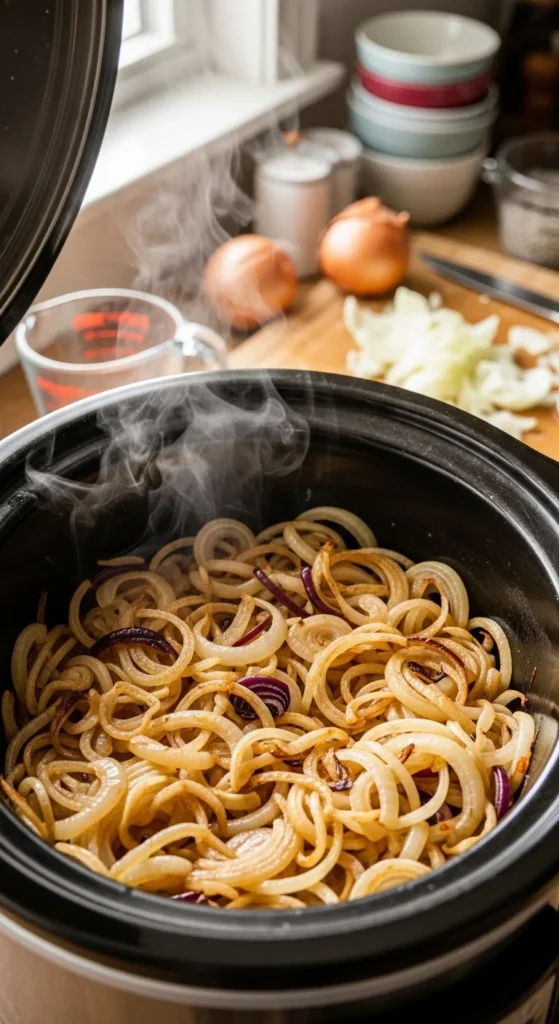
If you prefer a hands-off method, a crock-pot caramelized onion or slow-cooker caramelized onion approach works well for batch cooking. This method suits busy schedules and reduces the need for constant stirring.
- Slice onions and add them with a small amount of oil and salt
- Cook on low heat for several hours until they soften and darken gradually
- Stir occasionally if possible, but the process mostly runs on its own
This creates a softer texture compared to stovetop cooking, but it is ideal when preparing a homemade caramelized onion dish in large quantities for the week.
How Heat And Timing Control Flavor
Caramelizing onions is controlled by heat, not speed.
- Medium heat at the start softens the onions
- Low heat afterward builds sweetness gradually
- High heat creates bitterness instead of depth
If onions start sticking too fast, reduce heat and add a splash of liquid. If nothing is happening after several minutes, slightly increase the heat but stay controlled.
Common Mistakes When Caramelizing Onions Sweet And Golden
Here are the most common mistakes that stop onions from turning properly sweet and golden, along with how to fix them through better technique.
Using High Heat Too Early
Starting on high heat browns the outside before the inside softens. This leads to burnt edges and raw centers. Begin gently, then slow down once moisture releases.
Stirring Too Little Or Too Much
Ignoring the pan causes sticking and burning. Over-stirring prevents proper browning. Stir every few minutes so onions cook evenly without losing contact with the pan.
Overcrowding The Pan
Too many onions trap steam and prevent browning. Use a larger pan or cook in batches so heat can circulate properly.
Skipping Deglazing
Leaving browned bits stuck at the bottom leads to burning. Adding a small amount of liquid and scraping lifts flavor back into the onions.
Expecting Quick Results
Caramelization takes time. Trying to speed it up reduces sweetness and creates uneven color. Let the process develop gradually for proper results.
How To Adjust Flavor And Depth
Once onions are fully caramelized, small additions can enhance them further.
- A splash of broth deepens savory flavor
- A small amount of balsamic adds slight tang
- A pinch of sugar can boost sweetness if needed
These additions should be minimal. The main flavor should come from the onions themselves, not external ingredients.
Where To Use Sweet And Golden Caramelized Onions
Once prepared, they can transform simple dishes into something richer.
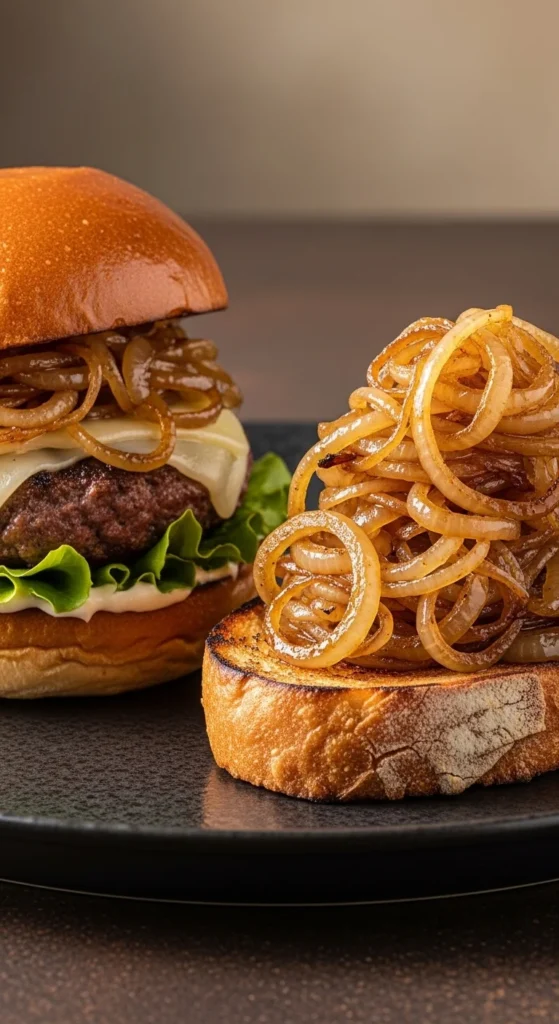
- Add them to burgers or sandwiches for depth
- Mix into pasta or rice for natural sweetness
- Use as a topping for toast or flatbreads
- Stir into soups or stews for a deeper base flavor
Because they are concentrated, even a small amount changes the entire dish.
Storage And Make-Ahead Tips
Caramelized onions are ideal for batch cooking.
- Store in the fridge for up to one week
- Freeze in small portions for easy use
- Reheat gently on low heat with a splash of water
Freezing in small portions helps avoid reheating large amounts repeatedly, which affects texture.
Final Thoughts
The difference between average and deeply flavorful onions comes down to how patiently the process is handled. When heat stays controlled and moisture is managed properly, the transformation happens gradually without forcing it.
Once you get used to reading the pan instead of relying on strict timing, the results stay consistent across different batches. That control is what allows you to repeat the same sweet, balanced outcome every time without guesswork.