Garlic burns because it cooks faster than everything else in the pan. If you treat it like onions or vegetables, it will turn bitter before the rest of the dish is ready.
The goal is simple. Control heat, control timing, and add garlic at the right moment. Once you follow that sequence, garlic stops burning and starts adding clean flavor to your food.
Step 1: Set The Heat Before Adding Garlic
Start with medium or medium-low heat, not high.
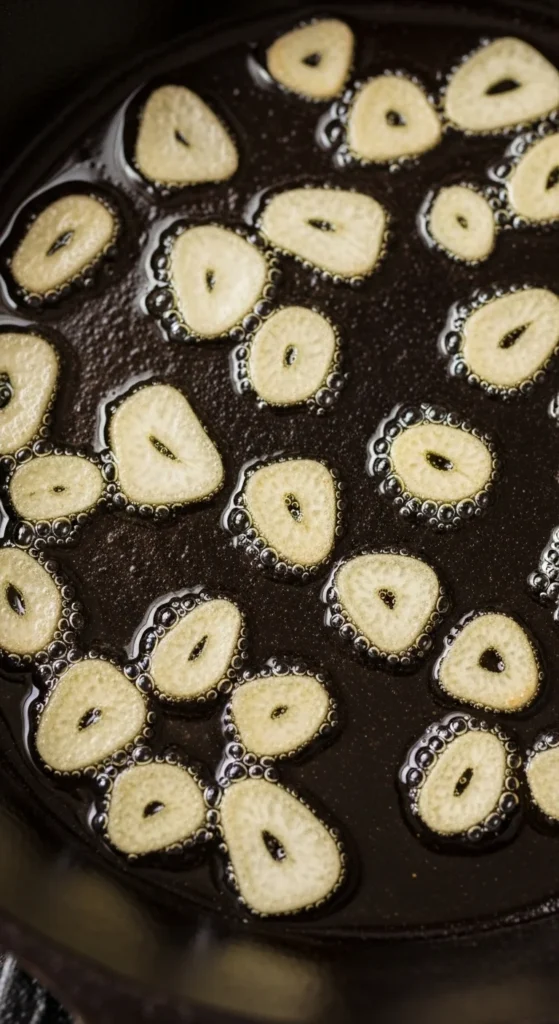
Add oil to the pan and let it warm gently. You are looking for light movement in the oil, not smoke. If the oil is too hot, garlic will burn in seconds.
If you are unsure, lower the heat slightly. Garlic cooks fast enough that you do not need high temperatures.
Step 2: Cut Garlic Based On Cooking Speed
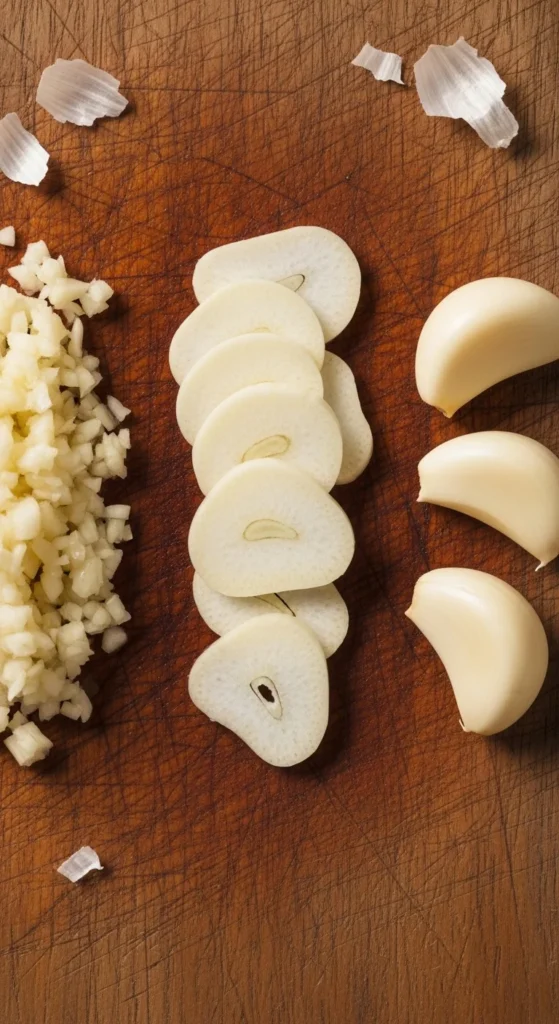
Different cuts cook at different speeds, and this directly affects burning.
- Minced garlic cooks in about 20 to 30 seconds
- Sliced garlic takes around 45 to 90 seconds
- Larger pieces take longer and are safer for beginners
If your garlic always burns, switch from minced to sliced. It gives you more control.
Step 3: Use The Cold Pan Method For Full Control
If you want a safer method, place garlic and oil in the pan before turning on the heat.
Then turn heat to medium and let both warm up together. This prevents sudden burning and helps garlic release flavor slowly.
This method is especially useful when you are not confident with timing yet.
Step 4: Stir Constantly Once It Starts Cooking
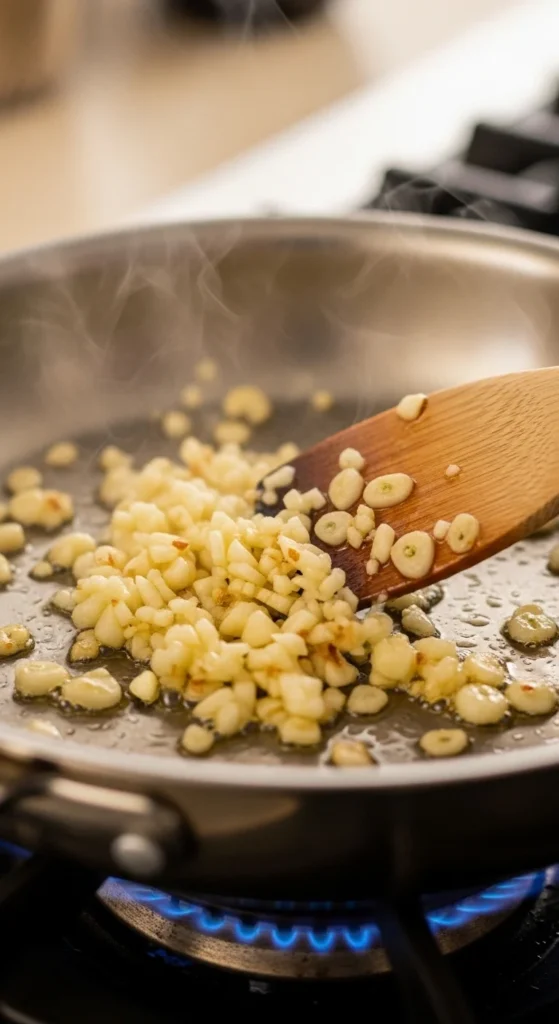
As soon as garlic begins to sizzle, you need to move it.
Do not leave it sitting in one spot. Stir or flip continuously so no piece stays in direct heat too long. This avoids hot spots that cause burning.
This step alone fixes most problems people face.
Step 5: Watch For The Exact Doneness Signal
Garlic does not need guessing. It gives clear signals.
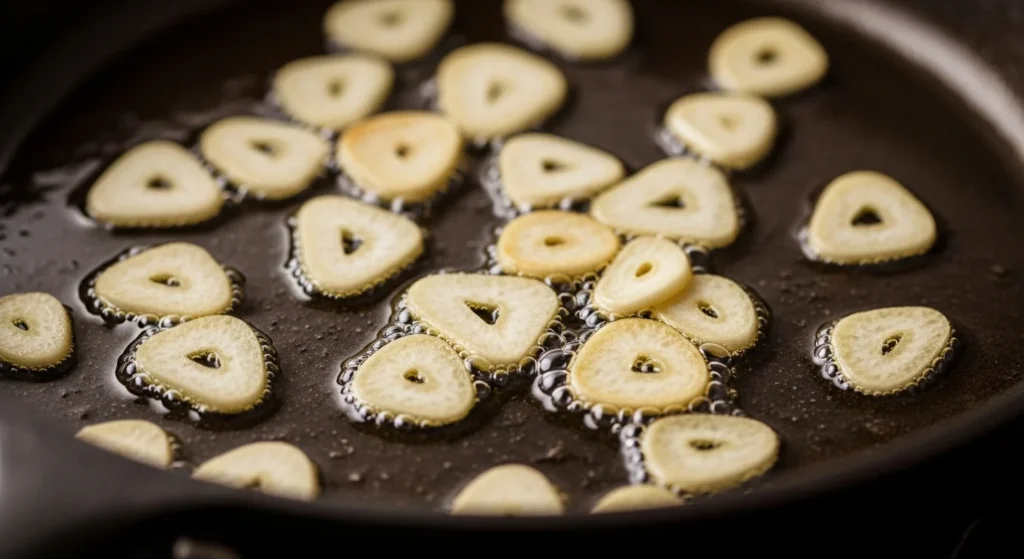
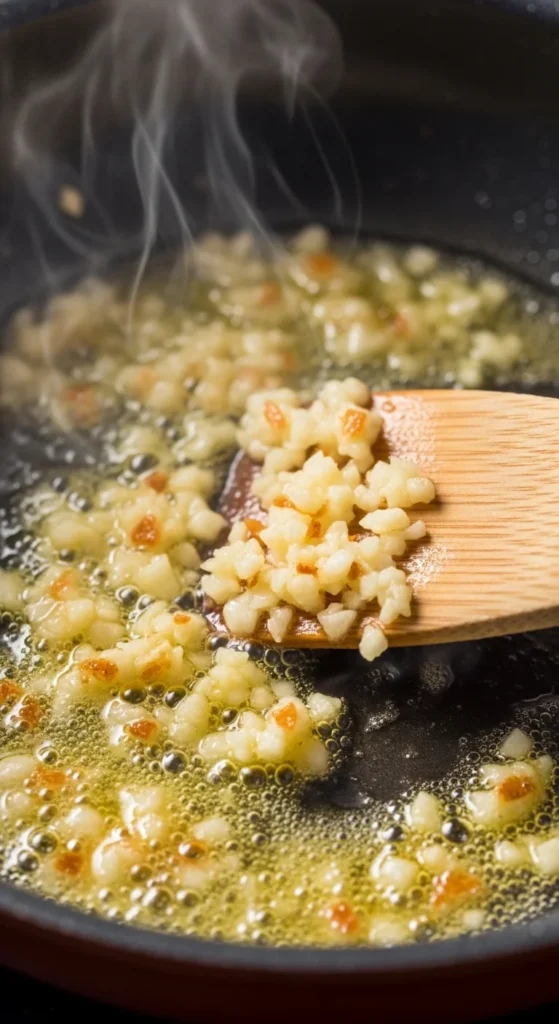
- Strong aroma appears
- Color changes to light golden
- Oil smells slightly sweet, not sharp
This is your moment to stop. If you wait for dark brown, it is already overcooked.
Step 6: Add Garlic At The Right Time In Recipes
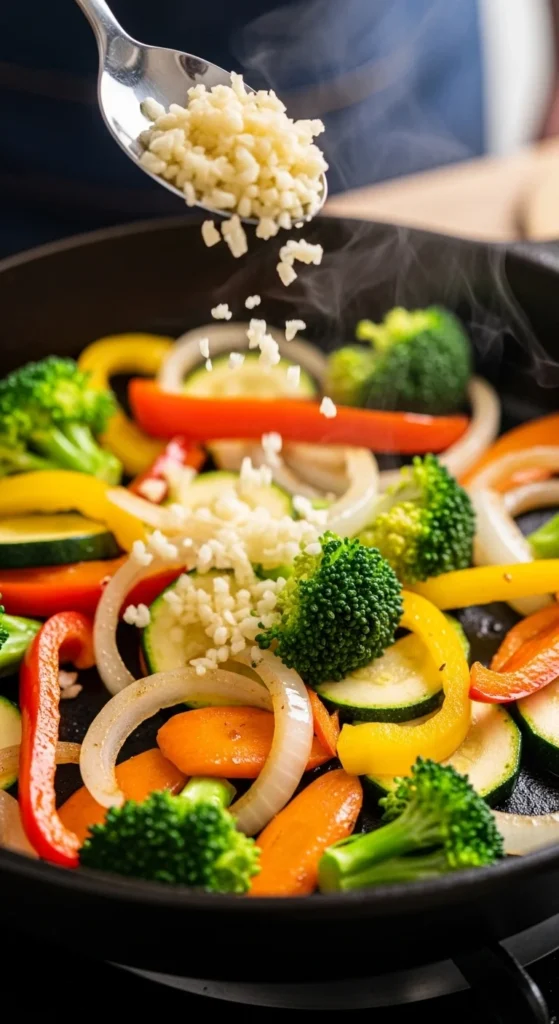
When cooking with other ingredients, garlic should go in at the end, not the beginning.
Cook your vegetables, meat, or base first. Then add garlic for the last 30 to 60 seconds. This prevents it from sitting in heat too long.
This is one of the most important adjustments for multi-ingredient cooking.
Step 7: Stop Cooking Immediately
Once garlic reaches a light golden stage, reduce heat or add liquid.
A small splash of water, broth, or sauce stops further cooking and protects the flavor. Garlic continues cooking in a hot pan even after you turn off heat, so this step matters.
How To Saute Garlic In Butter
When learning how to saute garlic in butter, the main thing to understand is that butter burns faster than oil.
Use lower heat and, ideally, combine butter with a small amount of oil. This stabilizes the fat and prevents quick burning. Add garlic only when the butter is melted and calm, not bubbling aggressively.
Cook briefly and remove from heat as soon as it turns fragrant and lightly golden.
Common Mistakes When Trying To Sauté Garlic Without Burning It
Here are the exact mistakes that cause garlic to burn and what actually fixes them in real cooking.
Using High Heat From The Start
High heat makes garlic go from raw to burnt before you can react. Keeping heat moderate gives you time to control the process.
Leaving Garlic Still In The Pan
When garlic is not stirred, certain pieces stay in one place and burn faster. Moving it constantly spreads the heat evenly and prevents dark spots.
Adding Garlic Too Early With Other Ingredients
Garlic cooks in seconds, while vegetables and meat take minutes. If added early, it overcooks before the dish is ready. Adding it last keeps timing correct.
Cutting Garlic Too Small Without Adjusting Heat
Minced garlic cooks extremely fast. If you use it, you must lower the heat slightly and shorten cooking time. Otherwise, it burns quickly.
Walking Away During Cooking
Garlic cannot be left unattended. Even a short distraction can push it past the safe cooking stage.
Using Only Butter On Higher Heat
Butter alone burns quickly and takes garlic with it. Mixing it with oil or lowering heat solves this problem.
A Simple Working Formula
If you want a repeatable method, follow this every time:
- Medium heat
- Oil first, not too hot
- Garlic added at correct stage
- Constant movement
- Stop at light golden
This is enough to get consistent results without overthinking.
Final Thoughts
Garlic only feels difficult because the margin for error is small. Once you understand how quickly it cooks and adjust your timing, it becomes one of the easiest steps in any recipe.
After a few tries, you will start recognizing the exact moment it is ready without needing timers or guesses. That is when cooking garlic becomes natural instead of stressful.