Most homemade salad dressings fail because the proportions are off or the mixing is rushed. That is why they taste too sharp, separate quickly, or feel flat even when the ingredients are good.
A quick dressing only needs a few ingredients, but each one has to be added and adjusted correctly. This guide shows exactly how to mix, taste, and fix it so the result is usable immediately, making it easy to prepare simple DIY salad dressings at home without relying on bottled options.
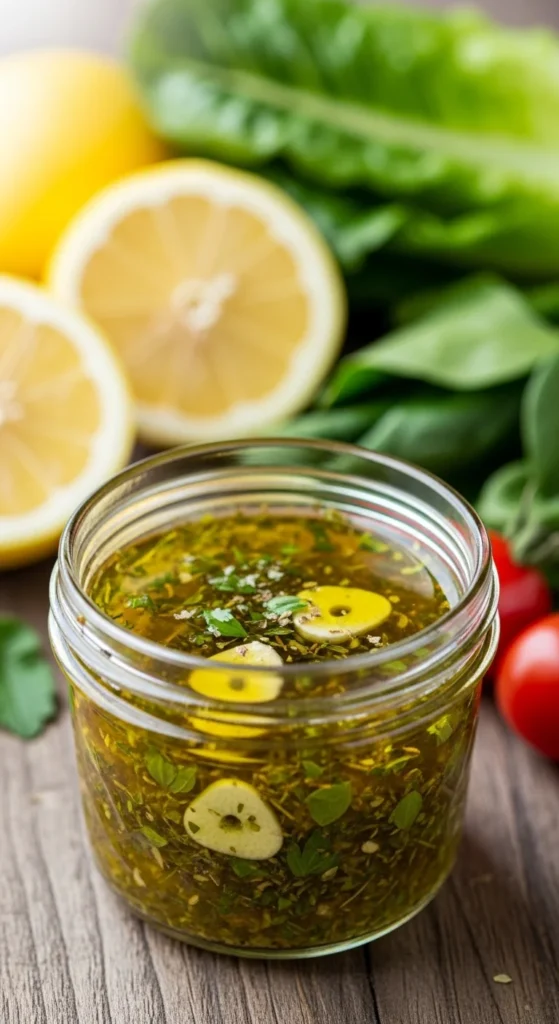
The 3:1 Ratio For Homemade Salad Dressing
Start here because this controls everything and forms the base of most basic salad dressing recipes.
- 3 tablespoons oil
- 1 tablespoon acid
Use a spoon and measure once. Pour into a jar. Now taste a drop on a spoon:
- If it hits too sharply at the back of your tongue, add 1 more teaspoon oil
- If it feels flat or heavy, add 1 teaspoon acid
Do this before adding anything else. If the base is wrong, no ingredient will fix it later.
Fast Jar Method For Mixing Salad Dressing
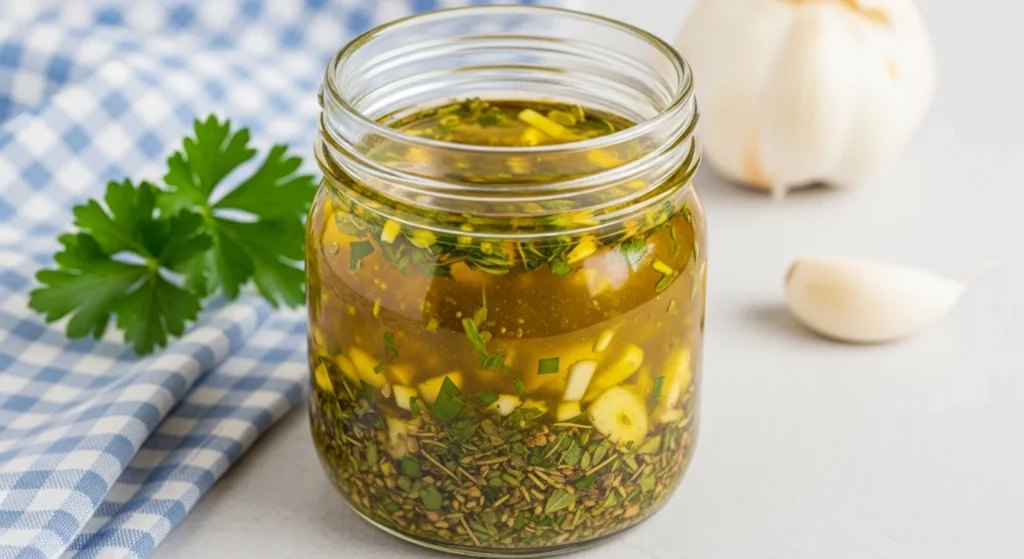
Add In This Exact Order
- Oil
- Acid
- Mustard
- Salt
- Honey
- Garlic or herbs
This order matters because mustard and honey dissolve better in liquid, not in oil alone.
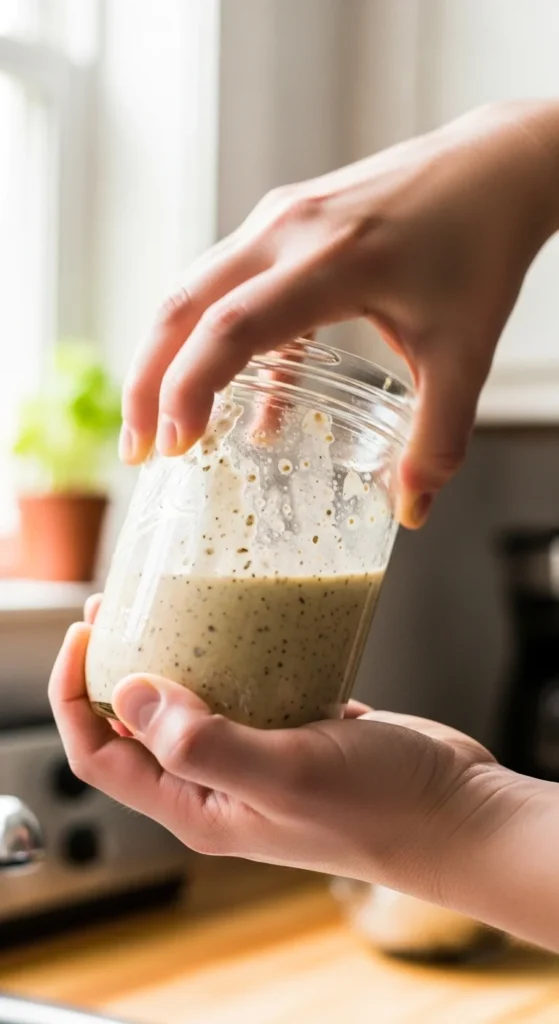
Shake Properly. Close the jar and shake hard for 15–20 seconds.
Check the texture:
- It should look slightly cloudy, not separated
- Oil should not sit clearly on top
If it separates immediately, add a small amount of mustard and shake again. This simple method is what makes quick oil-based salad dressing recipes so reliable.
How To Make Salad Dressing Taste Balanced In Real Time
Do not guess. Taste and adjust using this sequence.
Step 1: Check Salt First
Dip a lettuce leaf or spoon and taste.
If it tastes dull, add a pinch of salt and mix again. Salt is often missing, not flavor.
Step 2: Fix Sharpness
If the dressing feels too acidic:
- Add 1 teaspoon oil
- Or add a small drop of honey
Mix and taste again.
Step 3: Fix Flat Taste
If it feels smooth but boring:
- Add minced garlic or shallot
- Or add a small amount of mustard
This builds depth without changing the ratio too much.
Step 4: Let It Sit Briefly
Wait 1–2 minutes, then taste again. Garlic and mustard take a moment to spread through the dressing.
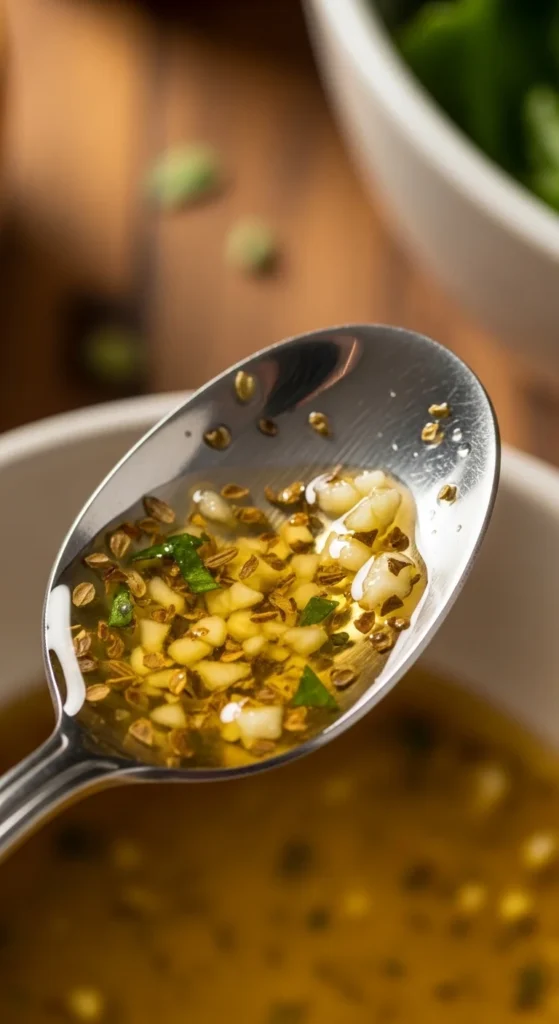
Ingredients That Improve Homemade Salad Dressing
Oil Choice
Extra virgin olive oil gives a slightly rich and fruity taste. If you want a lighter dressing, mix half olive oil with a neutral oil. This is why many oil salad dressing recipes rely on olive oil as a base.
Acid Choice
Lemon juice gives a fresh, light result
Vinegar gives a sharper and deeper taste
Use lemon for green salads and vinegar for heavier dishes like grains or roasted vegetables.
Mustard Use
Dijon mustard helps the dressing stay mixed longer and adds a mild sharpness. Even a small amount changes both texture and taste.
Why Dressing Separates And How To Fix It Quickly
Separation happens when oil and acid are not held together.
To fix it immediately:
- Add ½ teaspoon mustard
- Shake again for 15 seconds
If it separates after refrigeration:
- Leave it at room temperature for a few minutes
- Shake again before using
Cold oil thickens, which makes it look split even when it is fine.
Practical Variations You Can Make From One Base Dressing
Start with the same 3:1 base, then adjust like this to create different styles of DIY salad dressings and even light salad sauces depending on what you add:
- For Asian-style: add soy sauce and a few drops of sesame oil
- For creamy dressing: mix in 1 tablespoon yogurt or buttermilk
- For herb dressing: add chopped parsley, oregano, or basil
- For deeper flavor: replace acid with balsamic vinegar
Each version uses the same method; only the flavor direction changes.
How To Store And Reuse Homemade Salad Dressing
- Store in a sealed jar in the refrigerator
- Use within 4 to 7 days
- Shake before every use
If the oil thickens:
- Let it sit out for 3–5 minutes
- Shake again until smooth
How To Use Homemade Salad Dressing Properly
Do not pour it directly on dry ingredients.
- Toss greens first, then add dressing gradually
- Start with a small amount, mix, then add more if needed
- Use it on roasted vegetables while they are still slightly warm so it absorbs better
- Use as a light marinade for chicken or vegetables before cooking
Using too much at once makes the salad heavy instead of balanced, which is why even simple salad sauces should be added gradually.
Final Thoughts
A reliable salad dressing comes from measuring correctly, mixing in the right order, and adjusting after tasting. Small changes during the process make a bigger difference than adding more ingredients.
When you follow these steps, the result is consistent, quick to prepare, and easy to adapt depending on what you are serving.