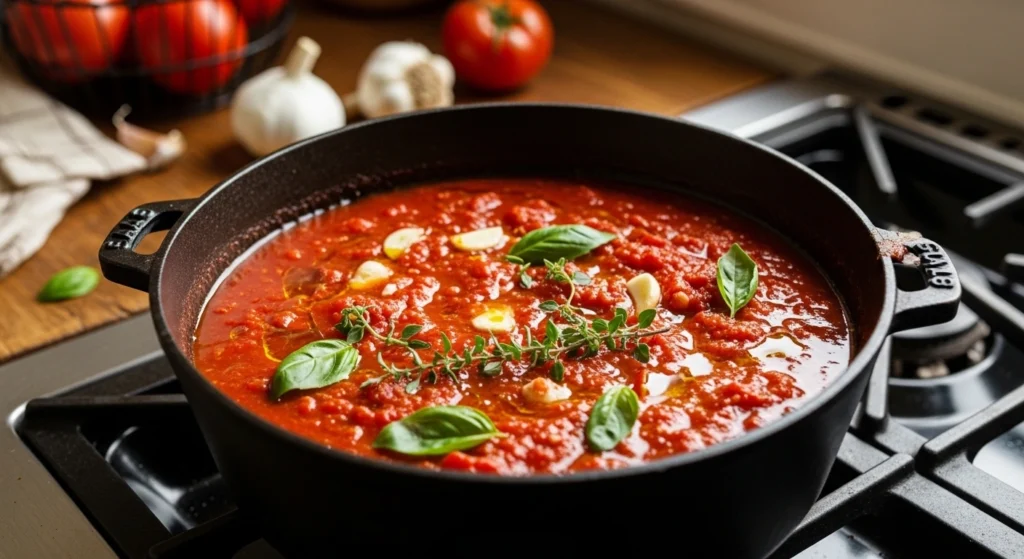
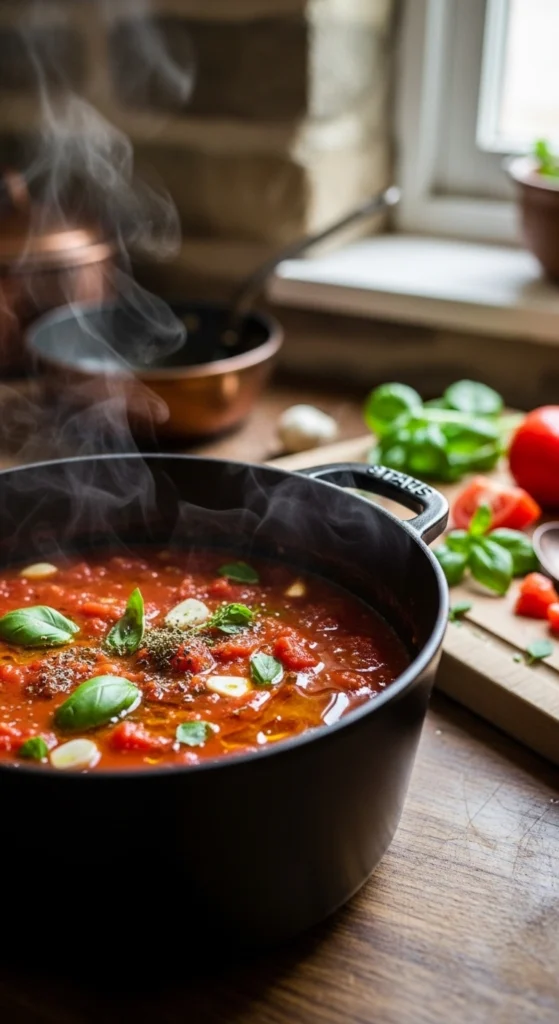
Homemade tomato sauce stands out because it builds flavor slowly instead of relying on preservatives or added sugar. When done correctly, it has natural sweetness, balanced acidity, and a deep texture that store-bought versions cannot match. The process is simple, but the details matter.
Choose the Right Tomatoes
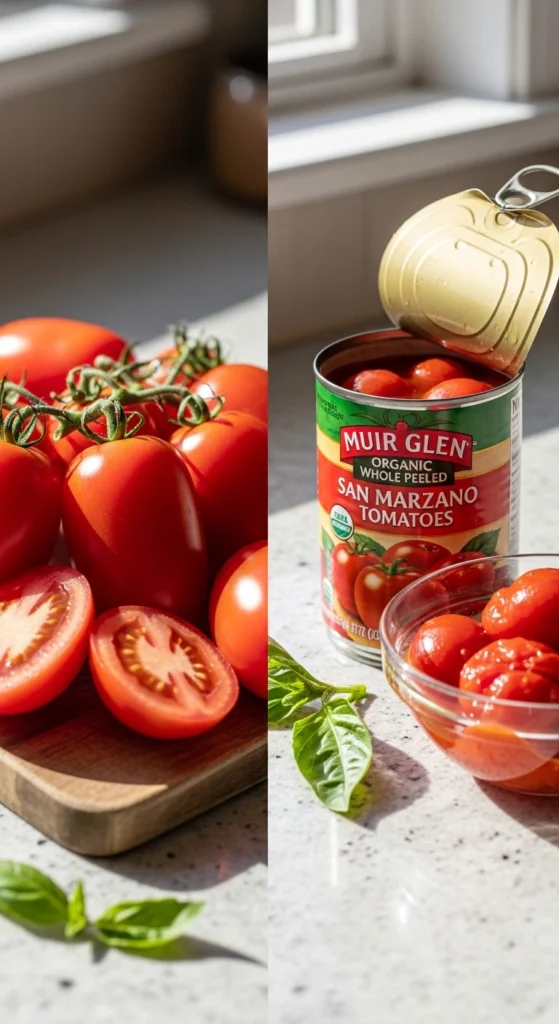
The type of tomato directly affects sweetness, texture, and overall flavor.
Roma or plum tomatoes work best because they have less water and more flesh. This creates a thicker sauce without extra cooking.
If fresh tomatoes are not in season, canned San Marzano tomatoes are the most reliable option. They have balanced acidity and a naturally rich taste.
Avoid diced canned tomatoes because they are processed to hold shape and do not break down properly during cooking.
Prep Tomatoes Properly
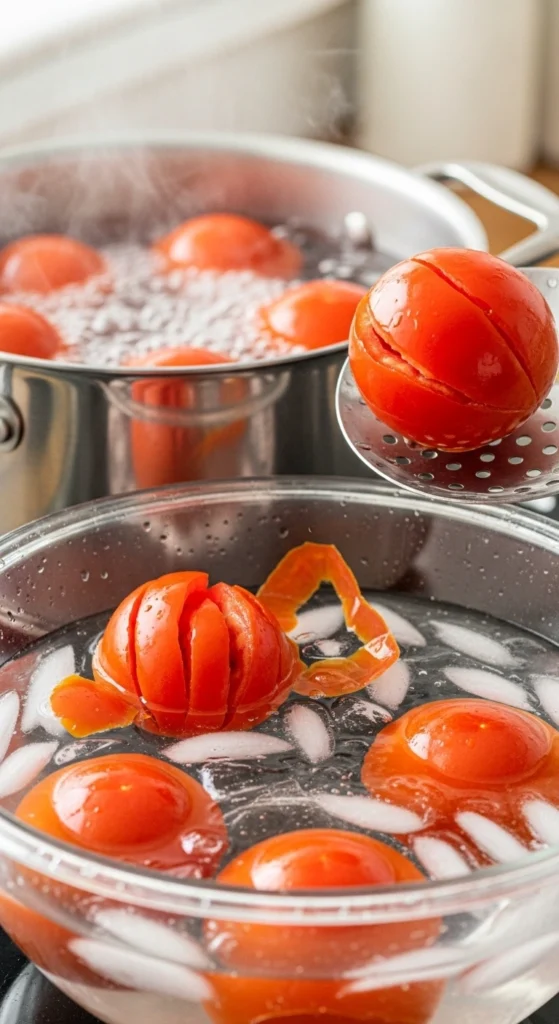
Proper preparation prevents bitterness and improves texture.
Blanch tomatoes briefly and remove the skins to avoid a harsh taste in the final sauce.
Another option is grating tomatoes using a box grater. This removes skins automatically and gives a smooth base without extra effort.
Removing excess seeds also helps create a cleaner flavor and better consistency.
Build the Flavor Base
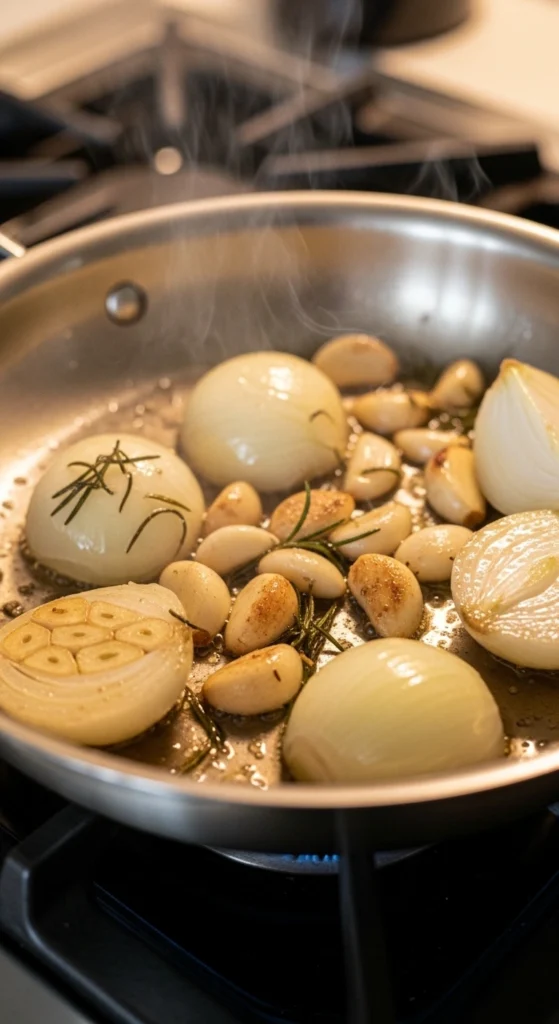
Start With Oil and Garlic
Heat olive oil on medium and cook garlic for about 30 seconds. This releases aroma without burning it.
Burnt garlic creates bitterness that affects the entire sauce.
Add Onion for Depth
Instead of chopping, use onion halves and let them simmer in the sauce. This adds sweetness and depth without extra prep.
The onion can be removed later once the flavor is infused.
Optional Flavor Boost
A small amount of tomato paste cooked briefly in oil deepens the flavor and adds richness.
Simmer Low and Slow
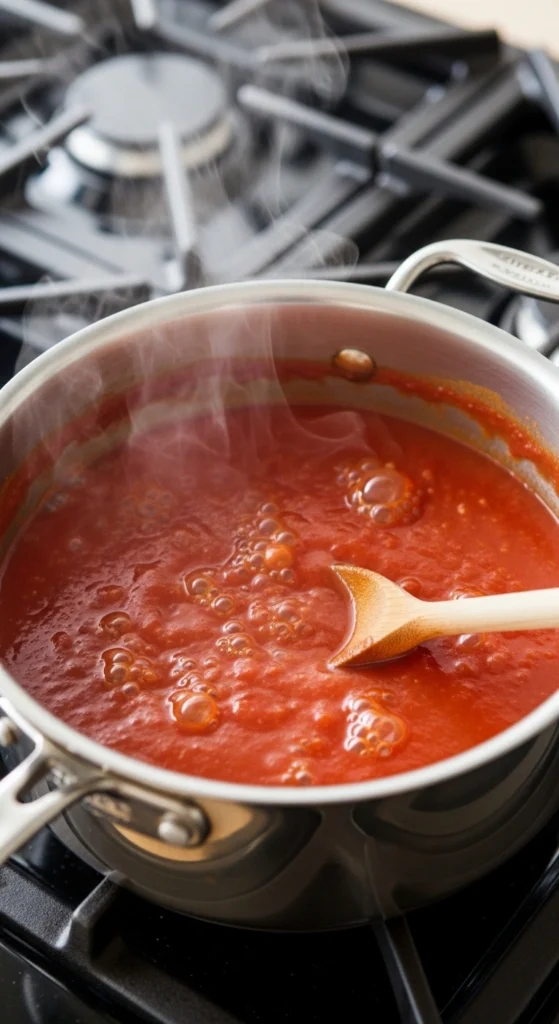
This step defines the final texture and flavor.
Let the sauce simmer uncovered so excess water evaporates naturally.
Cooking time can range from 45 minutes to 2 hours depending on how thick and rich you want it.
Longer simmering develops a deeper flavor and smoother consistency.
Stir occasionally to prevent sticking and ensure even cooking.
Balance the Flavor
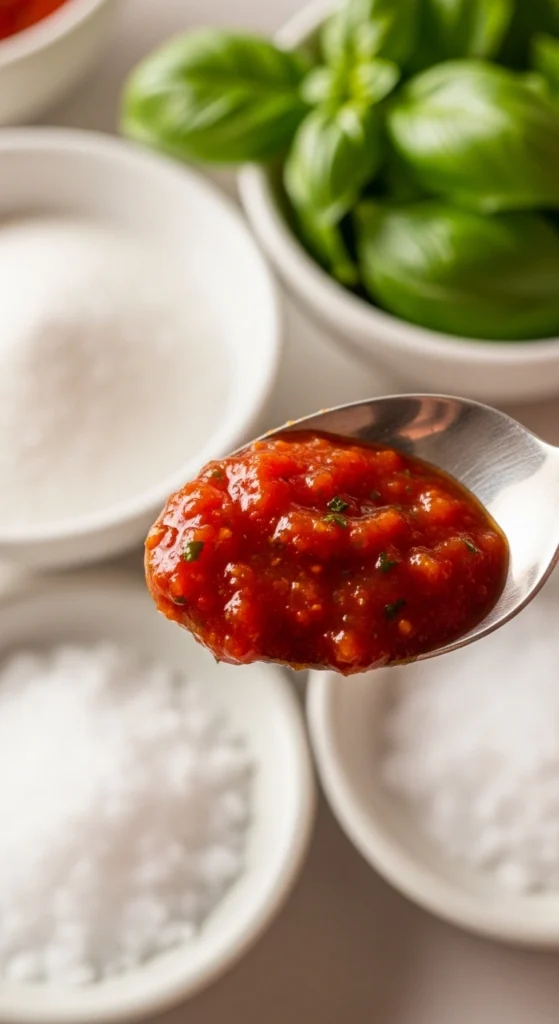
Tomato sauce needs balance, not just cooking.
Add a small amount of sugar if the sauce tastes too acidic.
Salt enhances the natural tomato flavor and should be adjusted gradually.
A small splash of balsamic vinegar can add depth without overpowering the sauce.
Red pepper flakes can be added for mild heat if preferred.
Add Fresh Basil at the End
Fresh basil should be added at the end to keep its aroma and color intact.
Cooking it too long reduces its freshness.
Adjust the Texture
Use a potato masher for a chunky texture or blend the sauce for a smooth finish.
An immersion blender gives better control without transferring the sauce.
Small Techniques That Make a Big Difference
These details improve both flavor and consistency
Use a mix of olive oil and a small amount of butter for a richer mouthfeel
Add a parmesan rind while simmering for extra depth, then remove it before serving
Stir occasionally but do not overmix, let the sauce reduce naturally
Taste the sauce multiple times during cooking and adjust gradually
These small adjustments separate average sauce from a well-balanced one
Common Problems and How to Fix Them
Watery Sauce
This happens when the sauce has not been reduced enough. Let it simmer uncovered longer so excess moisture evaporates and the texture thickens naturally.
Too Acidic
Tomatoes can sometimes taste sharp. Adding a small amount of sugar or letting the sauce cook longer helps balance the acidity.
Flat or Bland Flavor
This usually comes from under-seasoning or skipping key steps. Proper salt levels, sautéed garlic, and slow simmering build depth over time.
Bitter Taste
Bitterness often comes from burnt garlic or tomato skins. Cooking garlic gently and removing skins beforehand prevents this issue.
Too Thick
If the sauce becomes overly thick, add a small amount of water or broth and stir gently until the desired consistency returns.
Final Thoughts
Once you understand how flavor builds step by step, tomato sauce stops being a recipe and becomes a process you can control.
It is one of those basics that changes how everything else tastes, from simple pasta to full meals.
And once you get it right, going back to store-bought no longer feels like an option.