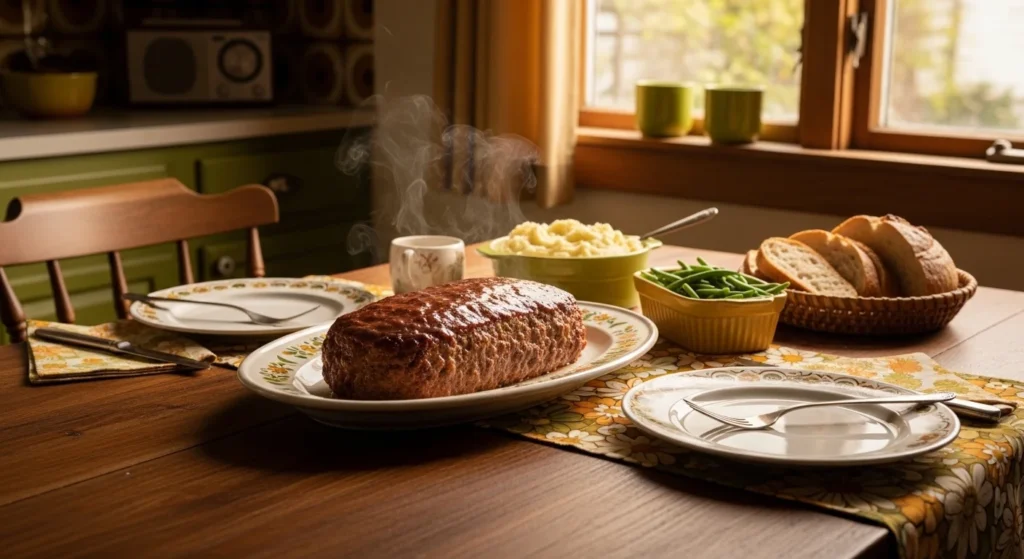
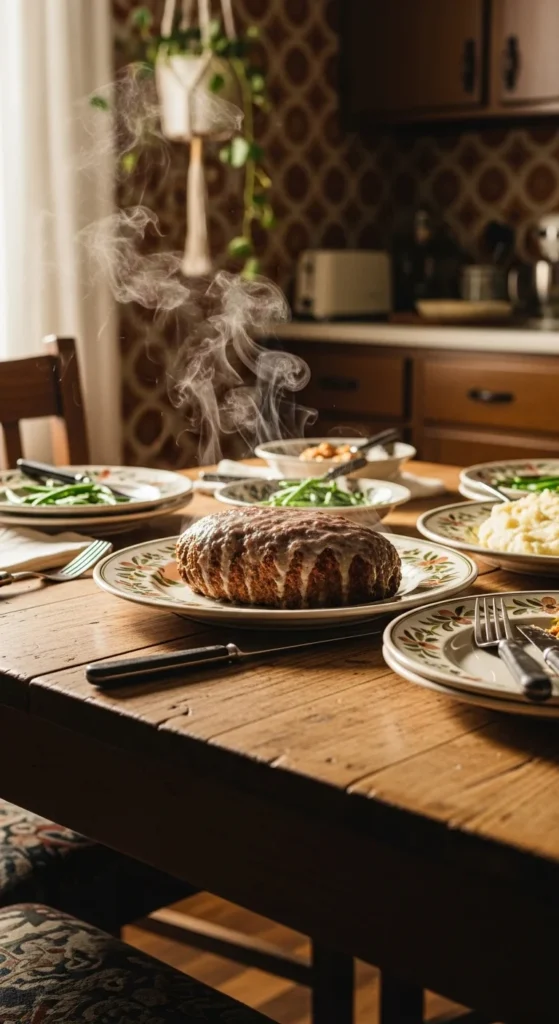
Old-style meatloaf works because it focuses on balance instead of complexity. The structure comes from how the ingredients are combined, not from adding more ingredients. When the mixture holds moisture properly and is shaped with care, it cooks evenly and slices without breaking.
What made older recipes reliable was consistency in method. Ingredients were simple, but each step had a purpose, from soaking the binder to resting after baking. Once you follow that same sequence, the result becomes predictable instead of hit or miss.
Build A Proper Base Before Adding Meat
Dry mixtures lead to dry results. The foundation should be soft and hydrated before the meat goes in.
Start with:
- Breadcrumbs or oats combined with milk
- Finely chopped onion prepared in advance
- Seasonings mixed evenly into this base
Let this sit for a few minutes so the liquid is absorbed. This step spreads moisture across the entire mixture instead of leaving dry pockets.
Add Meat Last And Keep It Loose
Once the base is ready, add ground beef and combine gently. The goal is to bring everything together without compressing it.
Use your hands and stop as soon as the mixture holds shape. If it feels tight or packed, it has already been overworked. A slightly loose texture before shaping leads to a softer result after baking.
Shape For Even Cooking
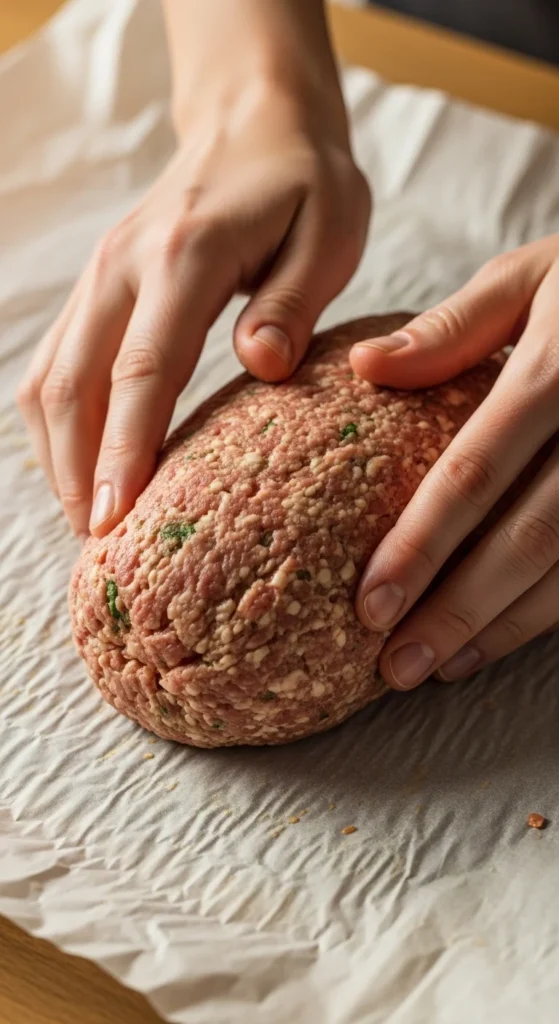
The way it is shaped controls how heat moves through it. Thick centers and thin edges cook at different speeds, which creates dry spots.
Keep the loaf:
- Even in thickness from end to end
- Smooth on the outside without pressing too hard
- Slightly rounded instead of flat
You can use a pan for structure or shape it freely for better browning. Both work, but consistency in thickness matters more than the method.
Cook At Steady Heat And Watch The Center
Oven temperature should stay moderate so the inside cooks before the outside dries out. A steady 350°F works better than pushing higher heat.
Instead of relying only on time:
- Check the center using a thermometer
- Remove it once it reaches a safe internal level
- Avoid waiting until the outside looks fully done
This prevents overcooking, which is the main reason meatloaf turns dry.
Apply Glaze In Layers Instead Of Once
Adding all the glaze at the start causes burning or uneven coating. Building it in stages creates better flavor and texture.
Use this approach:
- Spread a thin layer before baking
- Add another layer midway
- Finish with a final coat near the end
This creates a slightly sticky surface without making it overly sweet or burnt.
Let It Sit Before Cutting
Heat keeps the structure loose right after baking. Cutting too early releases moisture and breaks the shape.
Leave it untouched for at least 10 minutes. During this time, the juices settle and the structure firms up, making clean slices possible.
Common Problems And How To Fix Them
These issues usually come from handling, not ingredients. Small adjustments fix most results immediately.
Dry texture after baking
Lack of moisture in the base or excessive mixing causes this. Prepare the binder with milk first and combine everything gently so the mixture stays soft.
Slices break apart
Weak structure or early cutting leads to this problem. Use enough binding ingredients and allow resting time before slicing so it holds together.
Flat or dull taste
Insufficient seasoning or missing glaze layers reduces depth. Season the mixture properly and build flavor through layered topping instead of a single coat.
Outer layer cooks too fast
High heat or uneven shaping causes this. Keep the oven temperature steady and maintain uniform thickness to avoid overcooking the edges.
Heavy and compact result
Too much handling compresses the mixture. Stop mixing early and avoid pressing while shaping so the texture stays light.
What To Serve Alongside
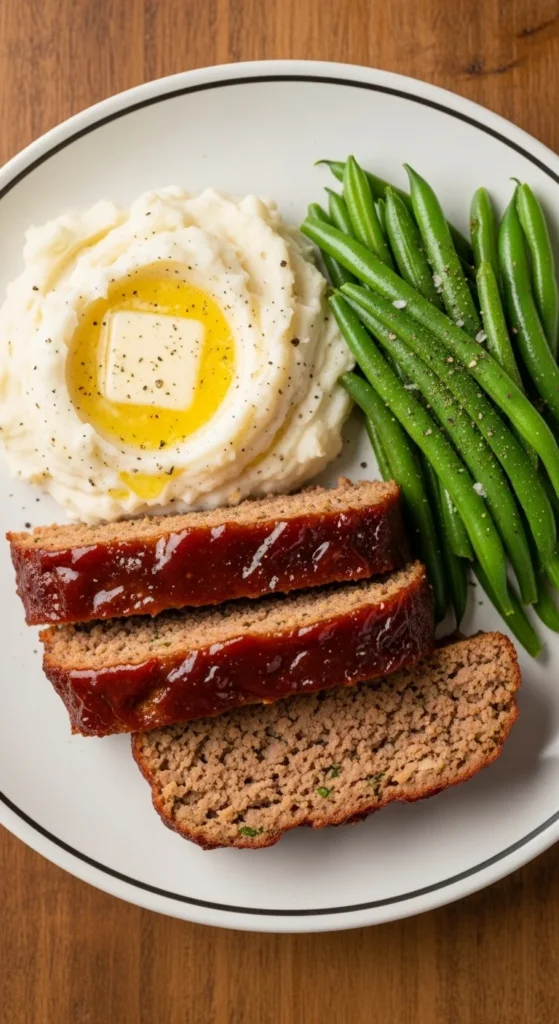
Traditional sides balance the richness without complicating the meal.
You can pair it with:
- Mashed potatoes for softness
- Green vegetables for contrast
- Simple bread for a complete plate
Final Thoughts
This dish becomes reliable when each step is done with intention instead of habit. The texture depends on how the mixture is handled, and the flavor depends on when and how elements are added during cooking. Once those details are controlled, the outcome stays consistent without needing adjustments every time.